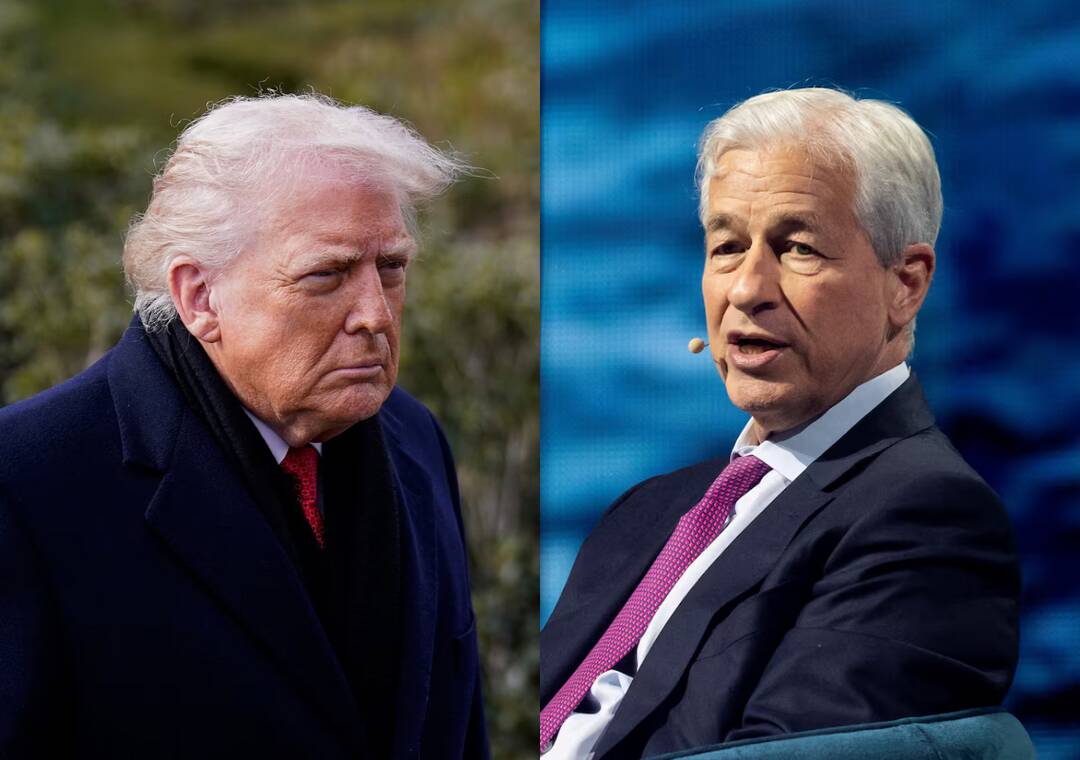
Trump Sues US’ Largest Bank JPMorgan, its CEO for ₹45,800 Crore for ‘Debanking’
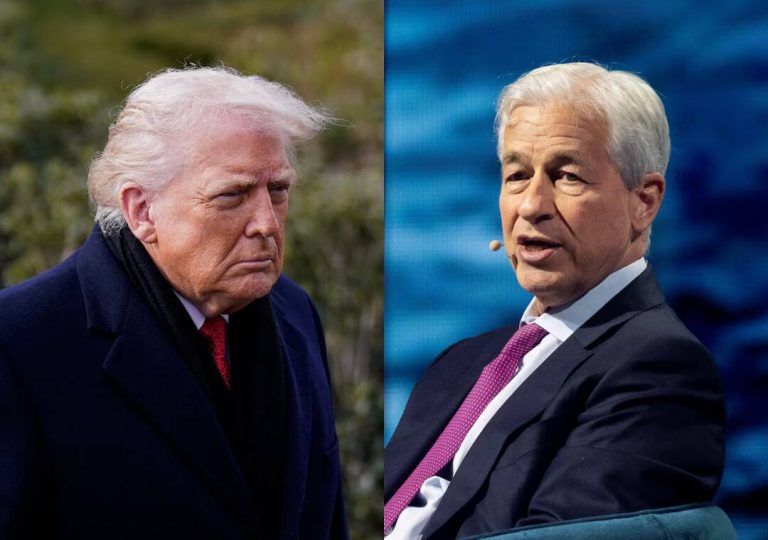
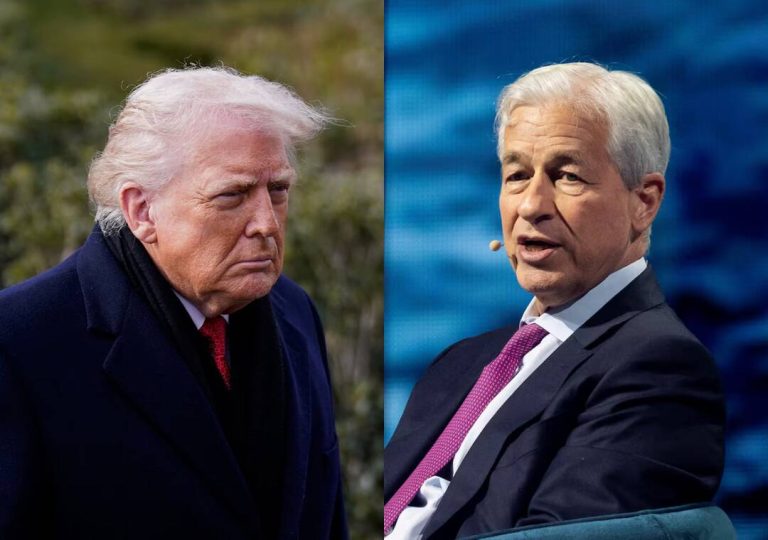
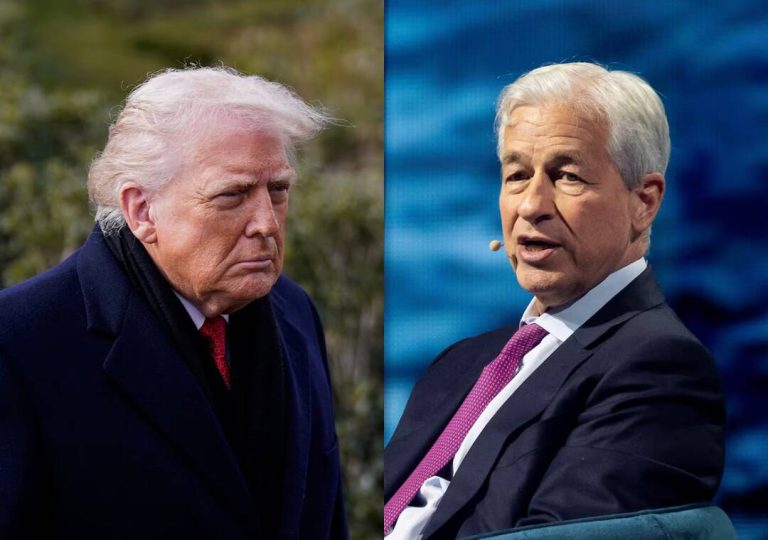
In a shocking turn of events, former US President Donald Trump has sued JPMorgan Chase, the largest bank in the United States, and its CEO Jamie Dimon for a staggering $5 billion (approximately ₹45,800 crore) for alleged “debanking”. According to Trump, the bank “unilaterally- and without warning or remedy- terminated several of [his] bank accounts” due to its “woke” beliefs that it needs to distance itself from him.
This lawsuit has sent shockwaves through the financial and political circles, with many analysts and experts weighing in on the implications of such a move. The term “debanking” refers to the practice of banks and financial institutions refusing to provide services to certain individuals or businesses, often due to political or ideological reasons. In this case, Trump claims that JPMorgan Chase’s decision to terminate his bank accounts was motivated by a desire to appease the liberal elite and distance itself from his conservative views.
The lawsuit, which was filed in a US court, alleges that JPMorgan Chase’s actions were a clear example of “political debanking” and that the bank’s decision to terminate Trump’s accounts was a result of its “woke” culture. Trump’s lawyers argue that the bank’s actions were a clear violation of his rights and that he has suffered significant financial losses as a result of the debanking.
JPMorgan Chase, on the other hand, has refused to comment on the lawsuit, citing its policy of not discussing ongoing litigation. However, sources close to the bank have suggested that the decision to terminate Trump’s accounts was made due to concerns over the bank’s reputation and the potential risks associated with doing business with the former President.
The concept of debanking has become a contentious issue in recent years, with many conservatives and libertarians arguing that it is a form of censorship and a threat to free speech. They argue that banks and financial institutions have a responsibility to provide services to all customers, regardless of their political views or affiliations. On the other hand, many liberals and progressives argue that banks have a right to choose who they do business with and that debanking can be a necessary measure to prevent the spread of hate speech and extremist ideologies.
Trump’s lawsuit against JPMorgan Chase is likely to be closely watched by the financial and political communities, as it raises important questions about the role of banks and financial institutions in society. If successful, the lawsuit could have significant implications for the banking industry and could potentially lead to changes in the way that banks approach debanking and customer relationships.
In recent years, there have been several high-profile cases of debanking, with many conservatives and libertarians arguing that they have been targeted by banks and financial institutions due to their political views. For example, in 2020, the conservative social media platform Parler was debanked by several major banks, including JPMorgan Chase, due to concerns over the spread of hate speech and extremist content on the platform.
Trump’s lawsuit against JPMorgan Chase is also likely to be seen as a test of the limits of debanking and the extent to which banks and financial institutions can refuse to provide services to customers due to political or ideological reasons. The outcome of the lawsuit could have significant implications for the future of banking and finance, and could potentially lead to changes in the way that banks approach customer relationships and debanking.
In conclusion, Trump’s lawsuit against JPMorgan Chase is a significant development that raises important questions about the role of banks and financial institutions in society. The concept of debanking is a contentious issue that has sparked debate and controversy, with many arguing that it is a form of censorship and a threat to free speech. As the lawsuit makes its way through the courts, it will be closely watched by the financial and political communities, and could potentially have significant implications for the banking industry and beyond.
About the Author