Trump sues US’ largest bank JPMorgan, its CEO for ₹45,800 crore for ‘debanking’
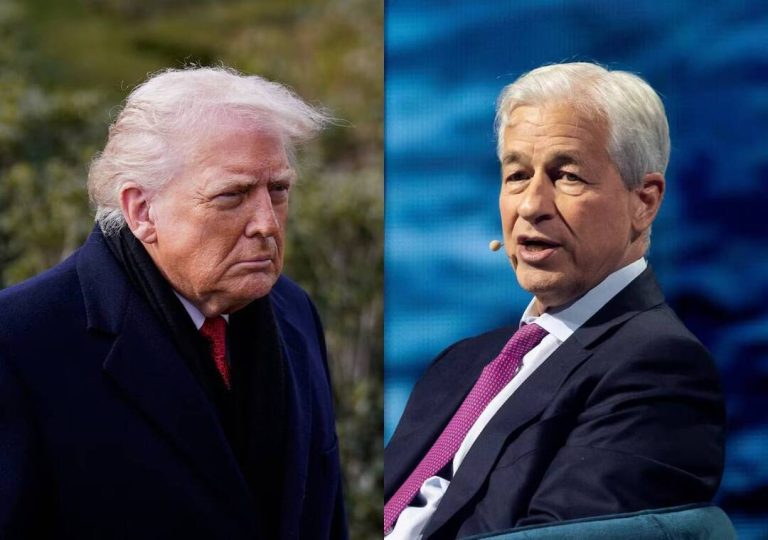
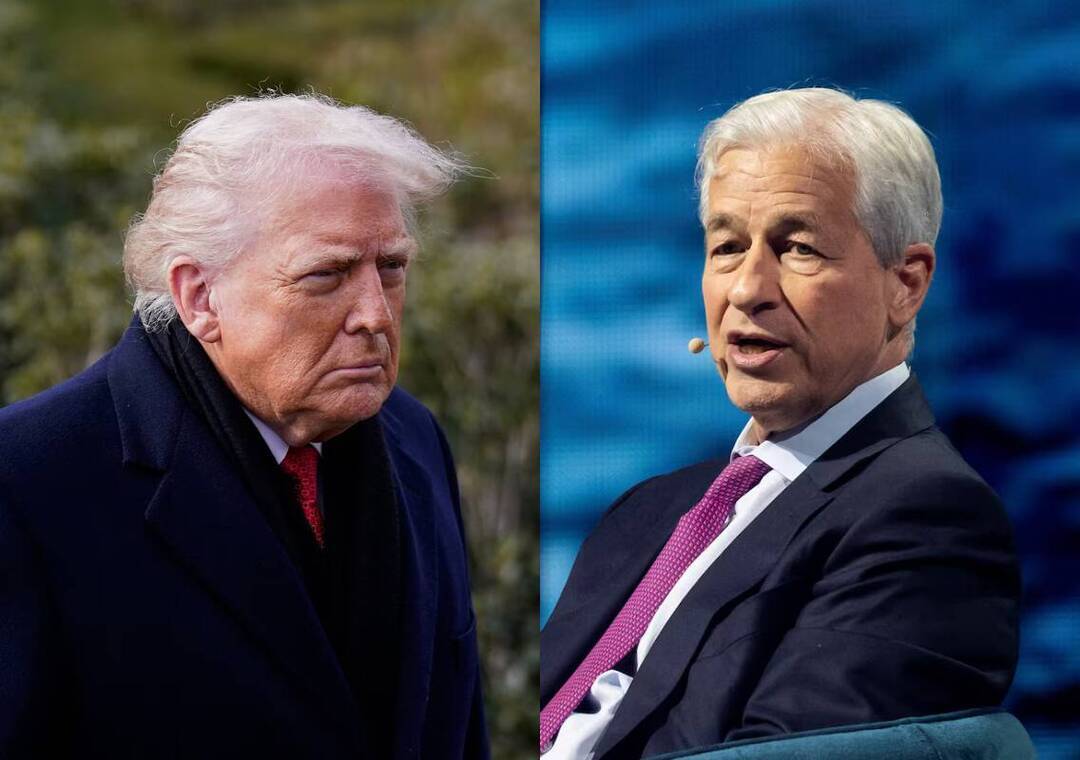
In a shocking move, former US President Donald Trump has sued JPMorgan Chase, the largest bank in the United States, and its CEO Jamie Dimon for a staggering $5 billion (approximately ₹45,800 crore) for alleged “debanking”. The lawsuit, which has sent shockwaves through the financial world, accuses JPMorgan of terminating several of Trump’s bank accounts without warning or remedy, citing the bank’s “woke” beliefs as the reason behind the move.
According to Trump, JPMorgan “unilaterally- and without warning or remedy- terminated several of [his] bank accounts” in an effort to distance itself from him. The former President claims that the bank’s decision was motivated by its desire to appease liberal activists and politicians who have been critical of Trump’s policies and actions. Trump’s lawsuit argues that JPMorgan’s actions constitute a form of “political debanking”, where a bank terminates a customer’s account due to their political beliefs or affiliations.
The lawsuit, which was filed in a US court, alleges that JPMorgan’s decision to terminate Trump’s accounts was a result of the bank’s “woke” culture, which prioritizes political correctness over its customers’ needs. Trump’s lawyers argue that the bank’s actions were a clear example of “viewpoint discrimination”, where a company discriminates against an individual or group based on their political views.
JPMorgan Chase, on the other hand, has denied any wrongdoing, stating that its decision to terminate Trump’s accounts was based on “commercial” reasons and not due to any political motivations. The bank has refused to comment further on the matter, citing customer confidentiality and the ongoing lawsuit.
The lawsuit has sparked a heated debate about the role of banks in policing their customers’ political activities. While some argue that banks have a responsibility to distance themselves from individuals or groups that promote hate speech or violence, others claim that such actions constitute a form of censorship and undermine the principles of free speech.
The concept of “debanking” has gained significant attention in recent years, particularly in the context of social media and online platforms. The term refers to the practice of terminating a customer’s account or access to a platform due to their political beliefs, activities, or affiliations. While debanking is often associated with social media companies, the practice has also been observed in the banking sector, where banks have been known to terminate accounts of individuals or groups that engage in activities deemed “high-risk” or “undesirable”.
Trump’s lawsuit against JPMorgan Chase has significant implications for the banking industry and the concept of debanking. If the court rules in Trump’s favor, it could set a precedent for other individuals or groups who have been debanked due to their political beliefs or activities. On the other hand, if the court rules in favor of JPMorgan, it could embolden banks to continue practicing debanking, potentially undermining the principles of free speech and association.
The lawsuit also raises important questions about the role of CEOs and corporate leaders in shaping their companies’ policies and practices. Jamie Dimon, JPMorgan’s CEO, has been a vocal advocate for corporate social responsibility and has spoken out on various social and political issues. Trump’s lawsuit accuses Dimon of using his position to promote a “woke” agenda, which prioritizes political correctness over the needs of the bank’s customers.
In conclusion, the lawsuit between Trump and JPMorgan Chase has significant implications for the banking industry, the concept of debanking, and the role of corporate leaders in shaping their companies’ policies and practices. As the lawsuit makes its way through the courts, it will be interesting to see how the judge rules on the matter and what implications this will have for the future of banking and free speech.
About the Author