Trump sues US’ largest bank JPMorgan, its CEO for ₹45,800 crore for ‘debanking’
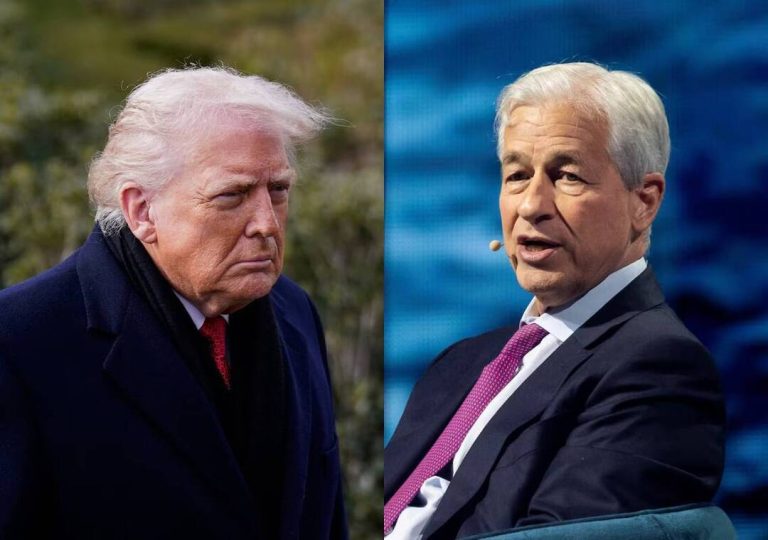
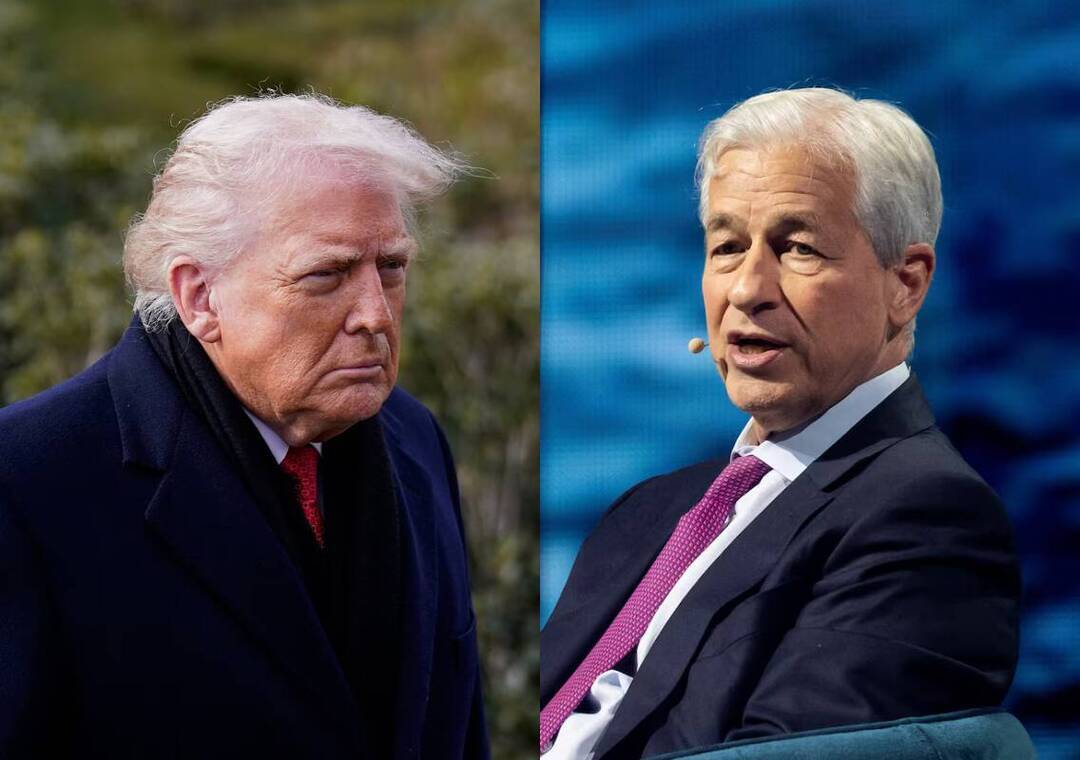
In a shocking move, former US President Donald Trump has sued JPMorgan Chase, the largest bank in the United States, and its CEO Jamie Dimon for a staggering $5 billion (approximately ₹45,800 crore) for alleged “debanking”. According to Trump, the bank “unilaterally- and without warning or remedy- terminated several of [his] bank accounts” due to its “woke” beliefs that it needs to distance itself from him.
The lawsuit, which has sent shockwaves through the financial world, claims that JPMorgan’s decision to terminate Trump’s bank accounts was motivated by a desire to appease liberal politicians and activists who have been critical of the former President. Trump’s lawyers argue that the bank’s actions constitute a form of political discrimination, which is prohibited under US law.
In the lawsuit, Trump alleges that JPMorgan’s decision to debank him was not based on any legitimate business reasons, but rather on a desire to curry favor with Trump’s political opponents. The lawsuit claims that the bank’s actions have caused Trump significant financial harm, including the loss of business opportunities and damage to his reputation.
The concept of “debanking” refers to the practice of banks terminating or restricting the bank accounts of individuals or businesses for political or ideological reasons. In recent years, there have been several high-profile cases of debanking, including the termination of bank accounts held by conservative activists and politicians.
Trump’s lawsuit against JPMorgan is significant because it highlights the growing concern about the politicization of the financial system. Many conservatives have long argued that large banks and financial institutions are biased against them, and that they are more likely to be debanked or face other forms of financial discrimination.
The lawsuit also raises important questions about the role of banks in society and their relationship with politicians and activists. While banks have a right to manage their risk and make decisions about who they do business with, they must also comply with anti-discrimination laws and avoid engaging in practices that are motivated by political ideology.
In a statement, JPMorgan Chase said that it would vigorously defend itself against Trump’s lawsuit. The bank argued that its decision to terminate Trump’s bank accounts was based on legitimate business reasons, including concerns about the risk of doing business with the former President.
The lawsuit is likely to be closely watched by politicians, activists, and financial experts, as it has the potential to set an important precedent for the banking industry. If Trump is successful in his lawsuit, it could lead to a re-evaluation of the way that banks approach political risk and debanking.
On the other hand, if the lawsuit is dismissed, it could embolden banks to continue engaging in debanking practices that are motivated by political ideology. Either way, the outcome of the lawsuit is likely to have significant implications for the future of the financial system and the relationship between banks and politicians.
In conclusion, Trump’s lawsuit against JPMorgan Chase and its CEO Jamie Dimon is a significant development that highlights the growing concern about the politicization of the financial system. The lawsuit raises important questions about the role of banks in society and their relationship with politicians and activists, and it has the potential to set an important precedent for the banking industry.
As the lawsuit makes its way through the courts, it will be closely watched by politicians, activists, and financial experts. One thing is certain, however: the outcome of the lawsuit will have significant implications for the future of the financial system and the relationship between banks and politicians.
About the Author