Trump Sues US’ Largest Bank JPMorgan, its CEO for ₹45,800 Crore for ‘Debanking’
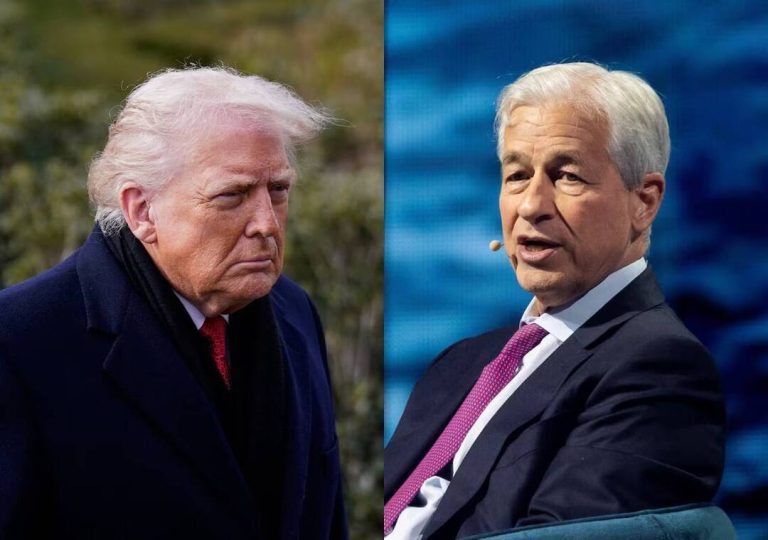
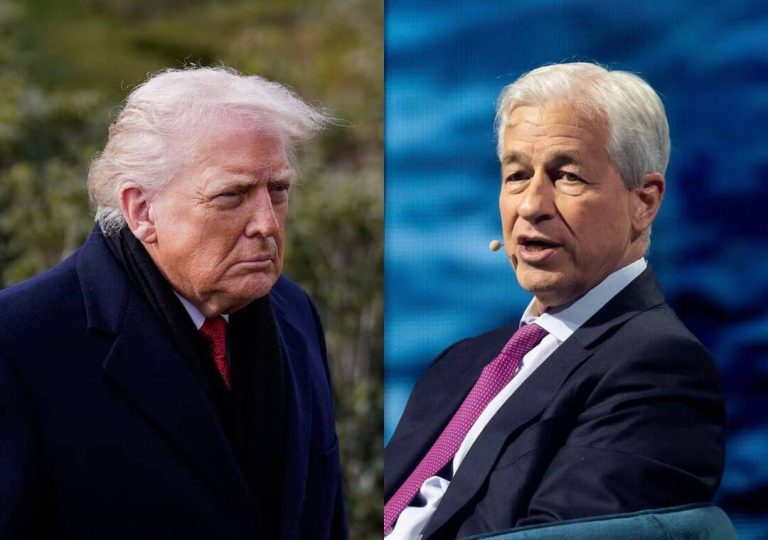
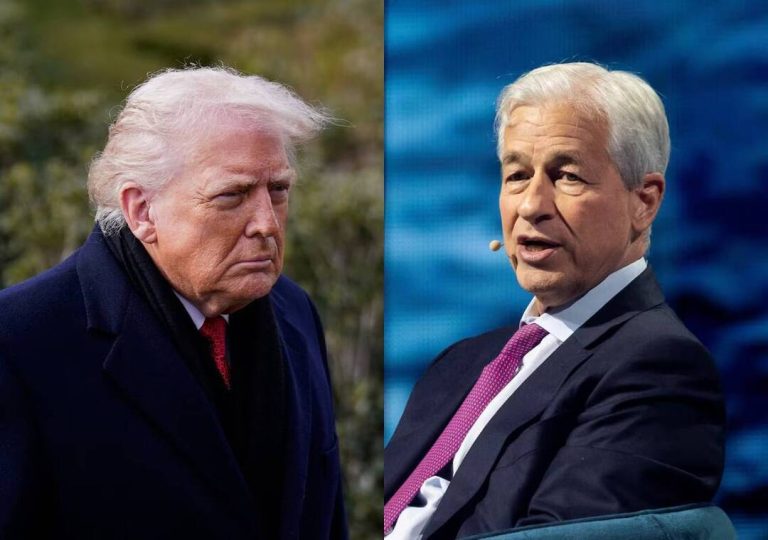
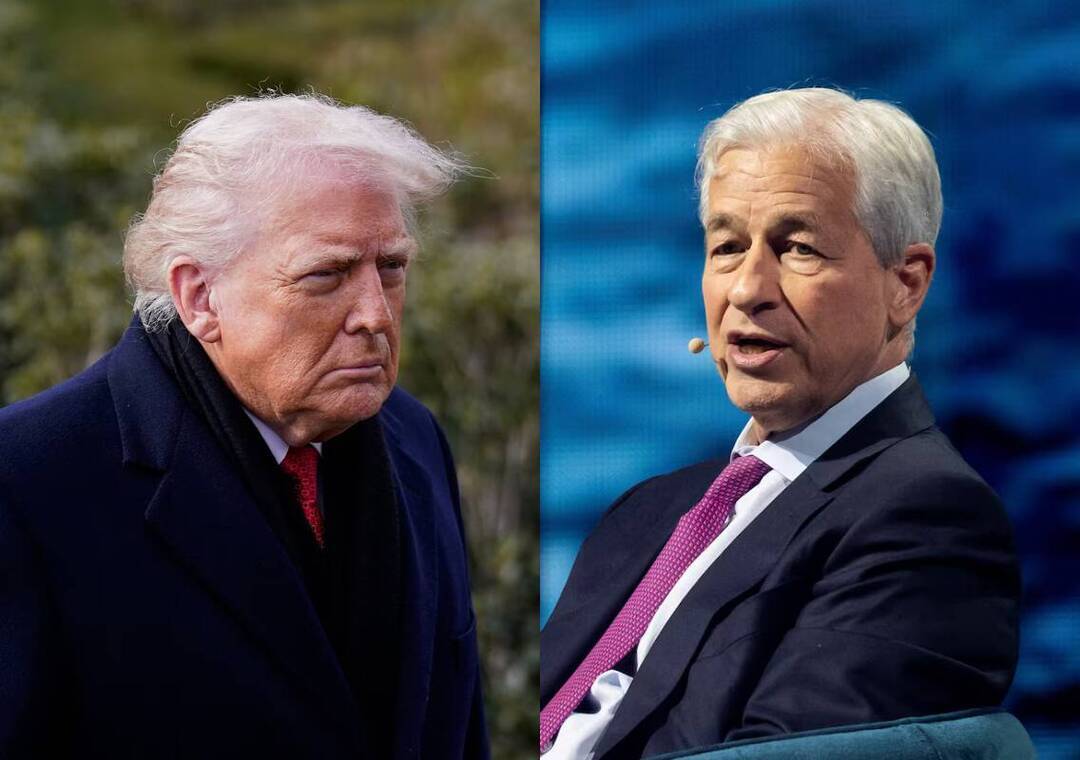
In a shocking turn of events, former US President Donald Trump has sued JPMorgan Chase, the largest bank in the United States, and its CEO Jamie Dimon for a staggering $5 billion (approximately ₹45,800 crore) for alleged “debanking”. According to Trump, the bank “unilaterally- and without warning or remedy- terminated several of [his] bank accounts” due to its “woke” beliefs that it needs to distance itself from him.
The lawsuit, which has sent shockwaves through the financial industry, claims that JPMorgan Chase’s decision to terminate Trump’s bank accounts was a result of the bank’s efforts to appease its liberal stakeholders and distance itself from the former President’s conservative ideology. Trump alleges that the bank’s actions were motivated by a desire to curry favor with the liberal elite and to avoid any potential backlash from its decision to continue doing business with him.
The term “debanking” refers to the practice of banks and financial institutions refusing to provide services to certain individuals or organizations, often due to political or ideological reasons. In this case, Trump claims that JPMorgan Chase’s decision to terminate his bank accounts was a form of debanking, and that it has caused him significant financial harm.
According to the lawsuit, Trump had several bank accounts with JPMorgan Chase, which were used for both personal and business purposes. However, in recent months, the bank began to restrict Trump’s access to these accounts, eventually terminating them altogether. Trump claims that he was not given any warning or explanation for the bank’s actions, and that he was not provided with any opportunity to remedy the situation.
Trump’s lawsuit alleges that JPMorgan Chase’s actions were a result of the bank’s “woke” culture, which prioritizes liberal ideology over its fiduciary duties to its customers. The lawsuit claims that the bank’s CEO, Jamie Dimon, has been a vocal critic of Trump and has made public statements that demonstrate his disdain for the former President.
The lawsuit also alleges that JPMorgan Chase’s actions were part of a larger effort by the bank to distance itself from conservative individuals and organizations. Trump claims that the bank has a history of discriminating against conservatives, and that its decision to terminate his bank accounts was just the latest example of this bias.
The implications of this lawsuit are significant, and could have far-reaching consequences for the banking industry as a whole. If Trump is successful in his lawsuit, it could set a precedent for other individuals and organizations who have been debanked due to political or ideological reasons. It could also lead to increased scrutiny of banks and financial institutions, and their practices with regards to debanking.
In addition, the lawsuit highlights the growing tension between the banking industry and conservative individuals and organizations. In recent years, there have been numerous examples of banks and financial institutions debanking conservatives, often due to pressure from liberal activists and stakeholders. This has led to accusations of bias and discrimination, and has raised concerns about the ability of conservatives to access financial services.
As the lawsuit makes its way through the courts, it will be interesting to see how JPMorgan Chase and its CEO Jamie Dimon respond to Trump’s allegations. The bank has thus far declined to comment on the lawsuit, but it is likely that it will vigorous defend itself against Trump’s claims.
In conclusion, the lawsuit filed by Donald Trump against JPMorgan Chase and its CEO Jamie Dimon is a significant development that highlights the growing tension between the banking industry and conservative individuals and organizations. The allegations of debanking and bias are serious, and could have far-reaching consequences for the banking industry as a whole. As the case progresses, it will be important to watch how the courts respond to Trump’s claims, and what implications this may have for the future of banking and finance.
About the Author