Trump sues US’ largest bank JPMorgan, its CEO for ₹45,800 crore for ‘debanking’
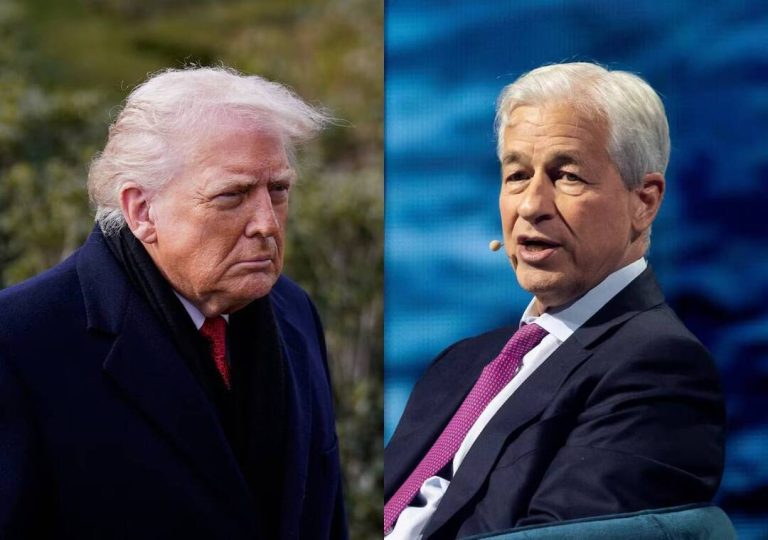
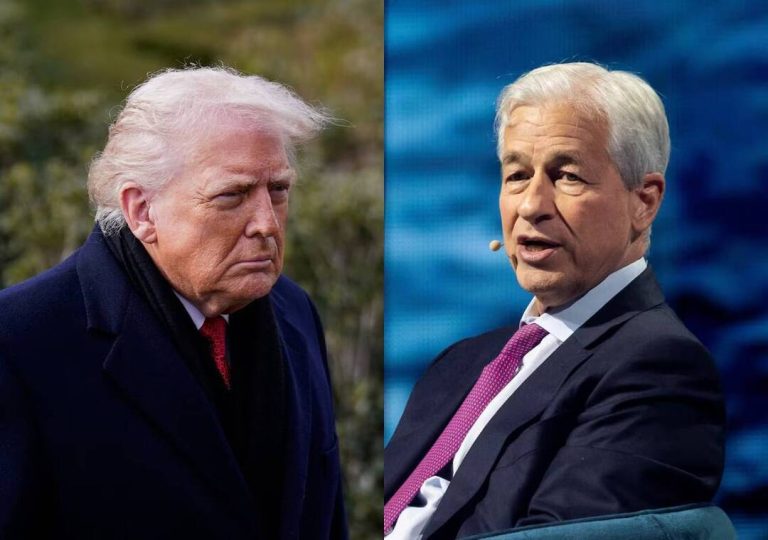
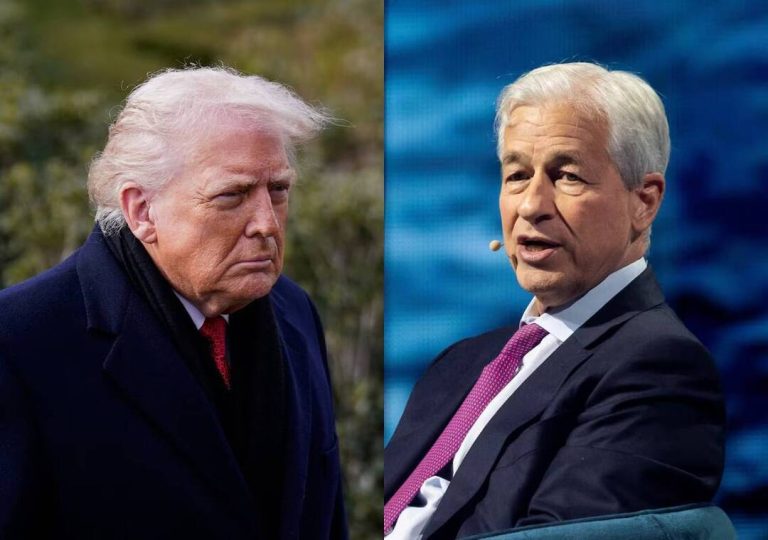
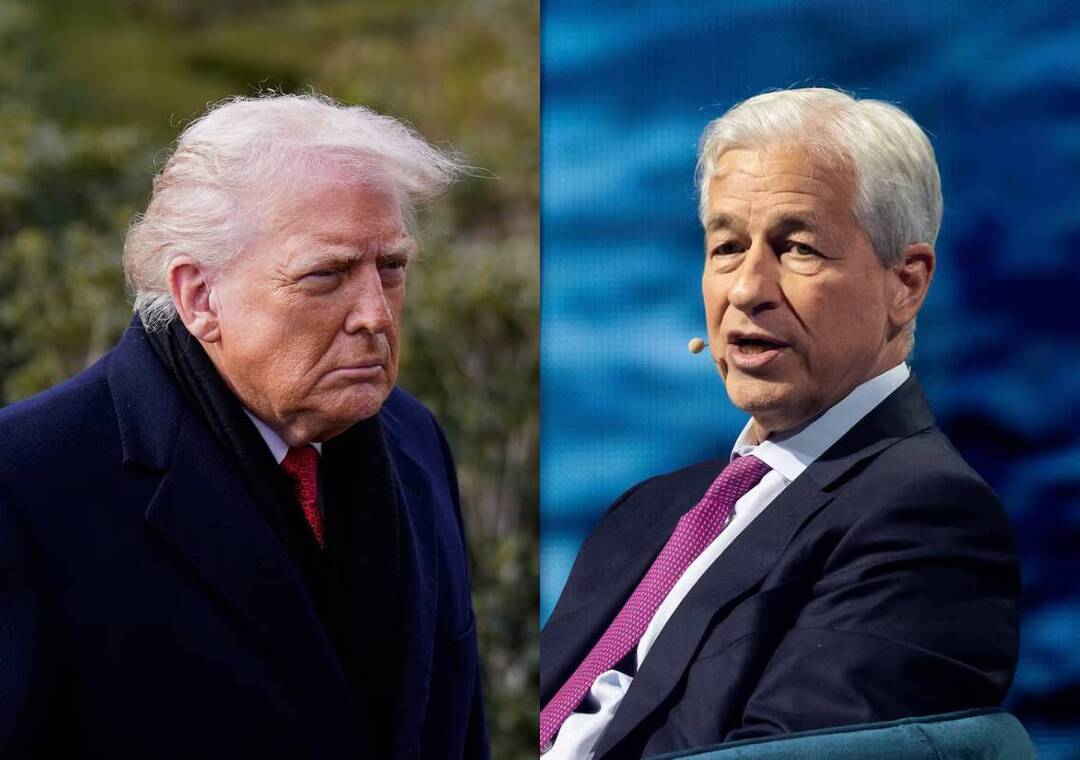
In a shocking turn of events, former US President Donald Trump has filed a lawsuit against JPMorgan Chase, the largest bank in the United States, and its CEO Jamie Dimon for a staggering $5 billion (approximately ₹45,800 crore). The lawsuit alleges that the bank and its CEO engaged in “debanking” – a practice where a bank terminates its relationship with a customer without warning or justification. According to Trump, JPMorgan Chase terminated several of his bank accounts without any prior notice or explanation, citing the bank’s “woke” beliefs as the reason behind this decision.
Trump claimed that JPMorgan Chase’s actions were motivated by a desire to distance itself from him, presumably due to his controversial reputation and polarizing political views. The former President argued that the bank’s decision to terminate his accounts was a clear case of political debanking, where a financial institution targets a customer based on their political affiliations or views. This practice is considered unfair and discriminatory, as it denies individuals access to basic banking services, which are essential for personal and business transactions.
The lawsuit, which was filed in a US court, seeks damages of $5 billion, which is a significant amount, even by the standards of high-stakes litigation. Trump’s lawyers argue that the bank’s actions have caused their client significant financial harm, as well as damage to his reputation and business interests. The lawsuit also names Jamie Dimon, the CEO of JPMorgan Chase, as a defendant, alleging that he was personally involved in the decision to terminate Trump’s bank accounts.
The term “debanking” has gained significant attention in recent years, particularly in the context of political polarization and the increasing trend of financial institutions taking a more active role in promoting social and environmental causes. While debanking can be a legitimate practice in cases where a customer is engaged in illicit activities or poses a risk to the bank’s reputation, it can also be used as a tool for political censorship and discrimination.
In Trump’s case, the lawsuit alleges that JPMorgan Chase’s decision to terminate his bank accounts was motivated by a desire to appease liberal activists and politicians who have been critical of the former President’s policies and views. Trump’s lawyers argue that this decision was a clear case of political bias, which is prohibited under US law. The lawsuit seeks to hold JPMorgan Chase and its CEO accountable for their actions, which are alleged to have caused significant harm to Trump’s business and personal interests.
The lawsuit has sparked a heated debate about the role of financial institutions in promoting social and political causes. While some argue that banks have a responsibility to promote diversity, equity, and inclusion, others argue that they should remain neutral and avoid taking a political stance. The case has also raised concerns about the potential for debanking to be used as a tool for political censorship, where individuals or businesses are targeted based on their political views or affiliations.
As the lawsuit makes its way through the courts, it is likely to have significant implications for the banking industry and the broader debate about political polarization and social responsibility. If Trump’s lawsuit is successful, it could set a precedent for individuals and businesses to challenge financial institutions that engage in debanking practices based on political bias. On the other hand, if the lawsuit is dismissed, it could embolden financial institutions to continue their debanking practices, potentially leading to further polarization and discrimination.
In conclusion, the lawsuit filed by Donald Trump against JPMorgan Chase and its CEO Jamie Dimon is a significant development that highlights the complex and often contentious relationship between financial institutions, politics, and social responsibility. As the case unfolds, it is likely to spark a heated debate about the role of banks in promoting social and political causes, and the potential for debanking to be used as a tool for political censorship.
About the Author