Trump Sues US’ Largest Bank JPMorgan, Its CEO for ₹45,800 Crore for ‘Debanking’
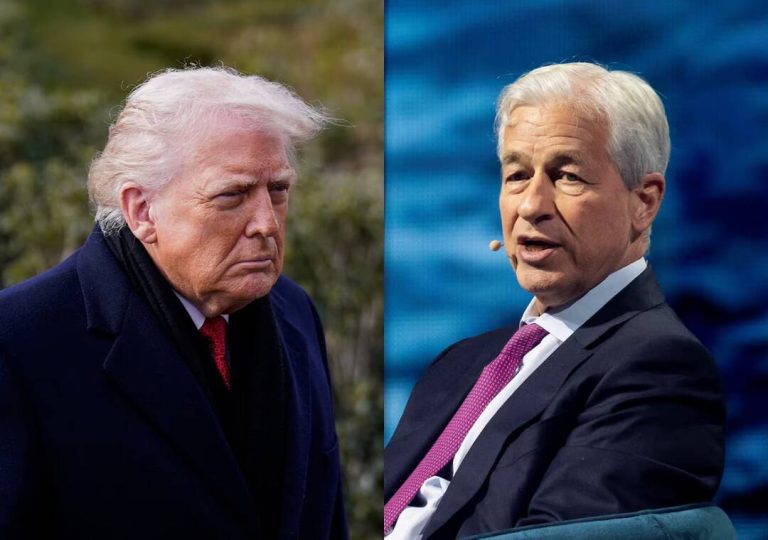
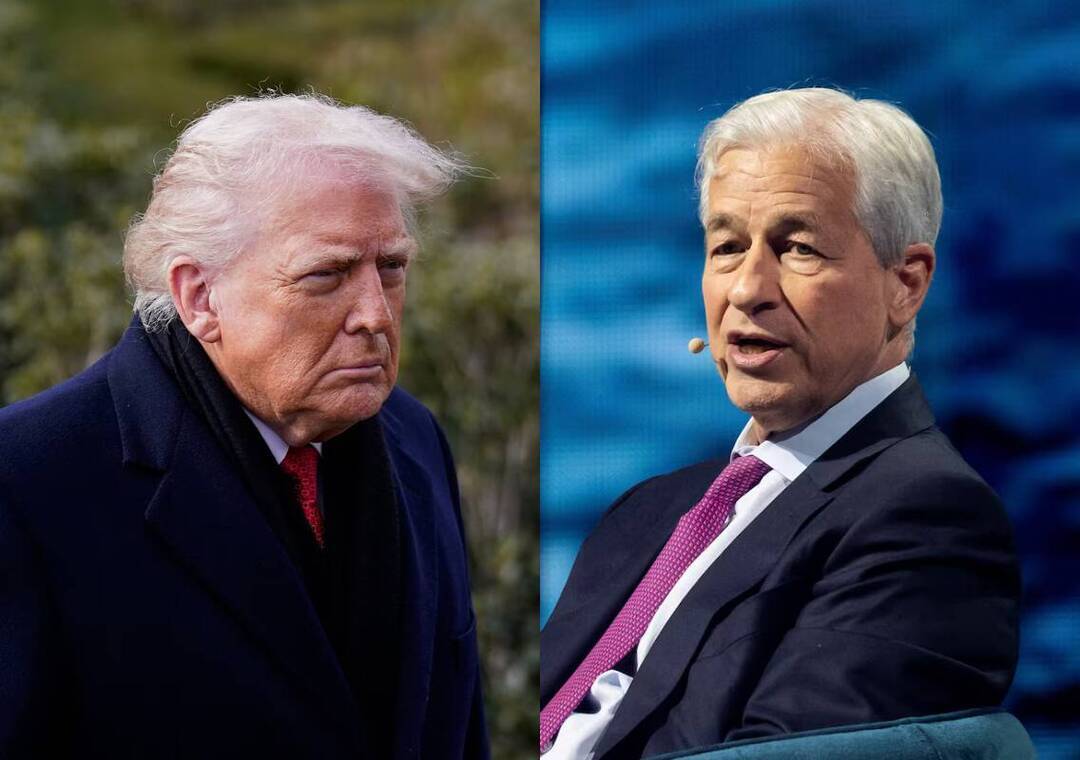
In a shocking move, former US President Donald Trump has filed a lawsuit against JPMorgan Chase, the largest bank in the United States, and its CEO Jamie Dimon for a staggering $5 billion (approximately ₹45,800 crore). The lawsuit alleges that the bank and its CEO engaged in “debanking” – a practice where a bank terminates its relationship with a customer, often without warning or explanation.
According to Trump, JPMorgan “unilaterally- and without warning or remedy- terminated several of [his] bank accounts”. The former President claims that this decision was made as a result of the bank’s “woke” beliefs, which led it to distance itself from him. Trump’s lawsuit argues that JPMorgan’s actions were motivated by a desire to appease liberal activists and politicians who have been critical of the former President.
The term “debanking” has become increasingly common in recent years, as banks and financial institutions face growing pressure to cut ties with customers who are deemed to be “high-risk” or “controversial”. This can include individuals or businesses that are involved in activities such as firearms manufacturing, adult entertainment, or cryptocurrency trading. However, in Trump’s case, the lawsuit alleges that the bank’s decision to terminate his accounts was motivated by political considerations, rather than any legitimate business or risk-related concerns.
The lawsuit, which was filed in a US court, seeks $5 billion in damages from JPMorgan and its CEO. Trump’s lawyers argue that the bank’s actions have caused significant harm to the former President’s business and reputation, and that the bank’s decision to terminate his accounts was a clear example of “debanking” motivated by political bias.
JPMorgan has yet to comment on the lawsuit, but the bank has faced criticism in the past for its handling of high-profile customers. In 2020, the bank faced backlash for its decision to close the accounts of several conservative activists and organizations, citing concerns about “reputational risk”.
The practice of debanking has become a growing concern in recent years, as banks and financial institutions face increasing pressure to police the activities of their customers. While debanking can be a legitimate tool for managing risk and preventing illicit activities, it can also be used as a form of censorship or political repression. In Trump’s case, the lawsuit alleges that JPMorgan’s decision to terminate his accounts was a clear example of debanking motivated by political bias.
The implications of this lawsuit are significant, and could have far-reaching consequences for the banking industry. If Trump is successful in his lawsuit, it could establish a precedent for customers who claim to have been debanked due to political bias or other forms of discrimination. On the other hand, if the lawsuit is dismissed, it could embolden banks to continue engaging in debanking practices, potentially leading to further erosion of trust in the financial system.
As the lawsuit makes its way through the courts, it will be closely watched by observers on both sides of the political spectrum. The case has the potential to raise important questions about the role of banks in policing the activities of their customers, and the limits of their authority to terminate relationships with customers who are deemed to be “high-risk” or “controversial”.
In conclusion, the lawsuit filed by Donald Trump against JPMorgan Chase and its CEO Jamie Dimon is a significant development that highlights the growing concern about debanking practices in the banking industry. As the case progresses, it will be important to watch for developments and consider the potential implications for the financial system and the broader economy.
About the Author