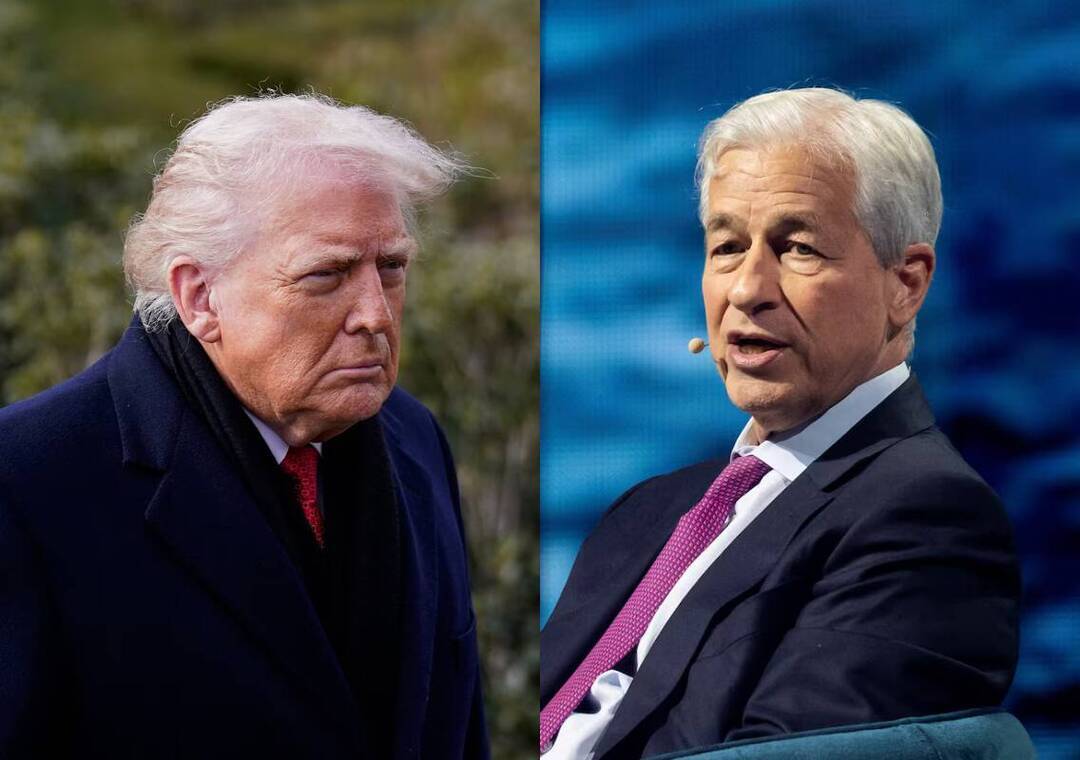
Trump Sues US’ Largest Bank JPMorgan, Its CEO For ₹45,800 Crore For ‘Debanking’
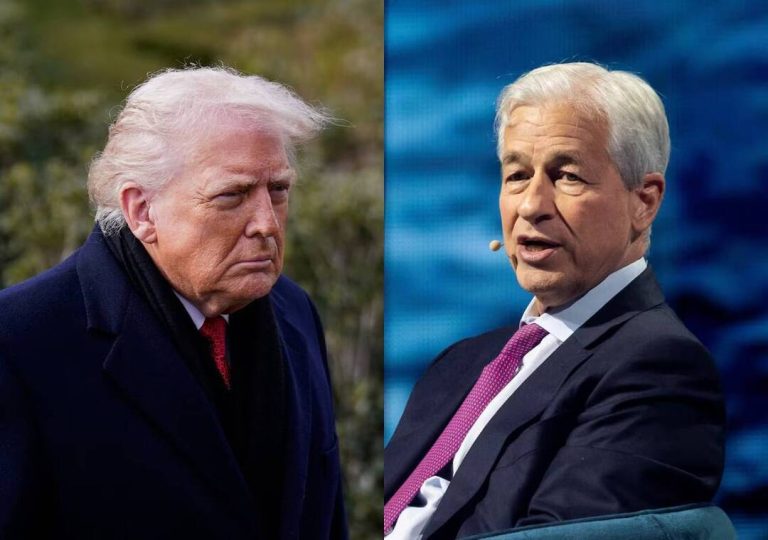
In a shocking move, former US President Donald Trump has sued JPMorgan Chase, the largest bank in the United States, and its CEO Jamie Dimon for a staggering $5 billion (approximately ₹45,800 crore) for allegedly “debanking” him. The lawsuit, which has sent shockwaves through the financial world, claims that JPMorgan “unilaterally- and without warning or remedy- terminated several of [Trump’s] bank accounts” due to its “woke” beliefs.
According to Trump, JPMorgan’s decision to terminate his bank accounts was a result of the bank’s desire to distance itself from him, citing his political views and affiliations. The former President alleged that the bank’s actions were a clear case of “political debanking,” where a bank terminates a customer’s account due to their political beliefs or associations, rather than any legitimate business or financial reason.
The lawsuit, which was filed in a US court, claims that JPMorgan’s actions have caused Trump significant financial harm and damage to his reputation. Trump’s lawyers argue that the bank’s decision to terminate his accounts was motivated by a desire to appease liberal politicians and activists who have been critical of the former President.
JPMorgan Chase, on the other hand, has not commented on the lawsuit, citing its policy of not discussing ongoing litigation. However, the bank has previously stated that it does not comment on individual customer accounts or relationships.
The concept of “debanking” has become a contentious issue in recent years, with some arguing that it is a form of censorship and others seeing it as a necessary measure to prevent the spread of hate speech and extremism. Trump’s lawsuit has brought the issue to the forefront, with many questioning the motivations behind JPMorgan’s decision to terminate his accounts.
The lawsuit has also sparked a debate about the role of banks in policing their customers’ political views and activities. Some have argued that banks have a responsibility to ensure that their customers are not using their accounts for illicit or harmful purposes, while others see it as an overreach of power and an infringement on individual rights.
Trump’s lawsuit against JPMorgan Chase is not the first time the former President has clashed with the bank. In 2020, Trump criticized JPMorgan’s CEO Jamie Dimon for his comments on the economy and the banking industry. Dimon had stated that he could beat Trump in an election, prompting a fiery response from the then-President.
The lawsuit is likely to be closely watched by the financial industry, as well as politicians and activists on both sides of the aisle. The outcome of the case could have significant implications for the way banks interact with their customers, particularly those with high profiles or controversial views.
As the case makes its way through the courts, many will be watching to see how JPMorgan Chase responds to Trump’s allegations. Will the bank argue that its decision to terminate Trump’s accounts was based on legitimate business reasons, or will it acknowledge that its actions were motivated by a desire to distance itself from the former President?
One thing is certain: the lawsuit has brought attention to the issue of “debanking” and the role of banks in policing their customers’ political views. As the case unfolds, it will be interesting to see how the courts navigate this complex and contentious issue.
In conclusion, Trump’s lawsuit against JPMorgan Chase is a significant development that highlights the tensions between the financial industry and politicians. The outcome of the case will have far-reaching implications for the way banks interact with their customers, particularly those with high profiles or controversial views.
About the Author