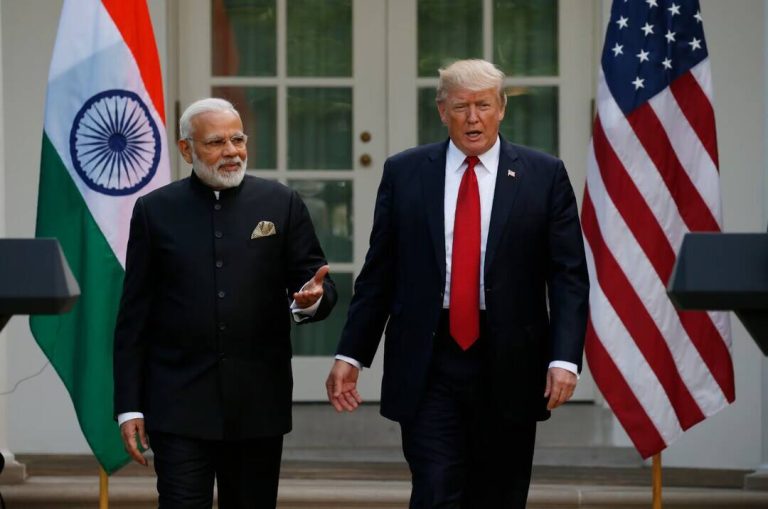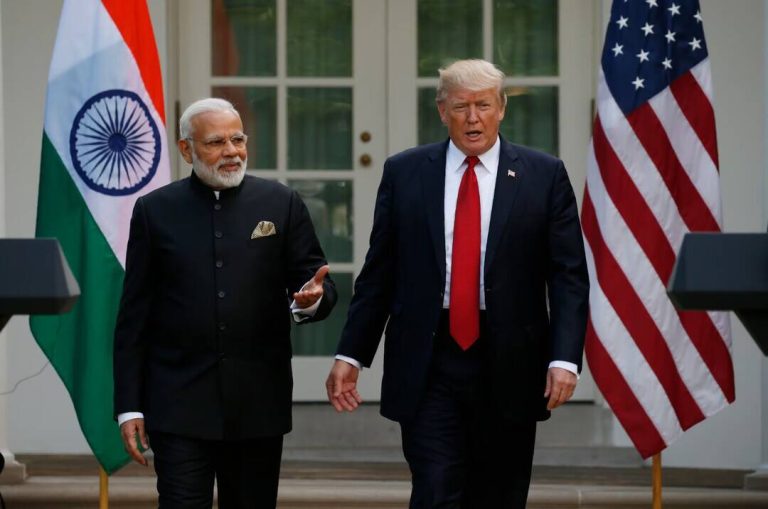
Trump removes penalty tariff imposed on India over Russia oil purchase
In a significant development, the United States has announced the removal of a 25% penalty tariff imposed on India over its purchase of Russian oil. This decision comes as a major relief to India, which had been facing a total tariff of 50% on its exports to the US. The total tariff on India will now be 18%, US Ambassador to India Sergio Gor confirmed in a statement.
The penalty tariff was imposed by US President Donald Trump last year, in addition to a 25% reciprocal tariff on India. The reciprocal tariff was imposed in response to India’s tariffs on US goods, while the penalty tariff was specifically imposed due to India’s purchase of Russian oil. The move was seen as a way to pressure India into reducing its dependence on Russian oil and to comply with US sanctions on Russia.
However, with the removal of the penalty tariff, the total tariff on India will now be significantly lower. The reciprocal tariff has also been lowered from 25% to 18%, providing further relief to Indian exporters. This decision is expected to have a positive impact on India-US trade relations, which had been strained due to the tariffs.
The removal of the penalty tariff is also seen as a recognition of India’s efforts to reduce its dependence on Russian oil. India has been diversifying its energy sources and has increased its imports of oil from other countries, including the US. The decision is also expected to boost India’s exports to the US, which had been affected by the high tariffs.
The US Ambassador to India, Sergio Gor, confirmed the decision in a statement, saying that the total tariff on India will now be 18%. This announcement has been welcomed by Indian exporters and industry leaders, who had been lobbying for a reduction in tariffs.
The development is also seen as a significant achievement for the Indian government, which had been negotiating with the US to remove the penalty tariff. The Indian government had argued that the penalty tariff was unfair and would harm Indian exporters. The removal of the tariff is expected to provide a boost to Indian exports, particularly in sectors such as textiles, pharmaceuticals, and agro-products.
The decision is also expected to have a positive impact on the overall India-US trade relationship. The two countries have been working to strengthen their trade ties, and the removal of the penalty tariff is seen as a significant step in this direction. The US is one of India’s largest trading partners, and the reduction in tariffs is expected to increase trade between the two countries.
In recent years, India and the US have been working to strengthen their economic ties, with a focus on increasing trade and investment. The two countries have been negotiating a trade agreement, which is expected to further boost trade between them. The removal of the penalty tariff is seen as a significant development in this context, and is expected to pave the way for further cooperation between the two countries.
The decision to remove the penalty tariff is also seen as a recognition of India’s growing importance as a trade partner for the US. India is one of the fastest-growing major economies in the world, and the US has been keen to increase its trade and investment ties with the country. The removal of the penalty tariff is expected to provide a boost to US exports to India, particularly in sectors such as energy, aerospace, and defense.
In conclusion, the removal of the penalty tariff imposed on India over its purchase of Russian oil is a significant development that is expected to have a positive impact on India-US trade relations. The decision is seen as a recognition of India’s efforts to reduce its dependence on Russian oil, and is expected to provide a boost to Indian exports to the US. The total tariff on India will now be 18%, which is significantly lower than the earlier tariff of 50%. This development is expected to strengthen the trade ties between the two countries, and is seen as a significant achievement for the Indian government.
About the Author