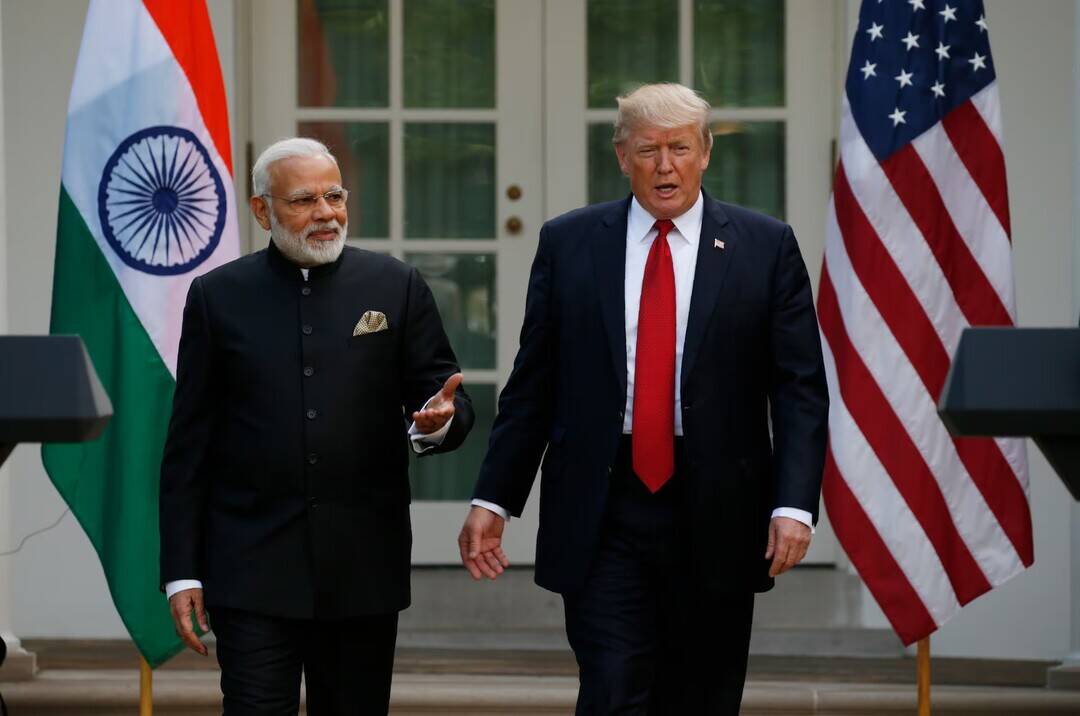
Trump Removes Penalty Tariff Imposed on India over Russia Oil Purchase
In a significant development, the United States has announced the removal of a 25% penalty tariff imposed on India over its purchase of Russian oil. This move is expected to have a positive impact on the trade relations between the two countries. According to US Ambassador to India, Sergio Gor, the total tariff on India will now be 18%. This decision comes after US President Donald Trump had last year imposed a 25% reciprocal tariff on India and an additional 25% as penalty over India’s purchase of Russian oil.
The removal of the penalty tariff is a welcome move for India, which has been facing significant pressure from the US over its energy imports from Russia. India has been one of the largest buyers of Russian oil, and the US had been critical of this move, citing concerns over Russia’s actions in Ukraine. However, with the removal of the penalty tariff, India is likely to breathe a sigh of relief, as this will reduce the financial burden on its energy imports.
The US had imposed the reciprocal tariff on India in response to India’s decision to impose tariffs on certain US products. The US had argued that India’s tariffs were unfair and discriminated against American companies. However, with the reduction of the reciprocal tariff from 25% to 18%, the US has shown a willingness to engage with India and find a mutually beneficial solution.
The removal of the penalty tariff is also significant because it shows that the US is willing to engage with India on issues related to energy security. India has been keen to diversify its energy imports and reduce its dependence on any one country. The US has been keen to promote its own energy exports, and the removal of the penalty tariff could pave the way for increased energy cooperation between the two countries.
The development is also likely to have a positive impact on the overall trade relations between the US and India. The two countries have been engaged in talks to resolve their trade differences, and the removal of the penalty tariff is a significant step in this direction. The US has been one of India’s largest trading partners, and the removal of the tariff is likely to boost trade between the two countries.
According to Ambassador Gor, the decision to remove the penalty tariff was taken after careful consideration of India’s energy needs and its efforts to diversify its energy imports. The US has been keen to promote its own energy exports, and the removal of the penalty tariff could pave the way for increased energy cooperation between the two countries.
The move is also significant because it shows that the US is willing to engage with India on issues related to trade and energy security. The two countries have been engaged in talks to resolve their trade differences, and the removal of the penalty tariff is a significant step in this direction.
In recent years, India has been keen to reduce its dependence on any one country for its energy needs. The country has been diversifying its energy imports, and the removal of the penalty tariff is likely to boost this effort. India has been one of the largest buyers of Russian oil, and the removal of the penalty tariff will reduce the financial burden on its energy imports.
The development is also likely to have a positive impact on the Indian economy. The removal of the penalty tariff will reduce the cost of energy imports, which will have a positive impact on the country’s trade deficit. India has been facing a significant trade deficit, and the removal of the penalty tariff will help to reduce this deficit.
In conclusion, the removal of the penalty tariff imposed on India over its purchase of Russian oil is a significant development that is likely to have a positive impact on the trade relations between the US and India. The move shows that the US is willing to engage with India on issues related to energy security and trade, and it paves the way for increased cooperation between the two countries. The removal of the penalty tariff will reduce the financial burden on India’s energy imports, and it will have a positive impact on the country’s trade deficit.
About the Author