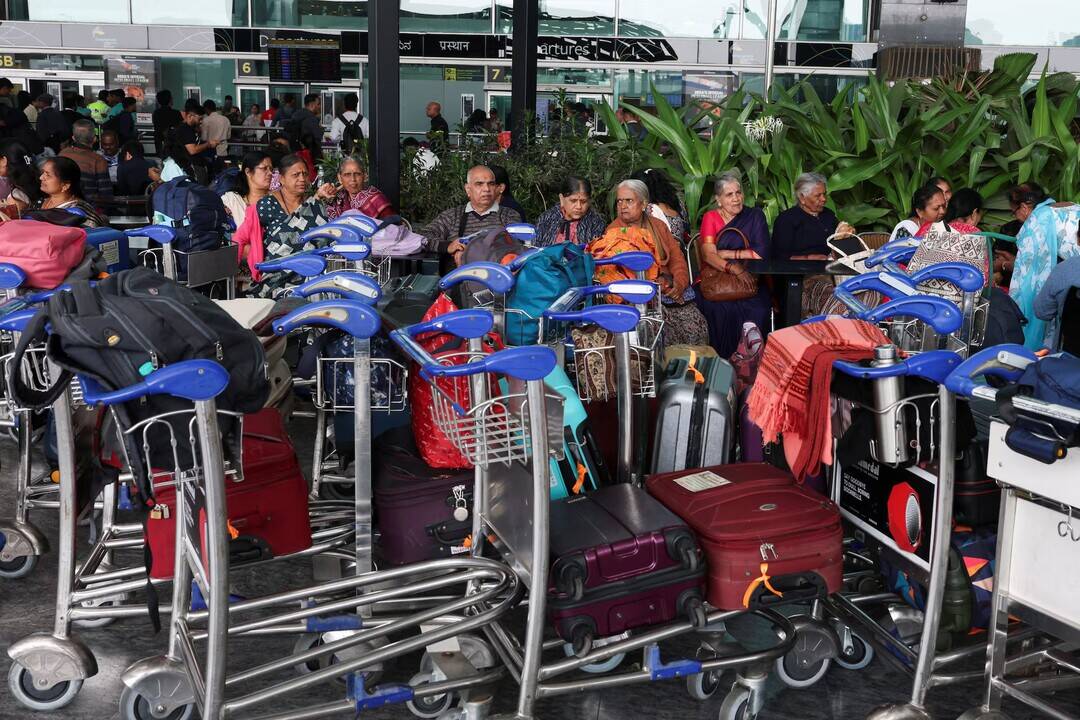
Travel plans ruined for lakhs of people as IndiGo continues to cancel flights
The Indian aviation industry has been witnessing a crisis of unprecedented proportions, with IndiGo, the country’s largest airline, continuing to cancel flights at an alarming rate. As of Sunday, the airline has cancelled over 5,000 flights since December 2, leaving more than 7.75 lakh passengers stranded across the country. The crisis has not only caused inconvenience to passengers but has also raised questions about the airline’s preparedness and the regulatory framework governing the industry.
The cancellations have been attributed to a shortage of pilots, which has been exacerbated by new norms introduced in January 2024. The norms, aimed at improving safety standards, have reduced the number of hours pilots can fly, leading to a shortage of available crew members. While the airline has been struggling to cope with the new regulations, pilot unions have claimed that the crisis was avoidable if the airline had taken timely measures to address the issue.
According to pilot unions, the airline had almost two years to prepare for the new norms, which were introduced with the intention of improving safety standards. However, the airline’s failure to plan and adapt to the changes has led to the current crisis. The unions have also alleged that the airline’s management has been aware of the impending shortage of pilots but has failed to take adequate measures to address the issue.
The cancellations have had a devastating impact on passengers, many of whom have been left stranded at airports or forced to change their travel plans at short notice. The situation has been particularly dire for passengers who had booked their flights well in advance, only to find that their flights have been cancelled at the last minute. The airline’s customer service has also been overwhelmed, with many passengers taking to social media to express their frustration and disappointment.
The crisis has also raised questions about the regulatory framework governing the industry. While the new norms introduced in January 2024 were aimed at improving safety standards, the implementation of these norms has been chaotic, to say the least. The regulator, the Directorate General of Civil Aviation (DGCA), has been criticized for its handling of the crisis, with many alleging that the regulator has failed to take adequate measures to ensure that airlines are prepared for the new norms.
In the midst of the crisis, the government has been forced to intervene, with the Civil Aviation Minister urging airlines to take measures to minimize the impact of the cancellations on passengers. The minister has also assured passengers that the government is working to resolve the issue and ensure that airlines are held accountable for their actions.
As the crisis continues to unfold, it remains to be seen how the airline and the regulator will respond to the situation. While the airline has announced plans to recruit more pilots and increase its fleet, it is unclear whether these measures will be sufficient to address the shortage of pilots and prevent further cancellations. The regulator, on the other hand, will need to take a closer look at its regulatory framework and ensure that airlines are held accountable for their actions.
In conclusion, the crisis facing IndiGo is a wake-up call for the Indian aviation industry. The cancellations have not only caused inconvenience to passengers but have also raised questions about the airline’s preparedness and the regulatory framework governing the industry. As the situation continues to unfold, it is essential that the airline and the regulator take immediate action to address the issue and prevent further disruptions to air travel.
For now, passengers can only hope that the airline and the regulator will take timely measures to resolve the crisis and prevent further cancellations. As the situation continues to evolve, one thing is clear: the Indian aviation industry is in need of a major overhaul, and the current crisis is just the tip of the iceberg.
About the Author