Tariff-hit exporters seek duty rationalisation in Budget 2026
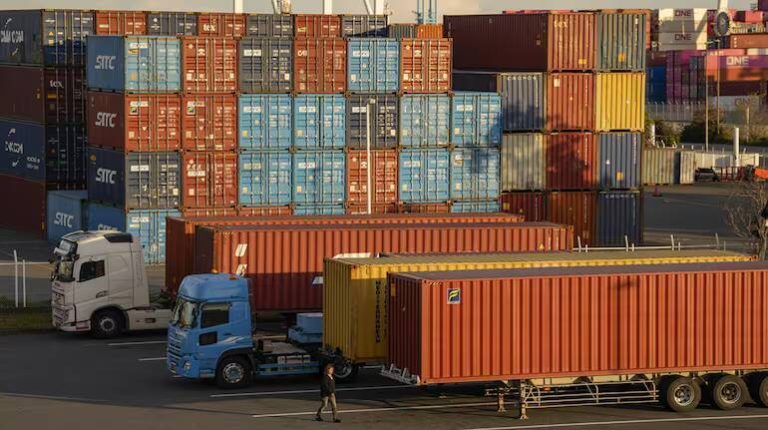
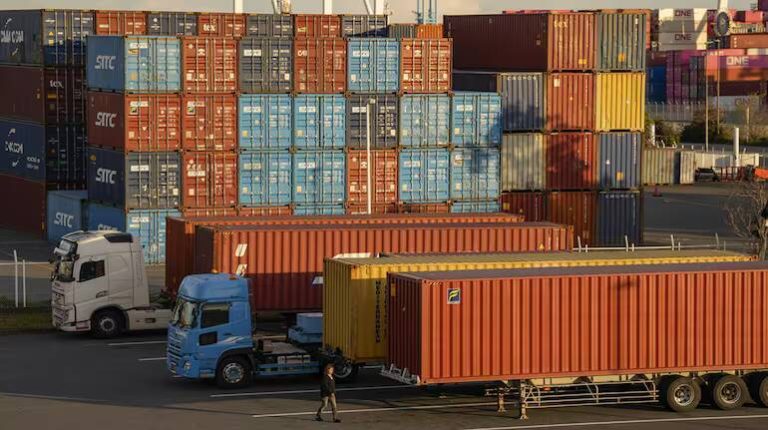
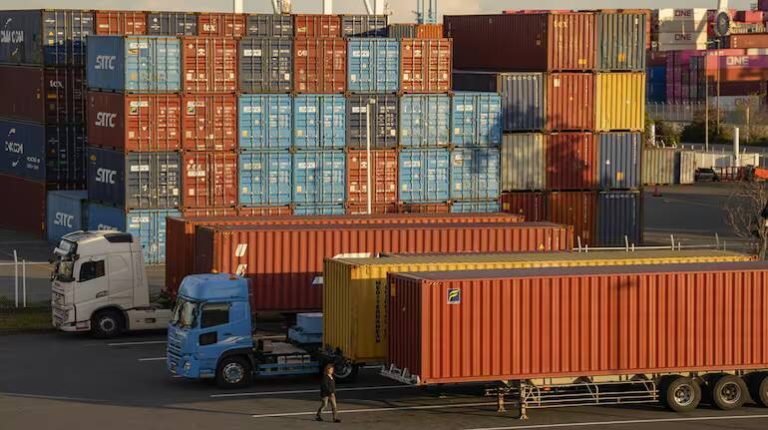
As the Indian government prepares to unveil the Budget for 2026, exporters from various sectors are eagerly awaiting measures that could help them remain competitive in overseas markets. The recent imposition of higher tariffs by the US on most Indian exports has severely impacted sectors such as textiles, apparel, gems and jewellery, and chemicals. In this context, exporters are seeking relief in the form of customs duty rationalisation, among other measures, to mitigate the effects of the tariffs and stay afloat in the global market.
The US tariffs have been a significant blow to Indian exporters, who are already facing intense competition from other countries. The higher tariffs have increased the cost of Indian exports, making them less competitive in the US market. This has resulted in a decline in exports, leading to job losses and economic instability in the affected sectors. The textile industry, for instance, is one of the largest employment generators in India, and the tariffs have had a devastating impact on the sector.
To counter the effects of the tariffs, exporters are urging the government to introduce measures such as customs duty rationalisation in the upcoming Budget. This would involve reducing or eliminating customs duties on certain imports, which would help bring down the cost of production and make Indian exports more competitive. The industry is also seeking relief from carbon compliance, which has become a major concern for exporters in recent years.
In addition to customs duty rationalisation, exporters are also seeking support for Micro, Small, and Medium Enterprises (MSMEs), which are the backbone of the Indian economy. MSMEs play a crucial role in the export sector, and their growth is essential for the country’s economic development. The industry is urging the government to introduce measures such as easy access to credit, tax incentives, and infrastructure support to help MSMEs scale up their operations and become more competitive.
Another area of focus for exporters is the adoption of clean energy and technology upgrades. The industry is seeking incentives and subsidies to encourage the use of renewable energy sources, such as solar and wind power, which would help reduce carbon emissions and make Indian exports more sustainable. Technology upgrades are also essential for exporters to remain competitive, and the industry is seeking support for the adoption of new technologies such as artificial intelligence, blockchain, and the Internet of Things (IoT).
The gems and jewellery sector is another area that has been severely impacted by the US tariffs. The sector is seeking relief in the form of reduced customs duties on gold and other precious metals, which would help bring down the cost of production and make Indian exports more competitive. The sector is also seeking support for the development of infrastructure, such as jewellery parks and common facility centers, which would help exporters to scale up their operations and improve their productivity.
The chemical sector is another area that has been affected by the US tariffs. The sector is seeking relief in the form of reduced customs duties on raw materials and intermediates, which would help bring down the cost of production and make Indian exports more competitive. The sector is also seeking support for research and development, which would help exporters to develop new products and technologies and stay ahead of the competition.
In conclusion, the upcoming Budget is a crucial opportunity for the government to introduce measures that would help tariff-hit exporters remain competitive in overseas markets. The industry is seeking relief in the form of customs duty rationalisation, MSME support, clean energy use, and tech upgrades, among other measures. The government must take into account the concerns of the industry and introduce measures that would help exporters to scale up their operations and stay afloat in the global market.
As the government prepares to unveil the Budget, exporters are keeping their fingers crossed, hoping that their concerns would be addressed. The industry is confident that with the right measures, Indian exports can bounce back and continue to play a vital role in the country’s economic development.
About the Author