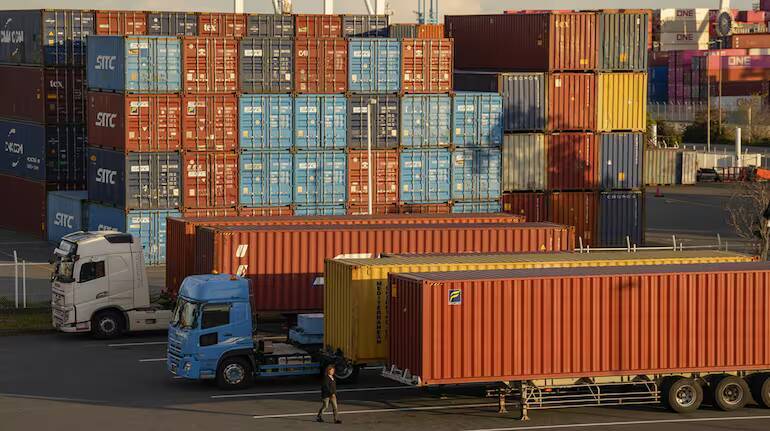
Tariff-hit exporters seek duty rationalisation in Budget 2026
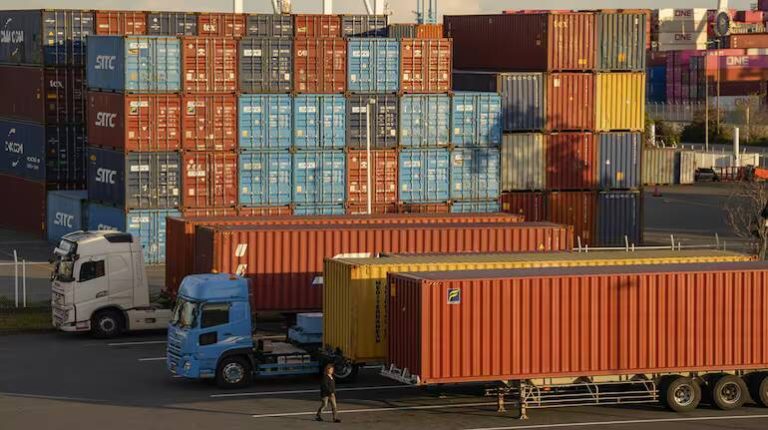
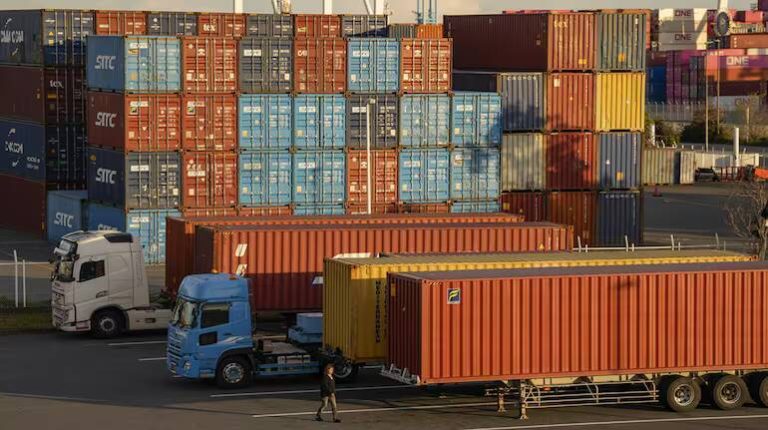
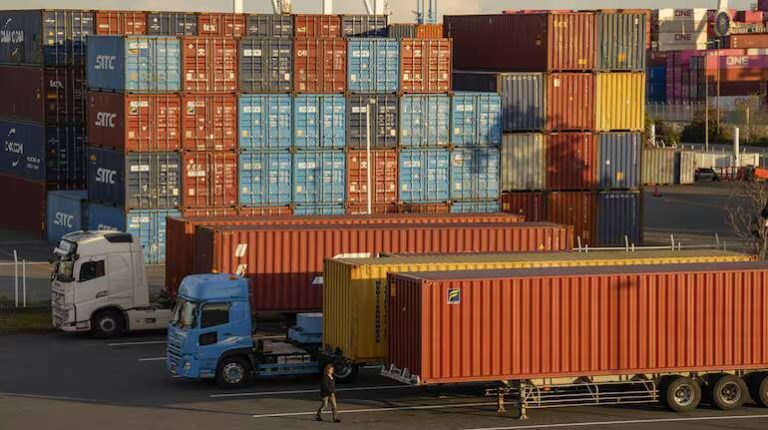
As the Union Budget for 2026 approaches, exporters from various tariff-hit sectors are seeking measures to remain competitive in overseas markets. The recent imposition of higher tariffs on most Indian exports by the US has significantly affected sectors like textiles, apparel, gems and jewellery, and chemicals. In this challenging scenario, the industry is urging the government to introduce customs duty rationalisation, support for Micro, Small, and Medium Enterprises (MSMEs), incentives for clean energy use, and technology upgrades in the upcoming Budget.
The US has been a significant market for Indian exporters, but the new tariffs have made it difficult for them to compete with other countries. The higher tariffs have increased the cost of Indian exports, making them less attractive to buyers in the US. This has resulted in a decline in exports from these sectors, affecting the livelihoods of thousands of people employed in these industries. To mitigate the impact of these tariffs, exporters are seeking relief from the government in the form of duty rationalisation.
Customs Duty Rationalisation: A Key Demand
Customs duty rationalisation is a key demand of the exporters. They are seeking a reduction in customs duties on raw materials and intermediates used in the production of export goods. This will help reduce the cost of production and make Indian exports more competitive in the global market. The industry is also seeking a simplification of the customs duty structure, with a reduction in the number of duty rates and exemptions.
The Federation of Indian Export Organisations (FIEO) has been actively pushing for customs duty rationalisation. The FIEO has suggested that the government should reduce the customs duty on raw materials and intermediates to 5% or less. This will help exporters to reduce their costs and remain competitive in the global market. The FIEO has also suggested that the government should introduce a duty drawback scheme, which will allow exporters to claim a refund of the duties paid on raw materials and intermediates used in the production of export goods.
Support for MSMEs
MSMEs are a critical component of the export sector, and they have been severely affected by the tariff hikes. The MSME sector accounts for a significant proportion of India’s exports, and it is essential to provide support to these enterprises to help them remain competitive. The industry is seeking support for MSMEs in the form of easy access to credit, technology upgrades, and training and development programs.
The government has already introduced several initiatives to support MSMEs, including the Pradhan Mantri MUDRA Yojana (PMMY) and the Credit Guarantee Fund Scheme for Micro and Small Enterprises (CGFMSE). However, the industry is seeking more support, including a reduction in the interest rates on loans to MSMEs and an increase in the credit guarantee limit under the CGFMSE.
Incentives for Clean Energy Use
The use of clean energy is becoming increasingly important, and the industry is seeking incentives to promote the use of renewable energy sources. The government has already introduced several initiatives to promote the use of clean energy, including the Renewable Energy Certificate (REC) mechanism and the Solar Park Scheme. However, the industry is seeking more incentives, including a reduction in the customs duty on equipment used in the production of renewable energy.
The use of clean energy will not only help reduce the carbon footprint of Indian exporters but also make them more competitive in the global market. Many countries are now imposing carbon taxes on imports, and Indian exporters will need to comply with these regulations to remain competitive. The industry is seeking support from the government to help them comply with these regulations and reduce their carbon footprint.
Technology Upgrades
Technology upgrades are essential to remain competitive in the global market. The industry is seeking support from the government to upgrade their technology and improve their productivity. The government has already introduced several initiatives to promote technology upgrades, including the Scheme for Upgradation of Technology (SUT) and the Technology Upgradation Fund Scheme (TUFS). However, the industry is seeking more support, including a reduction in the customs duty on equipment used in the production of export goods.
The use of technology will not only help improve the productivity of Indian exporters but also make them more competitive in the global market. The industry is seeking support from the government to help them adopt new technologies, including artificial intelligence, blockchain, and the Internet of Things (IoT).
Conclusion
The tariff hikes imposed by the US have significantly affected Indian exporters, and it is essential to provide support to these industries to help them remain competitive. The industry is seeking customs duty rationalisation, support for MSMEs, incentives for clean energy use, and technology upgrades in the upcoming Budget. The government should consider these demands and introduce measures to support the export sector. This will not only help Indian exporters to remain competitive but also promote economic growth and development.
The government should also consider the long-term implications of the tariff hikes and take measures to reduce the country’s dependence on exports to the US. This can be done by diversifying the export basket and promoting exports to other countries. The government should also engage in diplomatic efforts to resolve the trade disputes with the US and other countries.
In conclusion, the tariff hikes imposed by the US have created a challenging situation for Indian exporters. However, with the right support from the government, these industries can remain competitive and continue to contribute to the country’s economic growth and development.
About the Author