Tariff-hit exporters seek duty rationalisation in Budget 2026
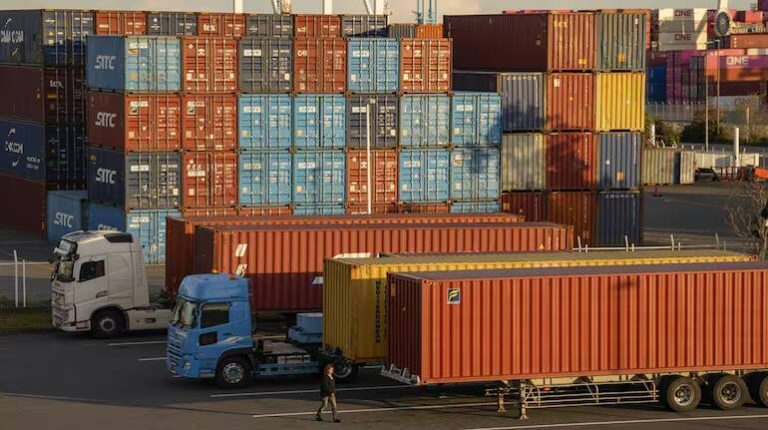
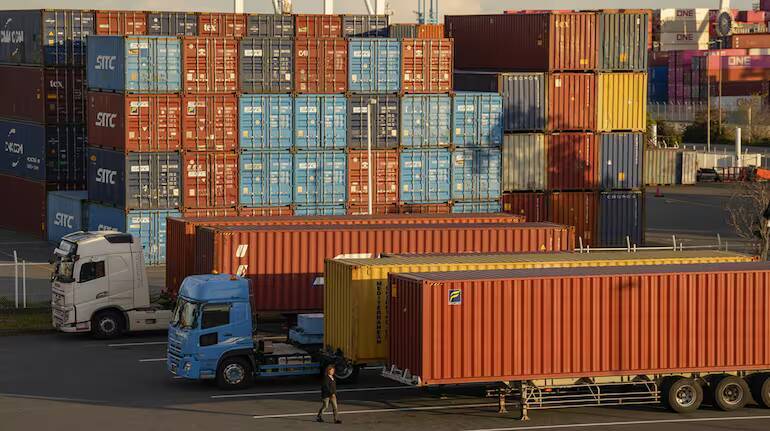
The Indian export sector is facing significant challenges due to the imposition of higher tariffs by the United States on most Indian exports. This has severely affected various sectors, including textiles, apparel, gems and jewellery, and chemicals. As a result, exporters from these tariff-hit sectors are seeking measures like customs duty rationalisation to remain competitive in overseas markets in the upcoming Budget 2026. According to a report by Moneycontrol, the industry is urging the government to provide relief and support to help them navigate these difficult times.
The US has imposed higher tariffs on Indian exports, making it difficult for Indian exporters to compete with their global counterparts. The tariffs have increased the cost of Indian products, making them less competitive in the international market. This has resulted in a decline in exports from India, affecting the livelihoods of millions of people employed in these sectors. The exporters are seeking measures like customs duty rationalisation, which would help reduce the cost of production and make Indian products more competitive in the global market.
One of the key demands of the exporters is the rationalisation of customs duty. The current customs duty structure is complex and has multiple rates, which makes it difficult for exporters to comply with the regulations. The exporters are seeking a simplified customs duty structure with lower rates, which would help reduce the cost of production and increase competitiveness. The government can consider reducing the customs duty rates on raw materials and intermediates used in the production of export goods, which would help reduce the cost of production and make Indian products more competitive.
Another key demand of the exporters is support for Micro, Small, and Medium Enterprises (MSMEs). MSMEs are the backbone of the Indian economy, and they play a crucial role in the export sector. However, they face significant challenges due to limited access to finance, technology, and markets. The exporters are seeking support for MSMEs, including access to finance, technology upgradation, and market access. The government can consider providing incentives like subsidies, tax breaks, and easy access to finance to MSMEs, which would help them compete with larger players in the export market.
The use of clean energy is another area where the exporters are seeking support. The Indian government has set ambitious targets to reduce carbon emissions and promote the use of clean energy. The exporters are seeking incentives to promote the use of clean energy, such as solar and wind power, in their production processes. The use of clean energy would not only help reduce carbon emissions but also reduce the cost of production and make Indian products more competitive in the global market. The government can consider providing incentives like tax breaks, subsidies, and low-interest loans to exporters who adopt clean energy technologies.
Technology upgradation is another area where the exporters are seeking support. The Indian export sector is facing significant challenges due to the lack of technology upgradation. The exporters are seeking support to upgrade their technology, including the adoption of digital technologies like artificial intelligence, blockchain, and the Internet of Things (IoT). The use of digital technologies would help improve efficiency, reduce costs, and increase competitiveness. The government can consider providing incentives like subsidies, tax breaks, and easy access to finance to exporters who adopt digital technologies.
In conclusion, the Indian export sector is facing significant challenges due to the imposition of higher tariffs by the US. The exporters from tariff-hit sectors are seeking measures like customs duty rationalisation, MSME support, clean energy use, and tech upgrades to remain competitive in overseas markets. The government can consider providing relief and support to the exporters, including rationalising customs duty, providing incentives to MSMEs, promoting the use of clean energy, and supporting technology upgradation. These measures would help the Indian export sector navigate the challenging times and remain competitive in the global market.
The upcoming Budget 2026 is an opportunity for the government to provide relief and support to the exporters. The government can consider the demands of the exporters and provide measures to support the export sector. This would not only help the exporters but also contribute to the growth of the Indian economy.
In the long run, the Indian export sector has the potential to drive economic growth and create jobs. However, it requires support and relief from the government to navigate the challenging times. The government can consider providing a stable and predictable policy environment, which would help the exporters plan and invest for the future. The government can also consider providing support to the exporters to diversify their markets and products, which would help reduce dependence on a few markets and products.
Overall, the Indian export sector is facing significant challenges, but it also has the potential to drive economic growth and create jobs. The government can consider providing relief and support to the exporters, including customs duty rationalisation, MSME support, clean energy use, and tech upgrades. These measures would help the Indian export sector navigate the challenging times and remain competitive in the global market.
About the Author