Tariff-hit exporters seek duty rationalisation in Budget 2026
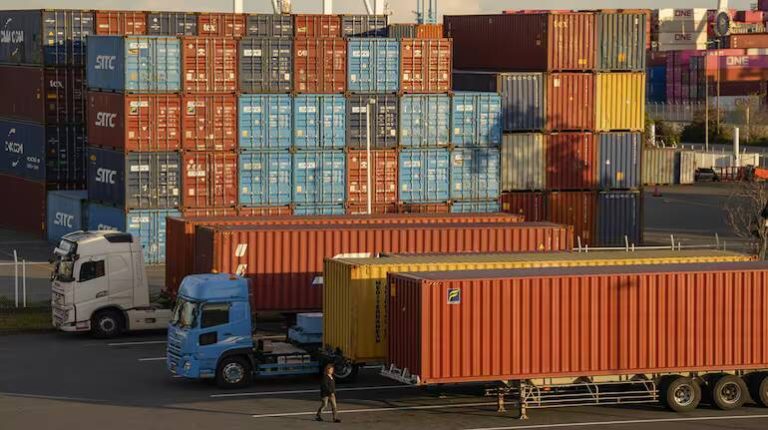
As the Indian government prepares to unveil the Budget for 2026, exporters from various sectors are eagerly awaiting measures that will help them remain competitive in overseas markets. The recent imposition of higher tariffs by the US on most Indian exports has severely impacted sectors such as textiles, apparel, gems and jewellery, and chemicals. In light of these challenges, exporters are seeking relief in the form of customs duty rationalisation, among other measures, to stay afloat in the global market.
The US has been a significant market for Indian exporters, but the increased tariffs have made it difficult for them to compete with other countries. The textile industry, for instance, has been particularly affected, with exporters facing tariffs of up to 17% on certain products. Similarly, the gems and jewellery sector has seen a decline in exports due to higher tariffs, which have made Indian products less competitive in the US market. The chemical industry has also been impacted, with exporters facing tariffs of up to 10% on certain products.
In this context, exporters are urging the government to introduce measures that will help them mitigate the impact of these tariffs. One of the key demands is for customs duty rationalisation, which would involve reducing or eliminating duties on certain imports that are used as raw materials or intermediate goods in the production of export-oriented products. This would help reduce the cost of production for exporters and make their products more competitive in the global market.
Another area where exporters are seeking relief is in the area of carbon compliance. With many countries, including the US, imposing carbon taxes or other environmental levies on imported goods, Indian exporters are facing an additional burden. They are urging the government to provide relief on this front, such as by introducing measures that would help them comply with international environmental standards or by providing incentives for the use of clean energy.
The Micro, Small, and Medium Enterprises (MSME) sector, which is a significant contributor to India’s exports, is also seeking support from the government. MSMEs are often struggling to cope with the impact of higher tariffs, and are seeking measures such as easy access to credit, subsidies, and other forms of support to help them stay afloat. The government is being urged to introduce measures that would help MSMEs upgrade their technology and improve their competitiveness, such as by providing incentives for the adoption of digital technologies or by setting up training programs for entrepreneurs.
In addition to these measures, exporters are also seeking support for technology upgradation. With the global market becoming increasingly competitive, Indian exporters need to invest in new technologies and processes to stay ahead of the curve. They are seeking government support in the form of subsidies, grants, or other incentives to help them upgrade their technology and improve their productivity.
The upcoming Budget is seen as a crucial opportunity for the government to introduce measures that will help tariff-hit exporters. The industry is eagerly awaiting the government’s response to their demands, and is hoping that the Budget will include measures that will help them stay competitive in the global market. With the global economy facing significant challenges, including rising protectionism and trade tensions, the Indian government needs to take proactive steps to support its exporters and help them navigate these challenges.
In conclusion, the Indian export sector is facing significant challenges due to the imposition of higher tariffs by the US and other countries. Exporters are seeking relief in the form of customs duty rationalisation, carbon compliance relief, MSME support, and technology upgradation. The government needs to take proactive steps to support its exporters and help them stay competitive in the global market. The upcoming Budget is a crucial opportunity for the government to introduce measures that will help tariff-hit exporters, and the industry is eagerly awaiting the government’s response to their demands.
About the Author