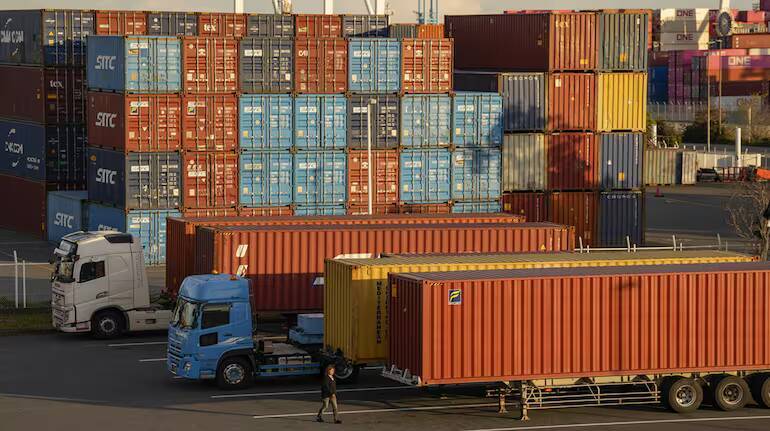
Tariff-hit exporters seek duty rationalisation in Budget 2026
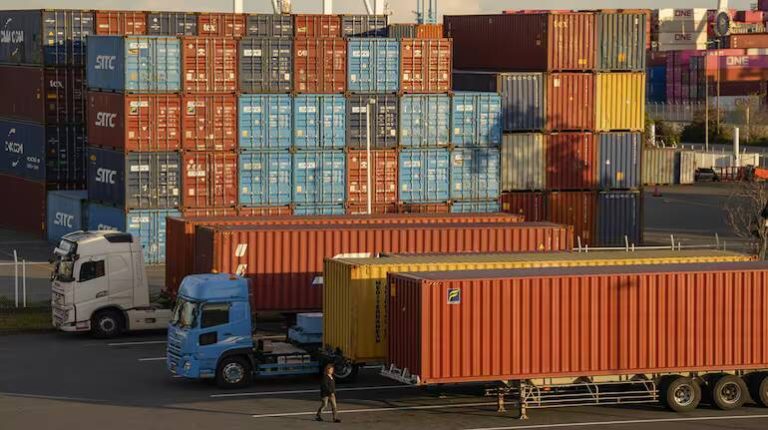
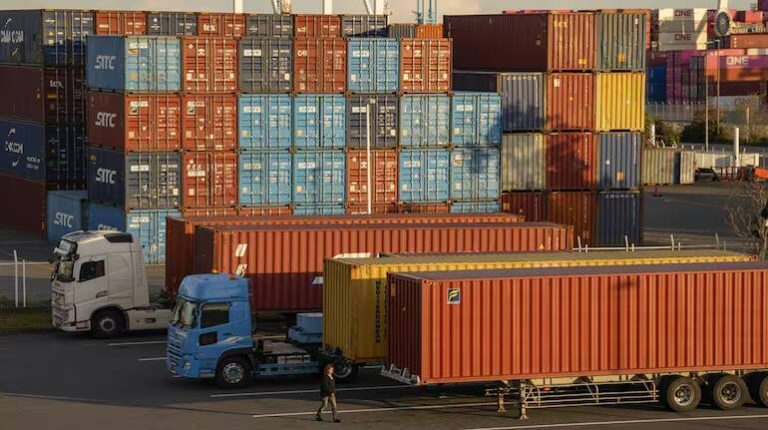
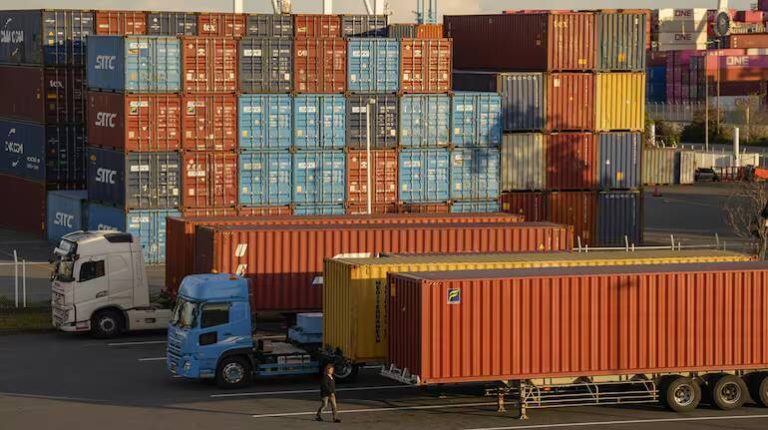
The upcoming Budget 2026 is being closely watched by exporters from various sectors, particularly those that have been hit by tariffs imposed by countries like the United States. The US has imposed higher tariffs on most Indian exports, affecting sectors such as textiles, apparel, gems and jewellery, and chemicals. In order to remain competitive in overseas markets, these exporters are seeking measures like customs duty rationalisation in the upcoming Budget.
The industry is urging the government to take steps to support Micro, Small, and Medium Enterprises (MSMEs), promote the use of clean energy, and facilitate technological upgrades. These measures are expected to help exporters cope with the challenges posed by the tariffs and maintain their competitiveness in the global market. The government’s response to these demands will be crucial in determining the fate of India’s export sector, which has been facing significant challenges in recent times.
One of the key demands of the exporters is customs duty rationalisation. The current customs duty structure is complex and often leads to increased costs for exporters. By rationalising customs duties, the government can help reduce the burden on exporters and make Indian products more competitive in the global market. This is particularly important for sectors like textiles and apparel, which are heavily dependent on exports and have been badly hit by the tariffs imposed by the US.
Another area of concern for exporters is the increasing emphasis on carbon compliance. Many countries, including the US, are imposing carbon taxes and other measures to reduce greenhouse gas emissions. Indian exporters need to comply with these regulations in order to access these markets. However, the cost of compliance can be high, and many MSMEs may struggle to bear the burden. The industry is urging the government to provide relief to exporters on carbon compliance, particularly for MSMEs.
The use of clean energy is another area where the government can provide support to exporters. The shift to clean energy is becoming increasingly important, and many countries are offering incentives to companies that adopt renewable energy sources. The Indian government can also offer similar incentives to exporters, helping them to reduce their carbon footprint and comply with international regulations. This can be in the form of subsidies, tax breaks, or other benefits that encourage the adoption of clean energy.
Technological upgrades are also essential for exporters to remain competitive in the global market. The government can provide support for technological upgrades, particularly for MSMEs, which may not have the resources to invest in new technologies. This can be in the form of funding, tax breaks, or other incentives that encourage the adoption of new technologies.
The MSME sector is a critical component of India’s export sector, and the government needs to provide adequate support to this sector. MSMEs face a range of challenges, including limited access to finance, inadequate infrastructure, and lack of technological expertise. The government can address these challenges by providing targeted support to MSMEs, such as funding, training, and mentorship programs.
In conclusion, the upcoming Budget 2026 is a critical opportunity for the government to address the concerns of tariff-hit exporters. By providing measures like customs duty rationalisation, carbon compliance relief, and support for clean energy and technological upgrades, the government can help exporters remain competitive in overseas markets. The industry is urging the government to take a proactive approach to support MSMEs, which are the backbone of India’s export sector. The government’s response to these demands will be closely watched by the industry, and it is expected to have a significant impact on the future of India’s export sector.
The US has imposed tariffs on a wide range of Indian exports, including textiles, apparel, gems and jewellery, and chemicals. These tariffs have increased the cost of Indian products in the US market, making them less competitive compared to products from other countries. The Indian government needs to take steps to mitigate the impact of these tariffs and support exporters in accessing other markets.
The demand for customs duty rationalisation is not limited to the export sector. Many industries, including the manufacturing sector, have been seeking reforms in the customs duty structure. The current structure is complex and often leads to increased costs for manufacturers. By rationalising customs duties, the government can help reduce the burden on manufacturers and make Indian products more competitive in the domestic market.
The emphasis on carbon compliance is also expected to increase in the coming years. Many countries are imposing carbon taxes and other measures to reduce greenhouse gas emissions, and Indian exporters need to comply with these regulations in order to access these markets. The government can provide relief to exporters on carbon compliance, particularly for MSMEs, by offering subsidies, tax breaks, or other benefits that encourage the adoption of clean energy.
The use of clean energy is becoming increasingly important, and many countries are offering incentives to companies that adopt renewable energy sources. The Indian government can also offer similar incentives to exporters, helping them to reduce their carbon footprint and comply with international regulations. This can be in the form of subsidies, tax breaks, or other benefits that encourage the adoption of clean energy.
In order to support exporters, the government can also invest in infrastructure development, particularly in ports and logistics. The lack of adequate infrastructure is a major constraint for exporters, and the government can address this challenge by investing in the development of ports, airports, and other logistics infrastructure. This can help reduce the cost of exports and make Indian products more competitive in the global market.
The MSME sector is a critical component of India’s export sector, and the government needs to provide adequate support to this sector. MSMEs face a range of challenges, including limited access to finance, inadequate infrastructure, and lack of technological expertise. The government can address these challenges by providing targeted support to MSMEs, such as funding, training, and mentorship programs.
In conclusion, the upcoming Budget 2026 is a critical opportunity for the government to address the concerns of tariff-hit exporters. By providing measures like customs duty rationalisation, carbon compliance relief, and support for clean energy and technological upgrades, the government can help exporters remain competitive in overseas markets. The industry is urging the government to take a proactive approach to support MSMEs, which are the backbone of India’s export sector.
About the Author