Tariff-hit exporters seek duty rationalisation in Budget 2026
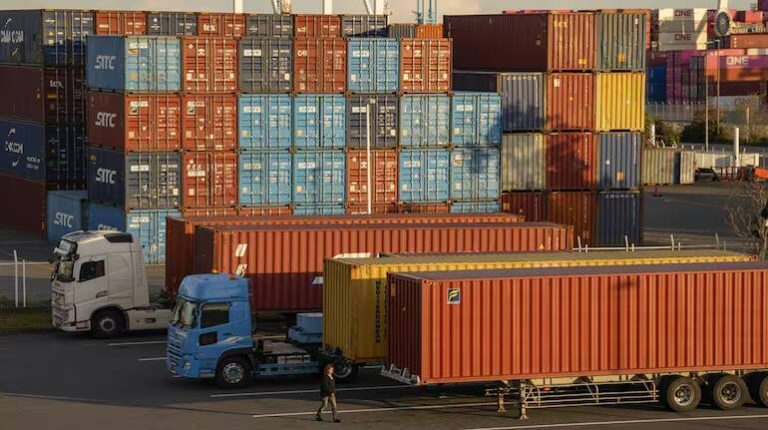
The upcoming Budget 2026 has become a beacon of hope for exporters from tariff-hit sectors, who are seeking measures like customs duty rationalisation to remain competitive in overseas markets. According to a report by Moneycontrol, the industry is urging the government to introduce policies that will help them navigate the challenging landscape of international trade. The plea comes at a time when the US has imposed higher tariffs on most Indian exports, affecting sectors like textiles, apparel, gems and jewellery, and chemicals.
The imposition of higher tariffs by the US has dealt a significant blow to Indian exporters, who are struggling to remain competitive in the global market. The increased tariffs have resulted in higher costs for exporters, making it difficult for them to price their products competitively. As a result, exporters are seeking relief from the government in the form of customs duty rationalisation, which they believe will help them offset the impact of higher tariffs.
The textiles and apparel sector, which is one of the largest employment generators in the country, has been particularly affected by the higher tariffs. The sector is seeking a reduction in customs duty on raw materials and machinery to help reduce costs and remain competitive. Similarly, the gems and jewellery sector, which is another significant contributor to India’s exports, is seeking relief from the government in the form of reduced customs duty on gold and other precious metals.
In addition to customs duty rationalisation, exporters are also seeking support for Micro, Small, and Medium Enterprises (MSMEs), which are the backbone of the Indian economy. MSMEs play a crucial role in the export sector, and their growth is essential for the country’s economic development. Exporters are urging the government to provide MSMEs with access to affordable credit, technology upgrades, and training to help them scale up their operations and become more competitive in the global market.
Another area of concern for exporters is the increasing emphasis on clean energy and carbon compliance. With many countries imposing stricter regulations on carbon emissions, Indian exporters are seeking relief from the government in the form of incentives for adopting clean energy technologies. The industry is urging the government to provide subsidies and tax breaks for companies that invest in renewable energy sources, such as solar and wind power, to help reduce their carbon footprint.
The use of technology is also becoming increasingly important for exporters, who need to stay ahead of the curve to remain competitive. Exporters are seeking support from the government in the form of funding for technology upgrades, such as artificial intelligence, blockchain, and the Internet of Things (IoT). These technologies can help exporters streamline their operations, reduce costs, and improve efficiency, making them more competitive in the global market.
In conclusion, the upcoming Budget 2026 is a crucial opportunity for the government to provide relief to tariff-hit exporters. The industry is seeking measures like customs duty rationalisation, MSME support, clean energy use, and tech upgrades to help them navigate the challenging landscape of international trade. The government must take heed of these demands and introduce policies that will help exporters remain competitive and drive economic growth.
As the country prepares for the Budget 2026, exporters are anxiously waiting to see if their demands will be met. The government must strike a balance between the needs of different sectors and introduce policies that will benefit the economy as a whole. With the right policies in place, India can continue to grow as a major player in international trade, and exporters can thrive in the global market.
The government’s response to the demands of tariff-hit exporters will be closely watched in the upcoming Budget 2026. The industry is hoping that the government will take a proactive approach to addressing their concerns and introduce measures that will help them remain competitive. As the country looks to drive economic growth and create jobs, the government must prioritize the needs of exporters and introduce policies that will help them succeed.
In the end, the success of Indian exporters will depend on the government’s ability to create a favorable business environment. The upcoming Budget 2026 is an opportunity for the government to demonstrate its commitment to supporting the export sector and driving economic growth. By introducing measures like customs duty rationalisation, MSME support, clean energy use, and tech upgrades, the government can help tariff-hit exporters navigate the challenges of international trade and thrive in the global market.
About the Author