Tariff-hit exporters seek duty rationalisation in Budget 2026
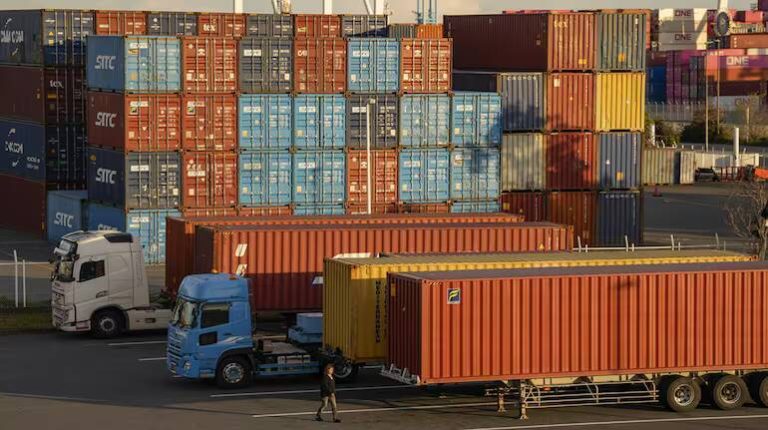
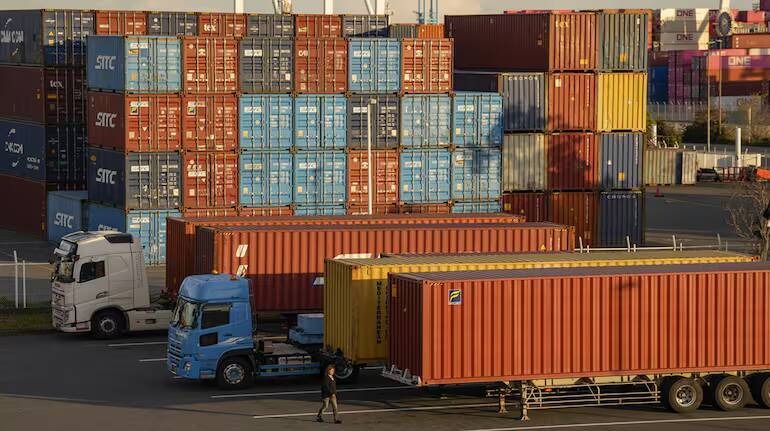
The upcoming Budget 2026 is being closely watched by exporters from tariff-hit sectors, who are seeking measures like customs duty rationalisation to remain competitive in overseas markets. This comes as the US has imposed higher tariffs on most Indian exports, affecting sectors like textiles, apparel, gems and jewellery, and chemicals. The industry is urging the government to provide support to Micro, Small, and Medium Enterprises (MSMEs), promote the use of clean energy, and facilitate technological upgrades to help them stay afloat in the face of increasing global competition.
The tariffs imposed by the US have had a significant impact on Indian exporters, with many struggling to remain competitive in the global market. The textiles and apparel sector, for instance, has been hit hard by the tariffs, with exports to the US declining significantly. Similarly, the gems and jewellery sector has also been affected, with exporters facing higher tariffs on their products. The chemicals sector has also been impacted, with many exporters facing difficulties in accessing the US market due to the higher tariffs.
In this context, the industry is seeking measures like customs duty rationalisation to help reduce the cost of exports and make them more competitive in the global market. The industry is also seeking relief from carbon compliance, which is becoming an increasingly important factor in international trade. Many countries, including the US, are imposing carbon taxes on imports, which is making it difficult for Indian exporters to compete.
The MSME sector, which is a significant contributor to India’s exports, is also seeking support from the government. The sector is facing numerous challenges, including limited access to finance, inadequate infrastructure, and lack of technological upgrades. The industry is urging the government to provide support to MSMEs, including easy access to finance, subsidies for technological upgrades, and investment in infrastructure.
The use of clean energy is also becoming increasingly important for Indian exporters, as many countries are now imposing strict environmental standards on imports. The industry is seeking incentives for the use of clean energy, including subsidies for the installation of solar panels and wind turbines. This will not only help reduce the carbon footprint of Indian exports but also make them more competitive in the global market.
Technological upgrades are also critical for Indian exporters, as they need to stay ahead of the competition in terms of technology and innovation. The industry is seeking support for technological upgrades, including subsidies for the adoption of new technologies, investment in research and development, and training programs for workers.
In addition to these measures, the industry is also seeking a stable and predictable policy framework, which will help them plan and invest for the long term. The government’s decision to impose tariffs on certain imports has been welcomed by the industry, as it will help protect domestic manufacturers and create a level playing field. However, the industry is also seeking a more nuanced approach to trade policy, which takes into account the interests of both domestic manufacturers and exporters.
Overall, the upcoming Budget 2026 is critical for Indian exporters, who are seeking measures to help them remain competitive in the global market. The industry is urging the government to provide support to MSMEs, promote the use of clean energy, and facilitate technological upgrades. With the right policies and support, Indian exporters can continue to thrive and contribute to the country’s economic growth.
In conclusion, the tariff-hit exporters are seeking duty rationalisation in the upcoming Budget 2026 to remain competitive in overseas markets. The industry is urging for MSME support, clean energy use, and tech upgrades to help them stay afloat in the face of increasing global competition. The government’s response to these demands will be critical in determining the future of Indian exports and the country’s economic growth.
About the Author