Tariff-hit exporters seek duty rationalisation in Budget 2026
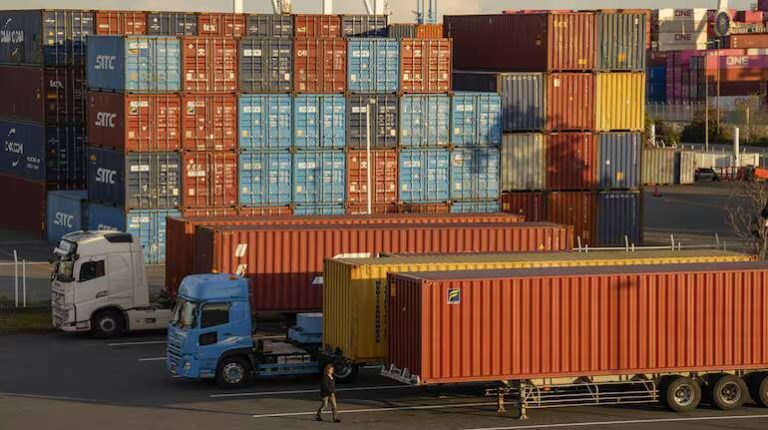
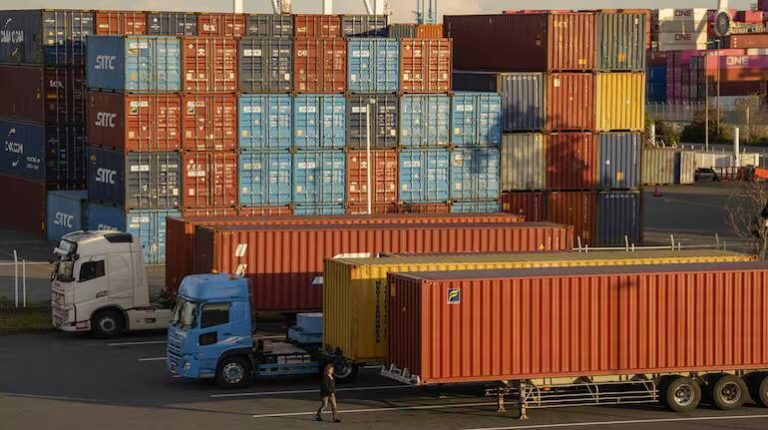
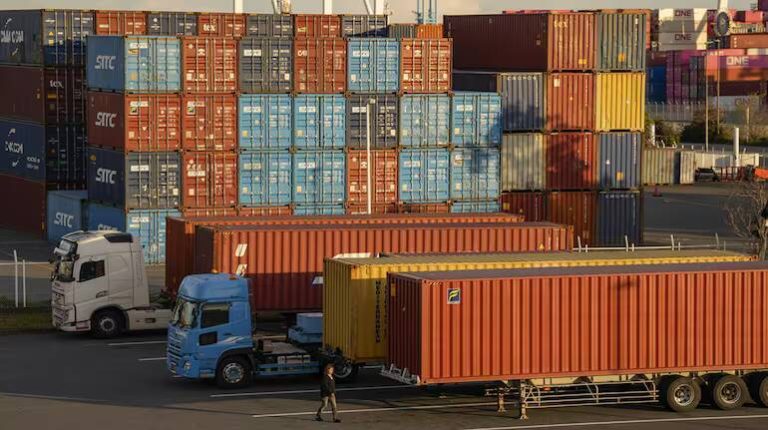
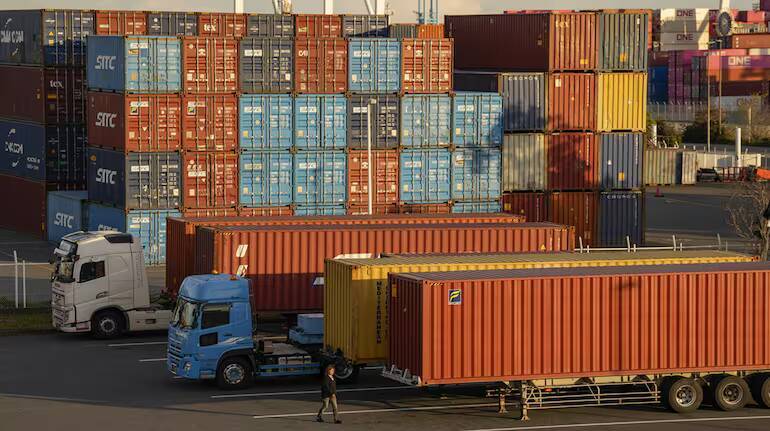
As the Indian government prepares to unveil the Budget for 2026, exporters from various tariff-hit sectors are pinning their hopes on the government to introduce measures that will help them remain competitive in overseas markets. The US has recently imposed higher tariffs on most Indian exports, affecting key sectors such as textiles, apparel, gems and jewellery, and chemicals. In this context, the industry is seeking customs duty rationalisation, support for micro, small, and medium enterprises (MSMEs), incentives for clean energy use, and technological upgrades to stay ahead in the global market.
The imposition of higher tariffs by the US has dealt a significant blow to Indian exporters, who are already struggling to cope with the challenges of a slowing global economy. The increased tariffs have made Indian products more expensive in the US market, affecting demand and ultimately impacting the bottom line of exporters. To mitigate this impact, the industry is urging the government to take corrective measures in the upcoming Budget.
One of the key demands of the exporters is customs duty rationalisation. The current duty structure is complex and often leads to cascading effects, making Indian products uncompetitive in the global market. The industry is seeking a simplified and rationalised duty structure that will reduce the burden on exporters and help them compete with their global peers. This could involve reducing or eliminating duties on certain inputs, simplifying the duty exemption process, and introducing measures to prevent duty evasion.
Another area of concern for exporters is the lack of support for MSMEs. These small and medium-sized enterprises are the backbone of India’s export sector, but they often struggle to access credit, technology, and other resources. The industry is seeking measures such as easy access to credit, subsidies for technology upgrades, and training programs to enhance the competitiveness of MSMEs. This will not only help MSMEs survive in a challenging global environment but also enable them to grow and expand their exports.
The use of clean energy is another area where exporters are seeking support. As the world transitions to a more sustainable and environmentally-friendly economy, Indian exporters need to adapt to these changes to remain competitive. The industry is seeking incentives for the use of renewable energy sources, such as solar and wind power, and measures to reduce their carbon footprint. This could involve subsidies for the installation of solar panels, wind turbines, or other renewable energy systems, as well as tax breaks for companies that invest in clean energy.
Technological upgrades are also critical for Indian exporters to stay ahead in the global market. The industry is seeking support for the adoption of new technologies, such as artificial intelligence, blockchain, and the Internet of Things (IoT). These technologies can help exporters streamline their operations, improve efficiency, and enhance their competitiveness. The government could provide subsidies or tax breaks for companies that invest in these technologies, as well as provide training programs to help exporters develop the necessary skills.
The textiles and apparel sector is one of the hardest hit by the US tariffs. Indian textile exporters are seeking measures such as duty-free access to the US market, subsidies for technology upgrades, and support for marketing and branding initiatives. The gems and jewellery sector is also seeking relief, including a reduction in duties on gold and diamond imports, as well as support for marketing and branding initiatives.
The chemicals sector is another key area of concern, with exporters seeking measures such as duty rationalisation, support for research and development, and incentives for the use of clean energy. The industry is also seeking relief from the impact of the US tariffs, including measures such as anti-dumping duties and countervailing duties.
In conclusion, the upcoming Budget presents an opportunity for the government to address the concerns of tariff-hit exporters and provide them with the support they need to remain competitive in overseas markets. The industry is seeking measures such as customs duty rationalisation, support for MSMEs, incentives for clean energy use, and technological upgrades. By providing these measures, the government can help Indian exporters navigate the challenges of a slowing global economy and stay ahead in the competitive global market.
About the Author