Tariff-hit exporters seek duty rationalisation in Budget 2026
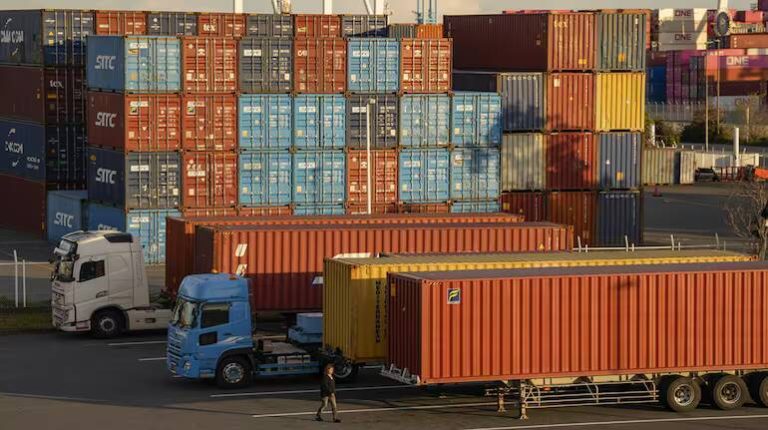
As the Indian government prepares to unveil the Budget for 2026, exporters from various tariff-hit sectors are pinning their hopes on measures that can help them regain their competitive edge in overseas markets. With the US imposing higher tariffs on most Indian exports, the impact has been felt across sectors such as textiles, apparel, gems and jewellery, and chemicals. To mitigate the effects of these tariffs, exporters are seeking customs duty rationalisation, among other measures, to stay afloat in the global market.
The US tariffs have been a major blow to Indian exporters, who are already struggling to cope with the challenges of a rapidly changing global trade landscape. The tariffs have increased the cost of Indian exports, making them less competitive in the US market. As a result, Indian exporters are facing significant losses, and many are on the verge of shutting down their operations. To avoid this scenario, the government needs to take urgent measures to support these exporters and help them stay competitive.
One of the key demands of the exporters is customs duty rationalisation. They argue that the current duty structure is complex and cumbersome, with multiple rates and exemptions that create confusion and increase compliance costs. A simplified and rationalised duty structure would help reduce the burden on exporters and make Indian products more competitive in the global market. Additionally, it would also help to reduce the scope for corruption and abuse, as a simpler duty structure would be easier to administer and monitor.
Another area where exporters are seeking support is in the use of clean energy. With the global focus shifting towards sustainability and environmental protection, Indian exporters need to adapt to these changing trends to remain competitive. The use of clean energy, such as solar and wind power, can help reduce the carbon footprint of Indian exports and make them more attractive to environmentally conscious consumers. However, the high cost of transitioning to clean energy is a major barrier for many exporters, who are seeking government support to make this transition smoother.
The Micro, Small, and Medium Enterprises (MSME) sector is another area where exporters are seeking support. MSMEs are the backbone of the Indian economy, and they play a crucial role in the export sector. However, they face numerous challenges, including limited access to finance, inadequate infrastructure, and lack of technological support. To address these challenges, the government needs to provide targeted support to MSMEs, including easy access to finance, tax incentives, and technological upgrades.
Technological upgrades are another critical area where exporters are seeking support. With the rapid pace of technological change, Indian exporters need to stay ahead of the curve to remain competitive. This includes investing in new technologies, such as artificial intelligence, blockchain, and the Internet of Things (IoT), to improve efficiency, reduce costs, and enhance product quality. However, the high cost of technological upgrades is a major barrier for many exporters, who are seeking government support to make this transition smoother.
The upcoming Budget provides an opportunity for the government to address these concerns and provide support to tariff-hit exporters. By rationalising customs duties, providing support for clean energy use, and promoting MSMEs and technological upgrades, the government can help Indian exporters regain their competitive edge in the global market. This, in turn, would help to boost exports, create jobs, and stimulate economic growth.
In conclusion, the Indian export sector is facing significant challenges, particularly in the wake of the US tariffs. To address these challenges, exporters are seeking support from the government, including customs duty rationalisation, support for clean energy use, MSME support, and technological upgrades. The upcoming Budget provides an opportunity for the government to provide this support and help Indian exporters stay competitive in the global market.
About the Author