Tariff-hit exporters seek duty rationalisation in Budget 2026
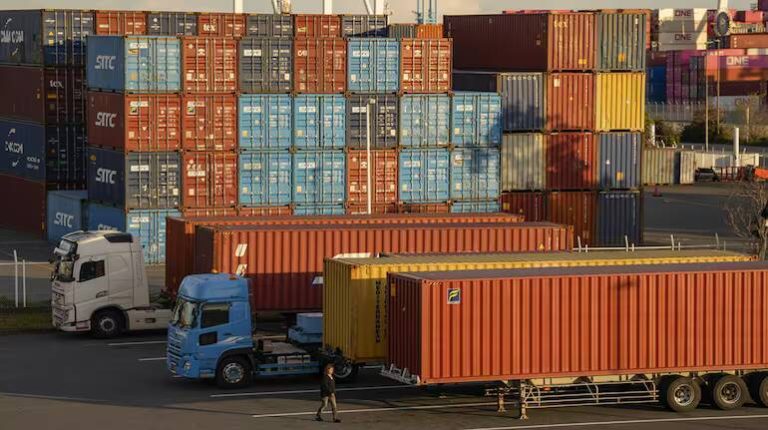
As the Indian government prepares to unveil the upcoming Budget for 2026, exporters from various sectors are pinning their hopes on measures that will help them remain competitive in overseas markets. The US has recently imposed higher tariffs on most Indian exports, affecting key sectors such as textiles, apparel, gems and jewellery, and chemicals. In response, the industry is seeking customs duty rationalisation, among other relief measures, to mitigate the impact of these tariffs.
The tariffs imposed by the US have dealt a significant blow to Indian exporters, who are already facing intense competition in global markets. The higher tariffs have made Indian products more expensive, reducing their attractiveness to foreign buyers. As a result, exporters are struggling to maintain their market share, and many are facing significant losses. To address this issue, the industry is urging the government to rationalise customs duties, which would help reduce the cost of production and make Indian products more competitive in the global market.
In addition to customs duty rationalisation, the industry is also seeking support for Micro, Small, and Medium Enterprises (MSMEs), which are the backbone of India’s export sector. MSMEs play a crucial role in generating employment and contributing to the country’s GDP. However, they often lack the resources and capabilities to compete with larger players in the global market. The government can provide support to MSMEs by offering incentives, such as subsidies, tax breaks, and access to credit, which would help them upgrade their technology and improve their competitiveness.
Another area where the industry is seeking relief is in the adoption of clean energy technologies. As the world transitions towards a more sustainable and environmentally-friendly economy, Indian exporters need to adapt to these changes to remain competitive. The government can provide incentives for the adoption of clean energy technologies, such as solar and wind power, which would help reduce the carbon footprint of Indian industries. This would not only help Indian exporters comply with increasingly stringent environmental regulations in overseas markets but also contribute to the country’s commitment to reduce its greenhouse gas emissions.
The industry is also seeking support for technology upgrades, which would help Indian exporters improve their productivity and efficiency. The government can provide incentives for the adoption of new technologies, such as artificial intelligence, robotics, and the Internet of Things (IoT), which would help Indian industries compete with their global peers. This would also help Indian exporters to move up the value chain and focus on high-value added products, which would command higher prices in the global market.
The US tariffs on Indian exports have also highlighted the need for India to diversify its export markets and reduce its dependence on traditional markets such as the US and Europe. The government can provide support to exporters to explore new markets, such as those in Africa, Latin America, and Southeast Asia, which offer significant opportunities for growth. This would help Indian exporters reduce their vulnerability to trade tensions and tariffs in traditional markets and increase their global market share.
In conclusion, the upcoming Budget for 2026 presents an opportunity for the government to address the concerns of tariff-hit exporters and provide relief measures to help them remain competitive in overseas markets. Customs duty rationalisation, MSME support, clean energy adoption, and technology upgrades are some of the key measures that the industry is seeking. By providing these support measures, the government can help Indian exporters navigate the challenges posed by the US tariffs and other trade barriers and achieve their full potential in the global market.
The government’s response to these demands will be critical in determining the fate of Indian exporters in the coming year. As the industry waits with bated breath for the Budget announcement, one thing is clear – the government needs to take proactive steps to support Indian exporters and help them remain competitive in an increasingly complex and challenging global trade environment.
About the Author