Tariff-hit exporters seek duty rationalisation in Budget 2026
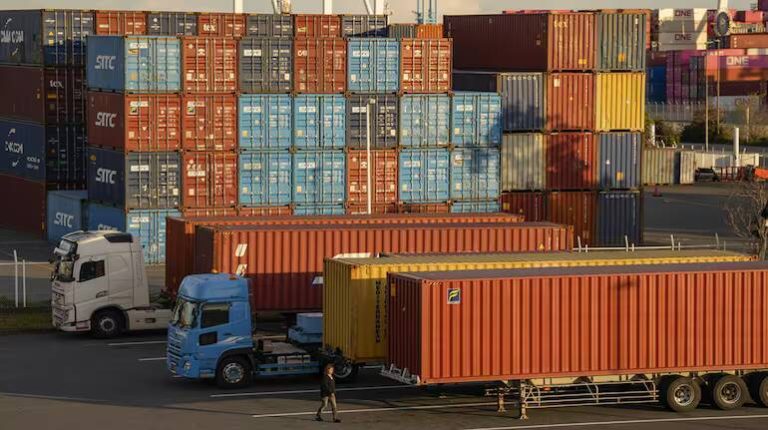
As the Indian government prepares to unveil the Budget 2026, exporters from various tariff-hit sectors are pinning their hopes on the upcoming fiscal plan to introduce measures that will help them remain competitive in overseas markets. According to a report by Moneycontrol, these exporters are seeking customs duty rationalisation, among other relief measures, to mitigate the impact of higher tariffs imposed by countries like the US on Indian exports.
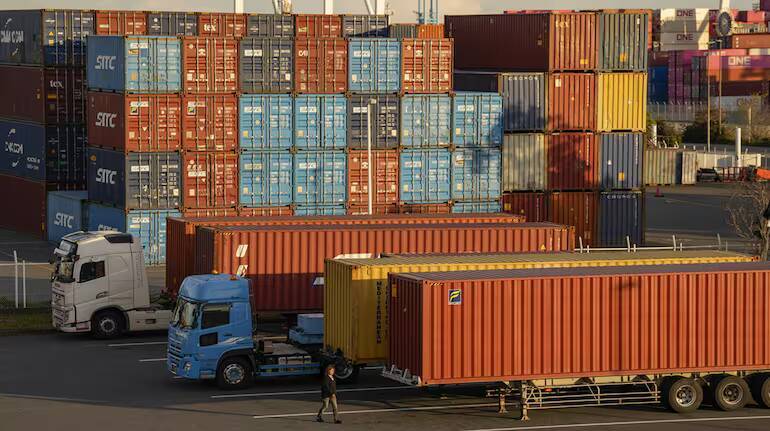
The US has recently imposed higher tariffs on most Indian exports, affecting key sectors such as textiles, apparel, gems and jewellery, and chemicals. This move has dealt a significant blow to Indian exporters, who are already struggling to cope with rising production costs, fluctuating currency rates, and intense global competition. The industry is now looking to the government for support and relief measures that will help them navigate these challenging times.
One of the primary demands of the exporters is customs duty rationalisation. They argue that the current duty structure is complex and cumbersome, making it difficult for them to compete with exporters from other countries. By rationalising customs duties, the government can help reduce the cost of production and make Indian exports more competitive in the global market. This, in turn, will help boost exports and contribute to the country’s economic growth.
In addition to customs duty rationalisation, the industry is also seeking support for Micro, Small, and Medium Enterprises (MSMEs). MSMEs are the backbone of India’s export sector, and they have been hit hard by the tariff hikes. The government can provide support to MSMEs by offering incentives, such as subsidies, tax breaks, and easy access to credit. This will help MSMEs to stay afloat and continue to export their products to overseas markets.
Another area where the industry is seeking relief is in the use of clean energy. With the growing emphasis on sustainability and reducing carbon footprint, exporters are facing increasing pressure to adopt clean energy sources and reduce their environmental impact. However, the cost of transitioning to clean energy can be prohibitively expensive for many exporters, particularly MSMEs. The government can provide incentives and subsidies to encourage exporters to adopt clean energy sources, such as solar and wind power, and reduce their reliance on fossil fuels.
The industry is also seeking support for technology upgrades. With the rapid pace of technological change, exporters need to stay up-to-date with the latest technologies and manufacturing processes to remain competitive. The government can provide support for technology upgrades by offering subsidies, tax breaks, and other incentives. This will help exporters to invest in new technologies and improve their productivity and efficiency.
The demand for duty rationalisation and other relief measures comes at a time when the Indian economy is facing significant challenges. The country’s exports have been declining in recent months, and the trade deficit has been widening. The government has set an ambitious target of increasing exports to $2 trillion by 2025, but achieving this goal will require significant support and relief measures for exporters.
In conclusion, the upcoming Budget 2026 provides an opportunity for the government to introduce measures that will support tariff-hit exporters and help them remain competitive in overseas markets. By rationalising customs duties, providing support to MSMEs, encouraging the use of clean energy, and supporting technology upgrades, the government can help boost exports and contribute to the country’s economic growth. The industry is pinning its hopes on the government to introduce these measures and provide relief to exporters who are struggling to cope with the impact of higher tariffs.
As the government prepares to unveil the Budget 2026, it is essential to remember that the export sector is a critical component of the Indian economy. By supporting exporters and providing them with the necessary relief measures, the government can help boost economic growth, create jobs, and increase the country’s competitiveness in the global market.
About the Author