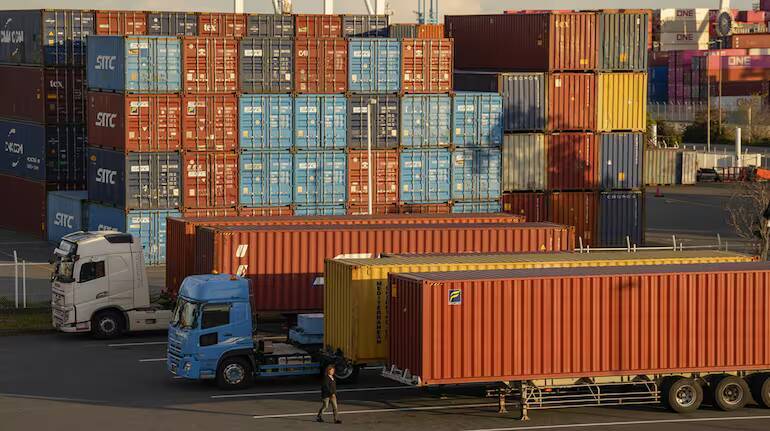
Tariff-hit exporters seek duty rationalisation in Budget 2026
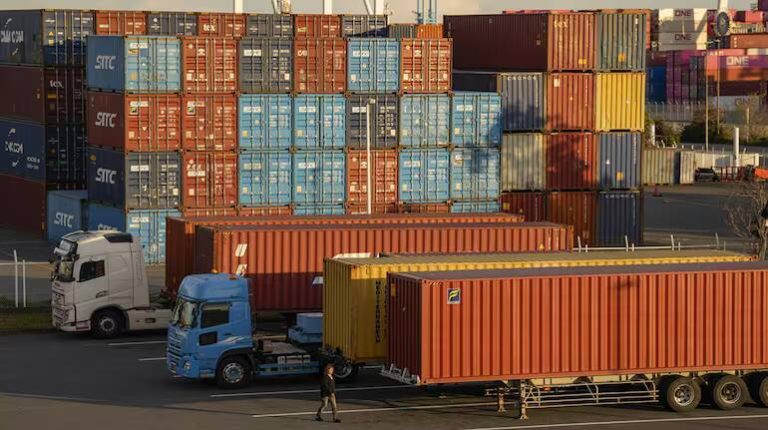
As the Indian government prepares to unveil the Budget for 2026, exporters from various sectors are pinning their hopes on the finance minister to introduce measures that will help them remain competitive in overseas markets. The US has imposed higher tariffs on most Indian exports, affecting key sectors like textiles, apparel, gems and jewellery, and chemicals. In this challenging scenario, exporters are seeking relief in the form of customs duty rationalisation, among other measures.
The imposition of higher tariffs by the US has dealt a significant blow to Indian exporters, who are struggling to maintain their market share in the face of increased competition from other countries. The textiles and apparel sector, for instance, is one of the largest employment generators in the country, with a significant portion of its production being exported to countries like the US. However, with the US imposing higher tariffs on Indian textile and apparel exports, the sector is facing a major crisis.
Similarly, the gems and jewellery sector, which is another significant contributor to India’s export earnings, is also facing the heat of higher US tariffs. The sector is not only facing increased competition from other countries but also struggling to cope with the rising costs of raw materials and labour. The chemicals sector, which is a critical component of various industries, including pharmaceuticals, textiles, and agriculture, is also facing the brunt of higher US tariffs.
In this backdrop, exporters from these tariff-hit sectors are seeking measures like customs duty rationalisation to remain competitive in overseas markets. They are urging the government to reduce customs duties on imported raw materials and intermediates, which would help bring down their production costs and make them more competitive in the global market.
Apart from customs duty rationalisation, exporters are also seeking support for Micro, Small, and Medium Enterprises (MSMEs), which are the backbone of the Indian economy. MSMEs play a critical role in the export sector, and their growth is essential for the country’s economic development. However, they face various challenges, including limited access to finance, inadequate infrastructure, and lack of technology.
The industry is also urging the government to promote the use of clean energy and provide incentives for the adoption of renewable energy sources. This would not only help reduce the carbon footprint of Indian industries but also make them more competitive in the global market. Many countries, including the US, are increasingly focusing on environmental sustainability, and Indian exporters need to comply with these regulations to remain competitive.
Furthermore, exporters are seeking support for technology upgradation, which is critical for improving their productivity and competitiveness. The government can provide incentives for the adoption of new technologies, such as artificial intelligence, blockchain, and the Internet of Things (IoT), which can help Indian exporters to streamline their operations and improve their supply chain management.
The upcoming Budget provides an opportunity for the government to address the concerns of tariff-hit exporters and introduce measures that will help them remain competitive in overseas markets. The government can consider reducing customs duties on imported raw materials and intermediates, providing support for MSMEs, promoting the use of clean energy, and incentivising technology upgradation.
In conclusion, the imposition of higher tariffs by the US has created a challenging environment for Indian exporters, particularly those from sectors like textiles, apparel, gems and jewellery, and chemicals. However, with the right measures, the government can help these exporters to remain competitive in overseas markets. Customs duty rationalisation, MSME support, clean energy use, and tech upgrades are some of the measures that the industry is seeking in the upcoming Budget. It remains to be seen how the government will respond to these demands, but one thing is clear – the Budget will be a crucial milestone in determining the future of Indian exports.
About the Author