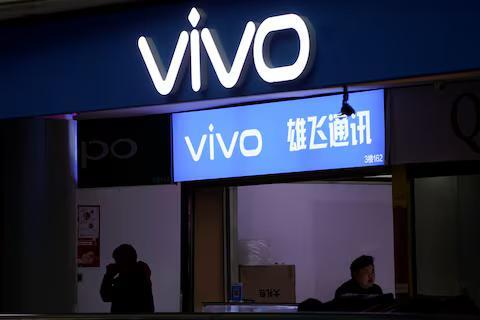
SFIO to charge Vivo in fund diversion case this month: Report
The Serious Fraud Investigation Office (SFIO) is set to file its chargesheet against Vivo, a Chinese smartphone manufacturer, this month in an alleged fund diversion case. According to a report by Moneycontrol, citing government sources, the SFIO has been investigating Vivo and other Chinese smartphone makers, including Oppo and Xiaomi, following a report by the Registrar of Companies (RoC) that alleged fund diversion of around ₹6,000 crore.
The probe into Vivo and other Chinese smartphone makers was launched after the RoC report highlighted suspicious transactions and alleged fund diversion by these companies. The SFIO, which is a specialized agency that investigates white-collar crimes and corporate frauds, has been investigating the matter and is now set to file its chargesheet against Vivo.
The alleged fund diversion case against Vivo and other Chinese smartphone makers is a significant development in the Indian corporate landscape. The case has raised concerns about the business practices of Chinese companies operating in India and has sparked a wider debate about the need for greater scrutiny and regulation of foreign companies operating in the country.
According to the RoC report, Vivo and other Chinese smartphone makers had allegedly diverted funds to their parent companies or other group entities, which is a violation of Indian corporate laws. The report had also alleged that these companies had not disclosed these transactions in their financial statements, which is a requirement under Indian law.
The SFIO probe into Vivo and other Chinese smartphone makers is a complex and time-consuming process that involves analyzing financial statements, transaction records, and other documents. The agency has been working closely with other government agencies, including the Enforcement Directorate and the Income Tax Department, to gather evidence and build a case against the companies.
The chargesheet that the SFIO is set to file against Vivo will likely include details of the alleged fund diversion and other corporate governance lapses by the company. The chargesheet will also likely name individuals who are alleged to have been involved in the fund diversion, including company executives and directors.
The wider probe into Chinese smartphone makers, including Oppo and Xiaomi, is also ongoing. The SFIO is investigating these companies for alleged fund diversion and other corporate governance lapses. The probe has sparked concerns about the business practices of Chinese companies operating in India and has raised questions about the need for greater scrutiny and regulation of foreign companies operating in the country.
The case against Vivo and other Chinese smartphone makers is also significant because it highlights the challenges faced by Indian regulators in dealing with foreign companies that operate in the country. The case has raised concerns about the ability of Indian regulators to effectively regulate and monitor the activities of foreign companies, particularly those from countries like China that have a reputation for being opaque and non-transparent.
In recent years, there have been several cases of Chinese companies being accused of corporate governance lapses and other illegal activities in India. These cases have sparked concerns about the need for greater scrutiny and regulation of foreign companies operating in the country. The case against Vivo and other Chinese smartphone makers is likely to add to these concerns and raise questions about the need for more effective regulation of foreign companies operating in India.
In conclusion, the SFIO’s decision to charge Vivo in an alleged fund diversion case is a significant development in the Indian corporate landscape. The case highlights the challenges faced by Indian regulators in dealing with foreign companies that operate in the country and raises concerns about the need for greater scrutiny and regulation of these companies. As the case against Vivo and other Chinese smartphone makers continues to unfold, it will be important to watch how Indian regulators respond to the challenges posed by these companies and how they work to ensure that foreign companies operating in India comply with Indian laws and regulations.
About the Author