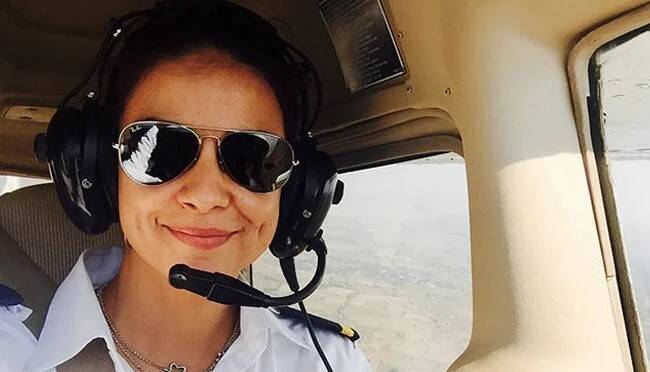
Real issue of safety & fatigue pushed to back burner: Actor-pilot Gul on IndiGo crisis
The recent chaos surrounding IndiGo’s cancellation of hundreds of flights has sent shockwaves throughout the aviation industry. The airline’s inability to comply with the new Flight Duty Time Limits (FDTL) rules has led to a significant disruption in its operations, leaving thousands of passengers stranded. Amidst the chaos, actress and certified pilot Gul Panag has weighed in on the issue, highlighting the real concern that seems to have been overlooked in the midst of the crisis.
Gul Panag, who is not only a renowned actress but also a licensed pilot, took to social media to express her thoughts on the matter. “Interesting how the narrative has been moved from safety and fatigue to chaos…The real issue, updated FDTL norms designed to protect lives, has been pushed to back burner,” she wrote. Her statement sheds light on the critical aspect of airline safety and pilot fatigue, which appears to have been relegated to the background in the face of the current crisis.
The new FDTL rules, which are designed to regulate the number of hours pilots can fly, are intended to prevent pilot fatigue and ensure the safety of passengers. The rules are based on scientific research and are meant to mitigate the risks associated with pilot fatigue, which can have devastating consequences. However, the implementation of these rules has been met with resistance from some airlines, including IndiGo, which has cited operational challenges as a reason for its inability to comply.
The cancellation of hundreds of flights by IndiGo has led to a significant disruption in the travel plans of thousands of passengers. While the airline has apologized for the inconvenience caused, the real issue at hand seems to have been lost in the chaos. The safety of passengers and the well-being of pilots should be the top priority for any airline, and it is alarming that this aspect has been pushed to the back burner.
Gul Panag’s statement highlights the importance of prioritizing safety and fatigue in the aviation industry. As a certified pilot, she is well aware of the risks associated with pilot fatigue and the importance of adhering to safety protocols. Her comments serve as a reminder that the safety of passengers and crew should never be compromised, and that the implementation of rules designed to prevent pilot fatigue should be a top priority.
The IndiGo crisis has also raised questions about the preparedness of airlines to implement new regulations. The FDTL rules are not new, and airlines have had sufficient time to prepare for their implementation. The fact that IndiGo has been unable to comply with these rules raises concerns about the airline’s commitment to safety and its ability to adapt to changing regulatory requirements.
In the midst of the chaos, it is essential to remember that the safety of passengers and crew is paramount. The implementation of rules designed to prevent pilot fatigue is a critical aspect of ensuring the safety of air travel. While the cancellation of flights may be inconvenient for passengers, it is a small price to pay for the assurance that the pilots flying the aircraft are well-rested and alert.
The IndiGo crisis serves as a wake-up call for the aviation industry to prioritize safety and fatigue. The implementation of new FDTL rules is a step in the right direction, and airlines must take immediate action to comply with these regulations. The safety of passengers and crew should never be compromised, and it is the responsibility of airlines to ensure that their operations are aligned with the highest safety standards.
In conclusion, the real issue at hand in the IndiGo crisis is not the cancellation of flights, but the safety and fatigue of pilots. The implementation of new FDTL rules is a critical aspect of ensuring the safety of air travel, and airlines must prioritize compliance with these regulations. As Gul Panag so aptly put it, the narrative should not be about chaos, but about the safety and well-being of passengers and crew. It is essential to remember that the safety of air travel is paramount, and any compromise on this aspect can have devastating consequences.
About the Author