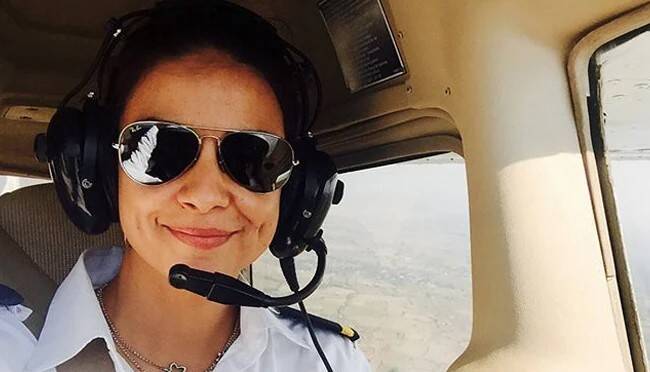
Real issue of safety & fatigue pushed to back burner: Actor-pilot Gul on IndiGo crisis
The recent crisis surrounding IndiGo, one of India’s largest airlines, has sparked a heated debate about the importance of safety and fatigue in the aviation industry. Amidst the chaos, actress and certified pilot Gul Panag has weighed in on the issue, highlighting the need to prioritize safety and fatigue over convenience and profit. In a recent social media post, Panag noted that the narrative has shifted from the real issue at hand – the updated Flight Duty Time Limits (FDTL) norms designed to protect lives – to the chaos caused by the cancellation of hundreds of flights.
For those who may be unaware, the FDTL norms are regulations that dictate the maximum number of hours a pilot can fly without rest. These norms are in place to prevent pilot fatigue, which can have catastrophic consequences. The updated norms, which came into effect recently, are designed to ensure that pilots get adequate rest and are not overworked, thereby reducing the risk of accidents.
However, it appears that IndiGo, along with several other airlines, has been struggling to comply with these new norms. The result has been the cancellation of hundreds of flights, leaving thousands of passengers stranded. While the chaos caused by these cancellations is undoubtedly frustrating for passengers, it is essential to remember that the FDTL norms are in place to protect lives.
As Gul Panag so aptly put it, “Interesting how the narrative has been moved from safety and fatigue to chaos…The real issue, updated FDTL norms designed to protect lives, has been pushed to back burner.” Panag’s statement highlights the tendency to prioritize convenience and profit over safety and fatigue. While it is understandable that airlines want to minimize disruptions to their schedules and maintain customer satisfaction, it is essential to remember that safety should always be the top priority.
The issue of pilot fatigue is a serious one, and it is not unique to India. Pilot fatigue has been a contributing factor in several high-profile accidents around the world, resulting in the loss of hundreds of lives. In fact, the International Air Transport Association (IATA) has estimated that pilot fatigue is a factor in up to 20% of all accidents.
So, what can be done to address the issue of pilot fatigue and ensure that safety remains the top priority? Firstly, airlines must prioritize the implementation of the updated FDTL norms and ensure that their pilots are getting adequate rest. This may require adjustments to their scheduling and rostering systems, as well as investments in fatigue management technologies.
Secondly, the regulatory authorities must ensure that airlines are complying with the FDTL norms and take enforcement action against those that are not. This may involve imposing fines or other penalties on airlines that fail to comply with the regulations.
Finally, passengers must also play a role in prioritizing safety. While it can be frustrating to have flights cancelled or delayed, it is essential to remember that these disruptions are often necessary to ensure that pilots are well-rested and alert. By prioritizing safety and supporting airlines that prioritize safety, passengers can help to create a culture of safety in the aviation industry.
In conclusion, the recent crisis surrounding IndiGo is a timely reminder of the importance of prioritizing safety and fatigue in the aviation industry. As Gul Panag so aptly put it, the real issue of safety and fatigue has been pushed to the back burner amidst the chaos caused by the cancellation of flights. However, it is essential to remember that safety should always be the top priority, and that the updated FDTL norms are in place to protect lives. By prioritizing safety and fatigue, we can help to create a safer and more responsible aviation industry.
About the Author