Real issue of safety & fatigue pushed to back burner: Actor-pilot Gul on IndiGo crisis
The recent chaos surrounding IndiGo’s cancellation of hundreds of flights has sent shockwaves throughout the aviation industry. The airline’s inability to comply with the new Flight Duty Time Limits (FDTL) rules has led to a massive disruption in flight operations, leaving thousands of passengers stranded. Amidst the chaos, actress and certified pilot Gul Panag has weighed in on the issue, highlighting the real concern that seems to have been overlooked – the safety and fatigue of pilots.
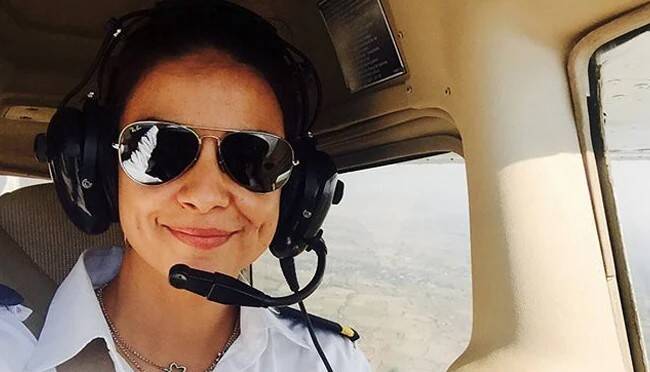
Gul Panag, who is not only a renowned actress but also a licensed pilot, took to social media to express her thoughts on the matter. “Interesting how the narrative has been moved from safety and fatigue to chaos…The real issue, updated FDTL norms designed to protect lives, has been pushed to back burner,” she wrote. Her statement sheds light on the fact that the new FDTL rules are in place to ensure the safety and well-being of pilots, which in turn affects the safety of passengers.
The FDTL rules are designed to prevent pilot fatigue, which is a significant concern in the aviation industry. Pilot fatigue can impair a pilot’s ability to react quickly and make sound judgments, putting the lives of everyone on board at risk. The updated rules aim to reduce the number of hours a pilot can fly, ensuring that they get adequate rest and are alert during flights.
However, the narrative surrounding the IndiGo crisis has shifted from the importance of these safety regulations to the chaos caused by the flight cancellations. The media and the public are more focused on the inconvenience caused to passengers, rather than the underlying issue of pilot fatigue and safety. This is a disturbing trend, as it suggests that the safety of passengers and pilots is being compromised for the sake of convenience and efficiency.
Gul Panag’s statement highlights the need to refocus on the real issue at hand. The updated FDTL norms are not just a bureaucratic requirement, but a necessary measure to protect lives. By pushing the issue of safety and fatigue to the back burner, we are putting the lives of pilots and passengers at risk.
The IndiGo crisis is not just a one-off incident, but a symptom of a larger problem in the aviation industry. The pressure to meet demand and reduce costs can lead airlines to compromise on safety protocols, putting the lives of everyone involved at risk. The incident serves as a wake-up call for the industry to re-evaluate its priorities and put safety above all else.
As a certified pilot, Gul Panag’s perspective on the matter carries significant weight. Her statement is not just a celebrity opinion, but an expert view on the importance of safety regulations in the aviation industry. Her concerns about the narrative being shifted from safety to chaos are valid and warrant attention from the industry and the public.
In conclusion, the real issue at hand is not the chaos caused by the flight cancellations, but the safety and fatigue of pilots. The updated FDTL norms are designed to protect lives, and it is essential that we prioritize these regulations above all else. As Gul Panag so aptly put it, the narrative needs to shift back to safety and fatigue, rather than being hijacked by the chaos caused by the flight cancellations.
The incident serves as a reminder that safety should always be the top priority in the aviation industry. The lives of pilots and passengers are at stake, and it is essential that we take all necessary measures to ensure their safety. By prioritizing safety and fatigue, we can prevent such incidents from occurring in the future and ensure that air travel remains a safe and reliable mode of transportation.
About the Author