RBI spent ₹2.7 lakh cr to prevent rupee from falling, it still fell to record lows: Report
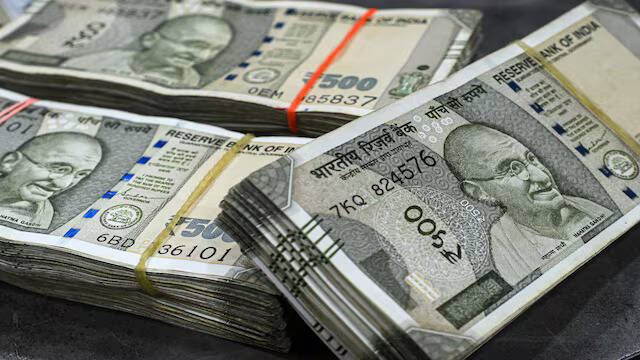
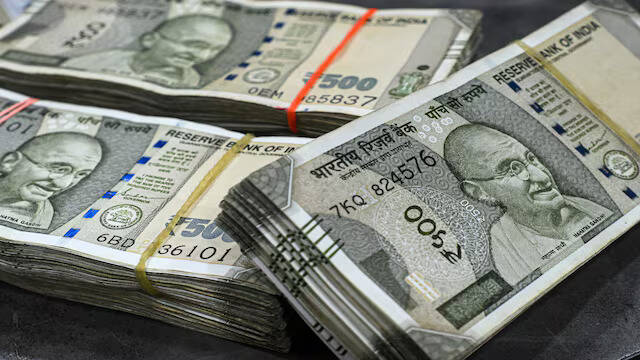
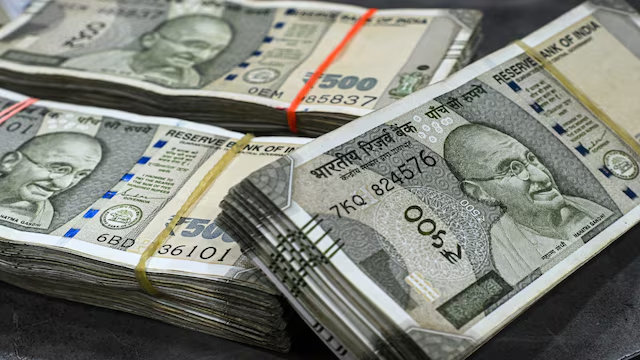
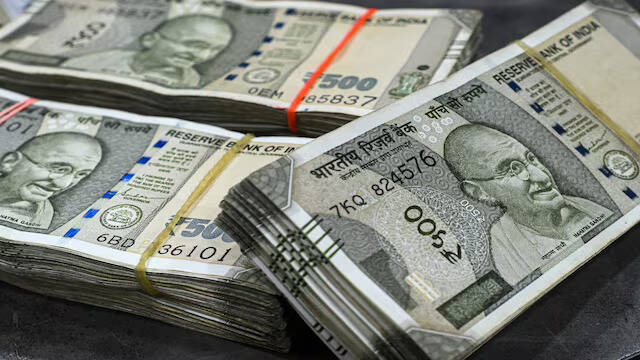
The Indian rupee has been on a downward spiral for quite some time now, and despite the Reserve Bank of India’s (RBI) best efforts to prop it up, the currency has continued to tumble to new record lows. According to a report by SBI Research, the RBI spent around ₹2.7 lakh crore ($30 billion) to help soften the fall of the Indian rupee over the past few months. However, the central bank’s intervention has not been enough to stem the decline of the rupee, which has fallen to unprecedented levels.
The RBI’s intervention in the foreign exchange market is a common practice used by central banks to influence the value of their currency. By buying or selling foreign currencies, the RBI can affect the supply and demand of the rupee, thereby influencing its value. In this case, the RBI has been intervening in the forex market to prevent the rupee from falling further. However, despite the RBI’s best efforts, the rupee has continued to decline, highlighting the challenges faced by the central bank in stabilizing the currency.
According to SBI Research, the RBI has intervened around $18 billion in the forex market during June-September, and an estimated additional $10 billion in October 2025. This brings the total intervention to around $30 billion, or approximately ₹2.7 lakh crore. The report notes that the RBI’s intervention has been significant, but it has not been enough to prevent the rupee from falling to new record lows.
The decline of the rupee has been attributed to a number of factors, including a strong US dollar, rising crude oil prices, and a widening trade deficit. The US dollar has been strengthening against most major currencies, including the rupee, due to the hawkish stance of the US Federal Reserve. The Fed has been raising interest rates to combat inflation, which has made the US dollar more attractive to investors, leading to a surge in demand for the currency.
Rising crude oil prices have also been a major factor contributing to the decline of the rupee. India is a major importer of crude oil, and higher oil prices have led to a significant increase in the country’s import bill. This has put pressure on the rupee, as the country needs to pay more for its oil imports, leading to a higher demand for foreign currencies.
The widening trade deficit has also been a major concern for the rupee. India’s trade deficit has been widening due to a surge in imports, particularly of electronic goods and machinery. The country’s exports have not been able to keep pace with the growth in imports, leading to a significant trade deficit. This has put pressure on the rupee, as the country needs to pay for its imports, leading to a higher demand for foreign currencies.
The RBI’s intervention in the forex market has been aimed at preventing the rupee from falling too sharply. However, the central bank’s actions have not been enough to stem the decline of the rupee, highlighting the challenges faced by the RBI in stabilizing the currency. The RBI has been using its foreign exchange reserves to intervene in the market, but the sheer size of the intervention required to stabilize the rupee has been a major challenge.
The decline of the rupee has significant implications for the Indian economy. A weaker rupee makes imports more expensive, which can lead to higher inflation. This can have a negative impact on consumer spending and economic growth. A weaker rupee also makes it more expensive for Indian companies to borrow abroad, which can lead to higher interest rates and reduced investment.
In conclusion, the RBI’s intervention in the forex market has been significant, but it has not been enough to prevent the rupee from falling to new record lows. The decline of the rupee has been attributed to a number of factors, including a strong US dollar, rising crude oil prices, and a widening trade deficit. The RBI’s challenge is to stabilize the rupee without depleting its foreign exchange reserves. The central bank will need to use a combination of monetary and fiscal policies to stabilize the currency and support economic growth.
The RBI’s actions will be closely watched by investors and economists, as the stability of the rupee is crucial for the Indian economy. The government will also need to take steps to address the underlying factors contributing to the decline of the rupee, including the widening trade deficit and rising crude oil prices. Only a coordinated effort by the RBI and the government can help to stabilize the rupee and support economic growth.
News Source: https://www.cnbctv18.com/market/currency/india-rupee-how-many-us-dollars-did-rbi-buy-ws-l-19794895.htm/amp
About the Author