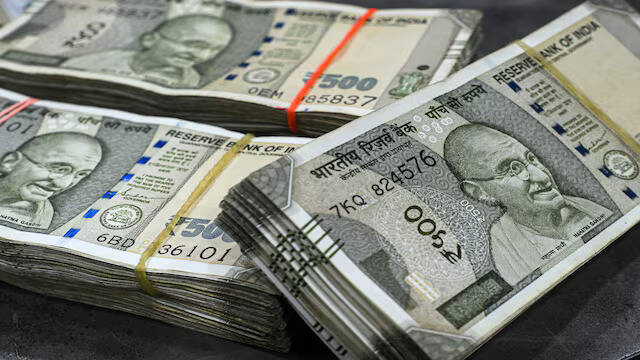
RBI spent ₹2.7 lakh cr to prevent rupee from falling, it still fell to record lows: Report
The Indian rupee has been on a downward spiral in recent months, reaching new record lows despite the Reserve Bank of India’s (RBI) efforts to intervene and stabilize the currency. According to a report by SBI Research, the RBI spent around ₹2.7 lakh crore ($30 billion) to help soften the fall of the Indian rupee over the past few months. However, despite this significant intervention, the rupee continued to tumble, leaving many to wonder about the effectiveness of the central bank’s strategy.
The RBI’s intervention in the foreign exchange market is aimed at preventing a sharp depreciation of the rupee, which can have far-reaching consequences for the Indian economy. A weak rupee can make imports more expensive, leading to higher inflation and potentially affecting economic growth. To mitigate this risk, the RBI sells dollars from its foreign exchange reserves to buy rupees, thereby reducing the supply of rupees in the market and propping up its value.
According to SBI Research, the RBI has intervened around $18 billion in the forex market during June-September, and an estimated additional $10 billion in October 2025. This brings the total intervention to around $30 billion, or approximately ₹2.7 lakh crore. This is a significant amount, and it highlights the magnitude of the RBI’s efforts to stabilize the rupee.
Despite these efforts, the rupee continued to fall to new record lows. This raises questions about the effectiveness of the RBI’s intervention strategy and whether it is enough to stem the decline of the rupee. There are several factors that could be contributing to the rupee’s weakness, including a strong US dollar, rising crude oil prices, and a widening trade deficit.
The strong US dollar has been a major factor in the rupee’s decline. The US dollar has been strengthening against most major currencies, including the rupee, due to the Federal Reserve’s decision to raise interest rates. This has led to a flight of capital from emerging markets, including India, as investors seek higher returns in the US. The rupee has been particularly vulnerable to this trend, given India’s large trade deficit and dependence on foreign capital inflows.
Rising crude oil prices have also played a significant role in the rupee’s decline. India is a major importer of crude oil, and higher oil prices can lead to a wider trade deficit and upward pressure on inflation. This can weaken the rupee, as a higher trade deficit reduces the demand for rupees and increases the supply of dollars in the market.
The RBI’s intervention strategy has been criticized by some for being ineffective and even counterproductive. Some argue that the RBI’s sales of dollars from its foreign exchange reserves can actually exacerbate the decline of the rupee, as it reduces the central bank’s ability to intervene in the market in the future. Others argue that the RBI should focus on addressing the underlying factors driving the rupee’s weakness, such as the trade deficit and inflation, rather than just intervening in the foreign exchange market.
In conclusion, the RBI’s efforts to stabilize the rupee have been significant, with an estimated ₹2.7 lakh crore spent on intervention in the foreign exchange market. However, despite these efforts, the rupee has continued to fall to new record lows. This highlights the challenges faced by the RBI in stabilizing the currency and the need for a more comprehensive strategy to address the underlying factors driving the rupee’s weakness.
As the Indian economy continues to grow and evolve, the rupee’s value will remain an important factor in determining the country’s economic trajectory. The RBI’s ability to effectively manage the rupee’s value will be crucial in maintaining economic stability and promoting growth. Whether the RBI’s intervention strategy is effective in the long term remains to be seen, but one thing is clear: the rupee’s value will continue to be a major focus of attention for policymakers, investors, and businesses in the months and years to come.
News Source: https://www.cnbctv18.com/market/currency/india-rupee-how-many-us-dollars-did-rbi-buy-ws-l-19794895.htm/amp
About the Author