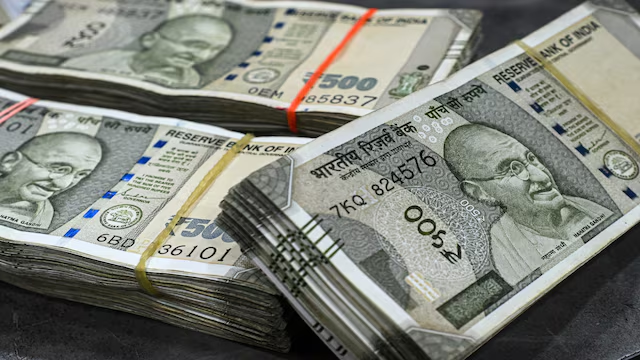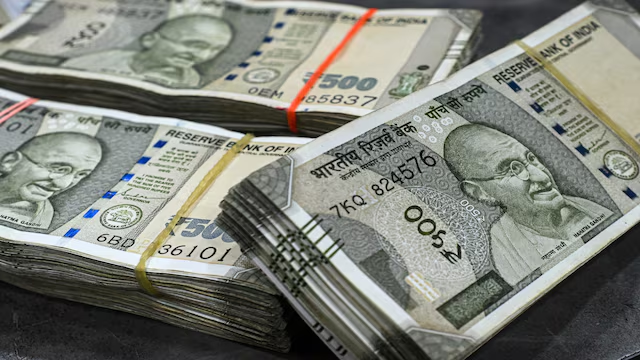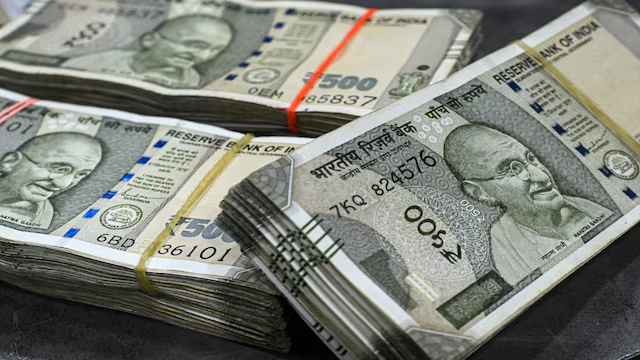
RBI spent ₹2.7 lakh cr to prevent rupee from falling, it still fell to record lows: Report
The Indian rupee has been on a downward spiral in recent months, touching new record lows against the US dollar. In an effort to stem the decline, the Reserve Bank of India (RBI) has been actively intervening in the foreign exchange market. According to a report by SBI Research, the RBI spent around ₹2.7 lakh crore ($30 billion) to help soften the fall of the Indian rupee over the past few months.
The report highlights the RBI’s efforts to prop up the rupee, which has been under pressure due to a combination of factors, including a strong US dollar, rising crude oil prices, and a widening trade deficit. Despite the central bank’s intervention, the rupee continued to tumble to new record lows, leaving many to wonder about the effectiveness of the RBI’s strategy.
According to SBI Research, the RBI has intervened around $18 billion in the forex market during the period of June-September. Additionally, the research firm estimates that the RBI may have intervened to the tune of another $10 billion in October 2025. This brings the total intervention by the RBI to around $30 billion, or approximately ₹2.7 lakh crore.
The RBI’s intervention in the forex market is aimed at preventing a sharp decline in the value of the rupee. When the rupee weakens, the RBI sells dollars from its foreign exchange reserves to stabilize the currency. This helps to reduce the downward pressure on the rupee and prevents a sharp depreciation.
However, despite the RBI’s intervention, the rupee has continued to fall to new record lows. This has raised questions about the effectiveness of the RBI’s strategy and whether the central bank is using its resources efficiently. Some experts have argued that the RBI’s intervention may be having a limited impact, as the fundamental factors driving the rupee’s decline remain unchanged.
One of the main factors contributing to the rupee’s decline is the strong US dollar. The US dollar has been on an upward trajectory in recent months, driven by a combination of factors, including rising interest rates in the US and a strong economy. As the US dollar strengthens, the rupee tends to weaken, making imports more expensive and widening the trade deficit.
Another factor contributing to the rupee’s decline is the rise in crude oil prices. India is a major importer of crude oil, and a rise in oil prices can have a significant impact on the country’s trade deficit. As oil prices rise, the rupee tends to weaken, making it more expensive to import oil and other essential goods.
The RBI’s intervention in the forex market is also influenced by the country’s foreign exchange reserves. India’s foreign exchange reserves have been declining in recent months, as the RBI sells dollars to stabilize the rupee. According to the latest data, India’s foreign exchange reserves stood at around $550 billion, down from a peak of over $600 billion earlier this year.
The decline in foreign exchange reserves has raised concerns about the RBI’s ability to continue intervening in the forex market. If the RBI continues to sell dollars from its reserves, it could lead to a decline in the country’s import cover, making it more vulnerable to external shocks.
In conclusion, the RBI’s intervention in the forex market has been significant, with the central bank spending around ₹2.7 lakh crore to prevent the rupee from falling. However, despite the RBI’s efforts, the rupee has continued to tumble to new record lows. The fundamental factors driving the rupee’s decline, including a strong US dollar and rising crude oil prices, remain unchanged, and it remains to be seen whether the RBI’s intervention will have a lasting impact on the currency.
As the rupee continues to weaken, it is likely to have a significant impact on the Indian economy. A weak rupee can make imports more expensive, leading to higher inflation and a wider trade deficit. It can also make it more difficult for Indian companies to compete in the global market, as a weak rupee can make their exports less competitive.
Overall, the RBI’s intervention in the forex market is a complex issue, and it remains to be seen whether the central bank’s strategy will be effective in stabilizing the rupee. As the rupee continues to weaken, it is likely to have a significant impact on the Indian economy, and it is essential for policymakers to take a comprehensive approach to addressing the underlying factors driving the currency’s decline.
News Source: https://www.cnbctv18.com/market/currency/india-rupee-how-many-us-dollars-did-rbi-buy-ws-l-19794895.htm/amp
About the Author