RBI spent ₹2.7 lakh cr to prevent rupee from falling, it still fell to record lows: Report
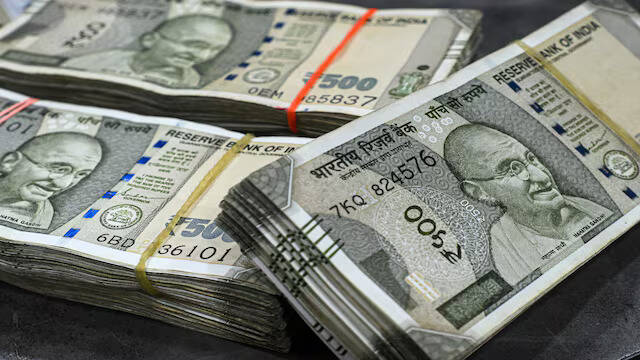
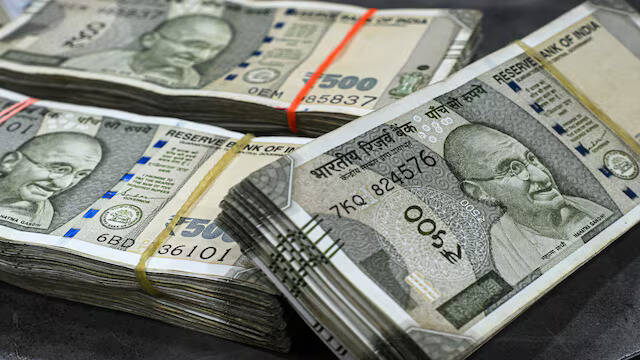
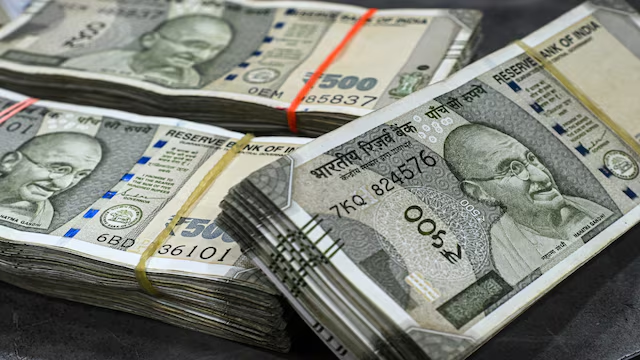
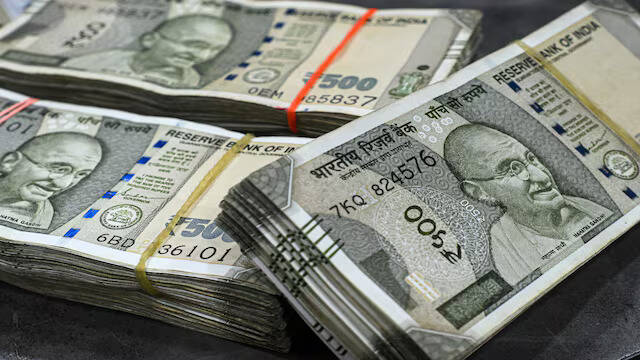
The Indian rupee has been on a downward spiral in recent months, touching new record lows despite the Reserve Bank of India’s (RBI) best efforts to stabilize it. According to a report by SBI Research, the RBI spent a staggering ₹2.7 lakh crore ($30 billion) to help soften the fall of the Indian rupee over the past few months. However, despite this massive intervention, the rupee continued to tumble, leaving many to wonder about the effectiveness of the central bank’s strategy.
The RBI’s intervention in the foreign exchange market is aimed at preventing a sharp depreciation of the rupee, which can have far-reaching consequences for the Indian economy. A weak rupee can make imports more expensive, leading to higher inflation and potentially hurting economic growth. To mitigate this risk, the RBI sells dollars from its foreign exchange reserves to buy rupees, thereby reducing the supply of rupees in the market and propping up its value.
According to SBI Research, the RBI has intervened heavily in the forex market during the June-September period, selling around $18 billion. Additionally, the research firm estimates that the RBI may have sold another $10 billion in October 2025, taking the total intervention to $30 billion. This massive sell-off of dollars has depleted the RBI’s foreign exchange reserves, which have fallen to their lowest level in over two years.
Despite this significant intervention, the rupee has continued to fall, touching new record lows. This has raised questions about the effectiveness of the RBI’s strategy and whether it is sufficient to stabilize the currency. The rupee’s fall has been driven by a combination of factors, including a strong US dollar, rising crude oil prices, and a widening trade deficit.
The strong US dollar has been a major factor contributing to the rupee’s fall. The US dollar has strengthened significantly in recent months, driven by higher interest rates in the United States and a robust economy. This has led to a flight of capital from emerging markets, including India, as investors seek higher returns in the US. The resulting outflow of dollars has put downward pressure on the rupee, making it difficult for the RBI to stabilize the currency.
Rising crude oil prices have also played a significant role in the rupee’s fall. India is a major importer of crude oil, and higher oil prices have led to a widening trade deficit. This has put downward pressure on the rupee, as the country needs to import more dollars to pay for its oil imports. The RBI’s intervention in the forex market has helped to mitigate the impact of higher oil prices, but it has not been enough to stabilize the currency.
The widening trade deficit has also been a major factor contributing to the rupee’s fall. India’s trade deficit has been rising in recent months, driven by higher imports and sluggish exports. This has led to a shortage of dollars in the market, putting downward pressure on the rupee. The RBI’s intervention in the forex market has helped to bridge this gap, but it has not been enough to stabilize the currency.
The RBI’s intervention in the forex market has also had an impact on the country’s foreign exchange reserves. The RBI’s sell-off of dollars has depleted its foreign exchange reserves, which have fallen to their lowest level in over two years. This has raised concerns about the RBI’s ability to continue intervening in the forex market, as it may not have sufficient reserves to support the rupee.
In conclusion, the RBI’s intervention in the forex market has not been enough to stabilize the rupee, despite the massive spend of ₹2.7 lakh crore. The rupee’s fall has been driven by a combination of factors, including a strong US dollar, rising crude oil prices, and a widening trade deficit. The RBI’s strategy of selling dollars to buy rupees has helped to mitigate the impact of these factors, but it has not been enough to stabilize the currency. The RBI may need to consider other options, such as raising interest rates or imposing capital controls, to stabilize the rupee and prevent further depreciation.
News Source: https://www.cnbctv18.com/market/currency/india-rupee-how-many-us-dollars-did-rbi-buy-ws-l-19794895.htm/amp
About the Author