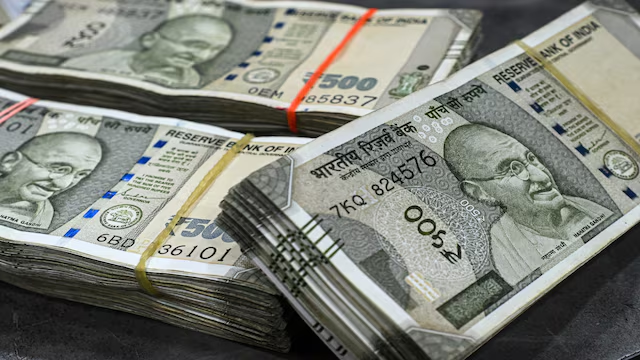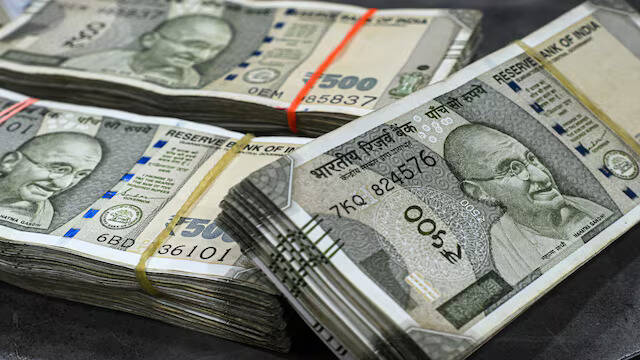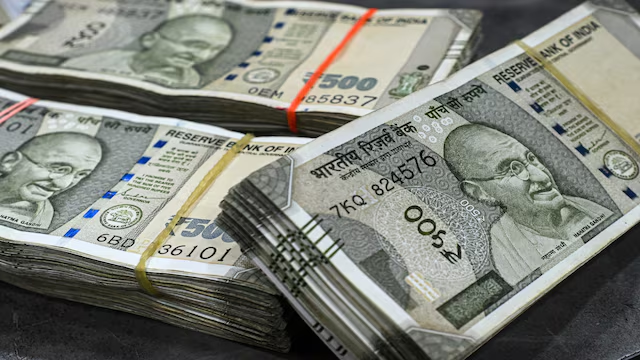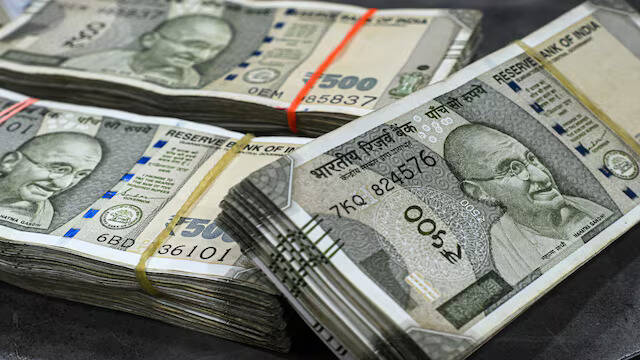
RBI spent ₹2.7 lakh cr to prevent rupee from falling, it still fell to record lows: Report
The Indian rupee has been on a downward spiral in recent months, touching record lows against the US dollar. Despite the Reserve Bank of India’s (RBI) efforts to intervene and stabilize the currency, the rupee has continued to tumble. According to a report by SBI Research, the RBI spent around ₹2.7 lakh crore ($30 billion) to help soften the fall of the Indian rupee over the past few months. However, the central bank’s intervention has not been enough to prevent the rupee from falling to new record lows.
The RBI’s intervention in the foreign exchange market is aimed at preventing excessive volatility in the currency market. When the rupee is falling, the RBI sells dollars from its foreign exchange reserves to increase the supply of dollars in the market, which helps to stabilize the currency. Conversely, when the rupee is appreciating, the RBI buys dollars to reduce the supply of dollars in the market and prevent the currency from strengthening too much.
According to SBI Research, the RBI has intervened around $18 billion in the forex market during June-September, and an estimated additional $10 billion in October 2025. This brings the total intervention by the RBI to around $30 billion, or approximately ₹2.7 lakh crore. Despite this significant intervention, the rupee has continued to fall to new record lows.
The rupee’s decline can be attributed to a combination of factors, including a strong US dollar, rising crude oil prices, and a widening trade deficit. The US Federal Reserve’s decision to raise interest rates has also contributed to the rupee’s decline, as it has made the US dollar more attractive to investors. Additionally, the ongoing trade tensions between the US and China have led to a decline in investor sentiment, which has also impacted the rupee.
The RBI’s intervention in the foreign exchange market is not without its costs. The central bank’s foreign exchange reserves have been declining in recent months, which could impact its ability to intervene in the market in the future. Furthermore, the RBI’s intervention can also lead to a decline in the country’s foreign exchange reserves, which could have implications for the country’s external sector.
The decline of the rupee has significant implications for the Indian economy. A weak currency makes imports more expensive, which can lead to higher inflation. This, in turn, can impact consumer spending and economic growth. Additionally, a weak currency can also make it more difficult for Indian companies to compete in the global market, which can impact exports and economic growth.
In conclusion, the RBI’s intervention in the foreign exchange market has not been enough to prevent the rupee from falling to new record lows. The central bank’s efforts to stabilize the currency have been significant, with an estimated ₹2.7 lakh crore spent to intervene in the market. However, the rupee’s decline is a complex issue, and the RBI’s intervention is just one part of the solution. The government and the RBI need to work together to address the underlying factors contributing to the rupee’s decline, including a strong US dollar, rising crude oil prices, and a widening trade deficit.
The RBI’s intervention in the foreign exchange market is a short-term solution to stabilize the currency. However, in the long term, the government and the RBI need to focus on structural reforms to improve the country’s external sector and reduce its dependence on imports. This includes increasing exports, reducing the trade deficit, and improving the country’s investment climate.
The decline of the rupee is a significant challenge for the Indian economy, and it requires a comprehensive solution. The RBI’s intervention in the foreign exchange market is just one part of the solution, and the government and the RBI need to work together to address the underlying factors contributing to the rupee’s decline.
News Source: https://www.cnbctv18.com/market/currency/india-rupee-how-many-us-dollars-did-rbi-buy-ws-l-19794895.htm/amp
About the Author