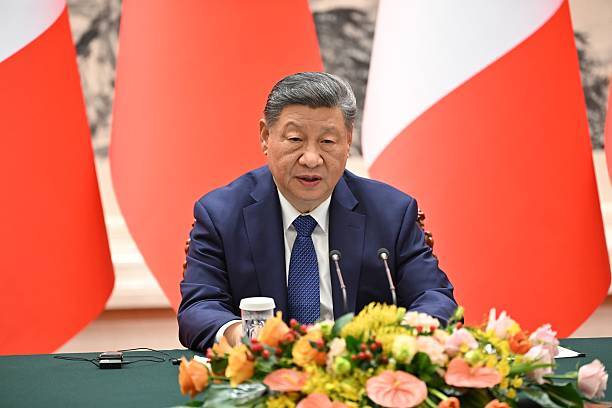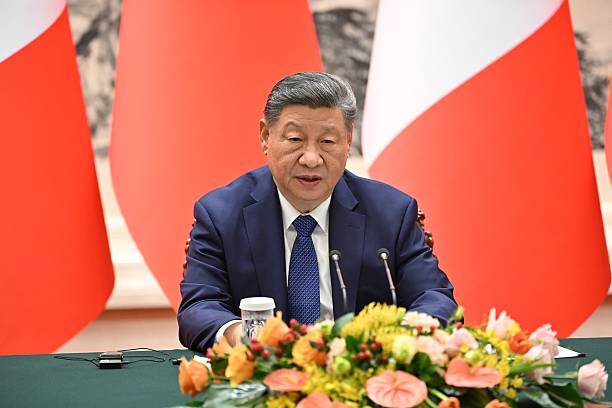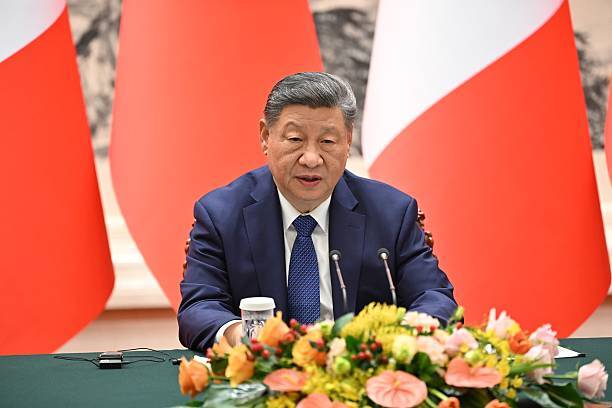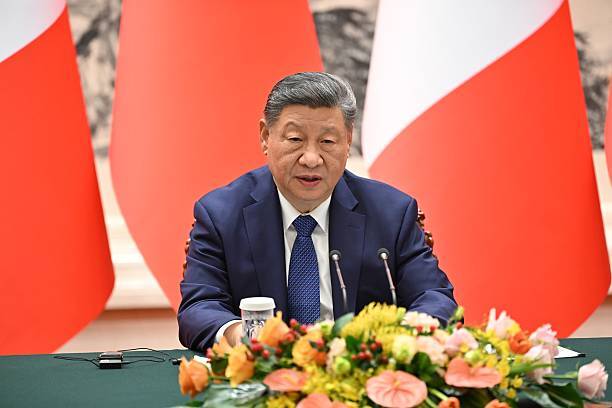
President Xi highlights AI and chip progress in New Year speech
As the world welcomed a new year, Chinese President Xi Jinping took to the stage to deliver his annual New Year speech, outlining the country’s progress and future plans. In a significant departure from previous years, President Xi chose to focus on China’s advancements in artificial intelligence (AI), semiconductors, robotics, and defense, emphasizing the nation’s growing self-reliance and resilience in the face of global technological restrictions.
The speech, which was broadcast on state television, highlighted the remarkable strides China has made in these critical areas, with President Xi asserting that the country is “strengthening” despite the challenges posed by international tech curbs. This bold statement comes as China nears the end of its 14th Five-Year Plan, a comprehensive economic and social development blueprint that has guided the nation’s growth since 2021. As the country prepares to embark on its next five-year cycle, beginning in 2026, President Xi’s emphasis on manufacturing recovery and self-reliance takes on added significance.
At the heart of President Xi’s speech was the importance of AI and chip development, two areas where China has made tremendous progress in recent years. The country has invested heavily in these sectors, recognizing their critical role in driving economic growth, improving competitiveness, and enhancing national security. By focusing on AI and chip development, China aims to reduce its reliance on foreign technologies and mitigate the risks associated with global supply chain disruptions.
One of the key takeaways from President Xi’s speech was the emphasis on self-reliance in the face of external pressures. As the United States and other countries have imposed restrictions on China’s access to advanced technologies, Beijing has responded by accelerating its own research and development efforts. This approach has yielded impressive results, with Chinese companies making significant breakthroughs in areas such as AI, 5G, and semiconductor manufacturing.
The speech also highlighted the critical role of manufacturing in China’s economic recovery. As the country navigates a complex and challenging global economic landscape, President Xi stressed the need to revitalize the manufacturing sector, which has been a mainstay of China’s growth model for decades. By investing in cutting-edge technologies and promoting innovation, China aims to upgrade its manufacturing capabilities, improve efficiency, and increase competitiveness.
In addition to AI and chip development, President Xi’s speech touched on other areas of technological advancement, including robotics and defense. China has made significant strides in these fields, with applications ranging from industrial automation to aerospace and military modernization. By leveraging these technologies, China seeks to enhance its national security, improve its global influence, and promote its economic interests.
The timing of President Xi’s speech is noteworthy, as it comes amidst a surge in demand for Chinese technologies, despite global restrictions. As the world grapples with the challenges of the digital age, China’s advancements in AI, semiconductors, and other areas have become increasingly attractive to countries seeking to upgrade their own technological capabilities. This growing demand has created new opportunities for Chinese companies, which are now poised to play a more significant role in the global tech landscape.
As China looks to the future, President Xi’s speech provides a clear roadmap for the country’s technological development. By prioritizing self-reliance, innovation, and manufacturing recovery, China aims to overcome the challenges posed by global tech curbs and emerge as a leader in the industries of the future. With its 14th Five-Year Plan nearing completion, China is well-positioned to embark on its next phase of growth, driven by a renewed focus on technological advancement and economic resilience.
In conclusion, President Xi’s New Year speech highlights the significant progress China has made in AI, semiconductors, robotics, and defense, despite the challenges posed by global tech restrictions. As the country prepares to launch its next five-year plan, the emphasis on self-reliance, manufacturing recovery, and technological innovation will be critical to China’s continued growth and development. With its sights set on the future, China is poised to play an increasingly important role in shaping the global tech landscape, driven by its unwavering commitment to innovation and progress.
About the Author