President Xi highlights AI and chip progress in New Year speech
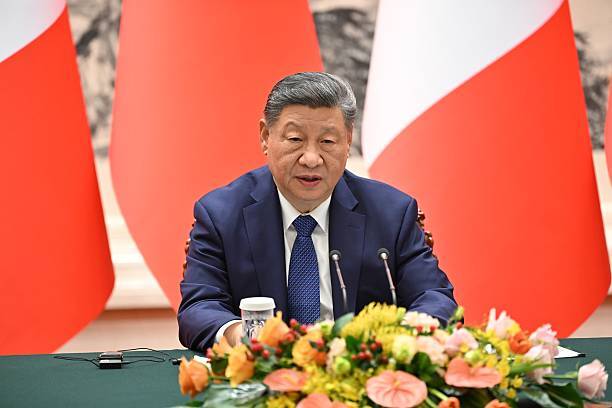
As the world welcomed a new year, Chinese President Xi Jinping delivered a speech that underscored the country’s significant advancements in artificial intelligence (AI), semiconductors, robotics, and defense. Despite facing global tech curbs, China is strengthening its position in these critical areas, with a focus on manufacturing recovery and self-reliance. With the 14th Five-Year Plan nearing its conclusion and the next cycle set to begin in 2026, President Xi’s speech highlighted the country’s determination to push forward with its technological ambitions.
In his speech, President Xi emphasized the importance of innovation and technological progress in driving China’s economic growth and global competitiveness. He noted that the country has made significant strides in AI, with applications in areas such as healthcare, finance, and transportation. China’s AI industry has been growing rapidly, with the country aiming to become a global leader in AI by 2030. The government has been actively supporting the development of AI through investments in research and development, as well as the creation of AI-focused zones and parks.
In addition to AI, President Xi also highlighted China’s progress in semiconductor manufacturing. The country has been working to reduce its reliance on foreign chip suppliers, particularly from the United States, and has made significant investments in domestic chip production. Chinese companies such as SMIC and Hua Hong Semiconductor have been at the forefront of this effort, with the government providing support through subsidies and other incentives. As a result, China’s semiconductor industry has been growing rapidly, with the country aiming to become self-sufficient in chip production.
Robotics is another area where China has made significant progress, with the country becoming a major player in the global robotics market. Chinese companies such as DJI and UBTECH have been leading the way in robotics innovation, with applications in areas such as manufacturing, logistics, and healthcare. The government has also been supporting the development of robotics through investments in research and development, as well as the creation of robotics-focused zones and parks.
Defense is another critical area where China has been making significant investments, with a focus on developing advanced technologies such as hypersonic missiles and stealth aircraft. The country has also been expanding its military presence globally, with a focus on protecting its interests and securing its borders. President Xi’s speech highlighted the importance of defense in maintaining national security and stability, and emphasized the need for continued investment in this area.
Despite facing global tech curbs, China’s technological progress has been impressive, with the country making significant strides in areas such as AI, semiconductors, and robotics. The government’s support for innovation and technological development has been a key factor in this success, with investments in research and development, as well as the creation of specialized zones and parks. As China prepares for the next cycle of its Five-Year Plan, it is clear that the country will continue to prioritize technological progress and self-reliance.
The emphasis on manufacturing recovery and self-reliance is particularly significant, given the global tech curbs that China has been facing. The United States, in particular, has been imposing restrictions on Chinese companies, citing national security concerns. However, China has been working to reduce its reliance on foreign technology, with a focus on developing domestic alternatives. This approach has been driven by the government’s “Made in China 2025” initiative, which aims to promote domestic innovation and self-reliance in critical areas such as AI, semiconductors, and robotics.
As China looks to the future, it is clear that the country will continue to prioritize technological progress and self-reliance. The next cycle of the Five-Year Plan, set to begin in 2026, will likely see a continued emphasis on innovation and technological development, with a focus on areas such as AI, semiconductors, and robotics. With its strong foundation in these areas, China is well-positioned to become a global leader in technology, despite the challenges posed by global tech curbs.
In conclusion, President Xi’s New Year speech highlighted China’s significant progress in AI, semiconductors, robotics, and defense, despite facing global tech curbs. The country’s emphasis on manufacturing recovery and self-reliance is a key factor in its success, with the government’s support for innovation and technological development driving growth and competitiveness. As China prepares for the next cycle of its Five-Year Plan, it is clear that the country will continue to prioritize technological progress and self-reliance, with a focus on becoming a global leader in critical areas such as AI and semiconductors.
About the Author