President Xi highlights AI and chip progress in New Year speech
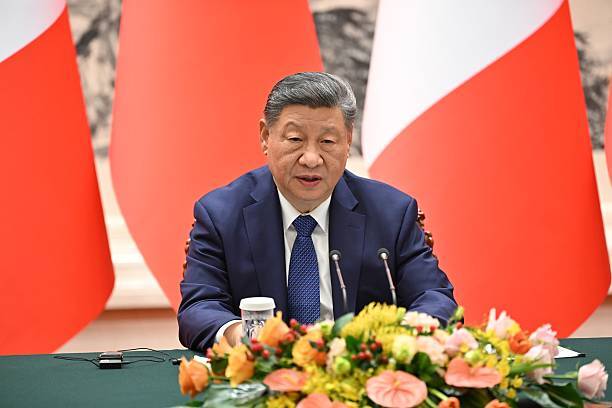
As the world welcomed the start of a new year, Chinese President Xi Jinping used his New Year speech to spotlight the country’s significant advances in artificial intelligence (AI), semiconductors, robotics, and defense. Despite facing global tech curbs, Xi emphasized that China is strengthening its position in the tech industry, with a focus on manufacturing recovery and self-reliance. This comes as China nears the end of its 14th Five-Year Plan and prepares for the next cycle beginning in 2026.
In his speech, Xi highlighted the country’s remarkable progress in AI, citing breakthroughs in areas such as natural language processing, computer vision, and machine learning. He noted that Chinese companies are now at the forefront of AI innovation, with many start-ups and tech giants making significant contributions to the field. Xi also emphasized the importance of AI in driving economic growth, improving people’s lives, and enhancing national security.
Xi also talked up China’s semiconductor industry, which has been a key focus area for the government in recent years. Despite facing significant challenges, including US sanctions and a global chip shortage, China has made significant strides in developing its domestic semiconductor sector. Xi noted that Chinese companies are now producing high-quality chips that can compete with international brands, and that the country is committed to becoming self-sufficient in chip production.
The President also highlighted China’s progress in robotics, citing the development of advanced robots that can perform complex tasks in areas such as manufacturing, healthcare, and logistics. Xi noted that Chinese companies are now leading the way in robotics innovation, with many start-ups and tech giants developing cutting-edge robots that can compete with international brands.
In addition to these areas, Xi also emphasized China’s defense capabilities, noting that the country has made significant progress in developing advanced military technologies such as hypersonic missiles, stealth aircraft, and cyber warfare capabilities. Xi emphasized that China’s military modernization is aimed at safeguarding national security and protecting the country’s interests abroad.
Xi’s speech came as China faces significant challenges in the tech industry, including US sanctions, a global chip shortage, and rising competition from other countries. However, despite these challenges, China has continued to make significant progress in areas such as AI, semiconductors, and robotics. The country’s tech industry has been driven by a combination of government support, private sector investment, and a highly skilled workforce.
As China nears the end of its 14th Five-Year Plan, the government is now focusing on the next cycle beginning in 2026. The new plan is expected to prioritize areas such as AI, semiconductors, and renewable energy, with a focus on driving economic growth, improving people’s lives, and enhancing national security. Xi’s speech suggests that the government will continue to support the tech industry, with a focus on self-reliance and manufacturing recovery.
The implications of Xi’s speech are significant, both for China and the wider world. As China continues to advance in areas such as AI, semiconductors, and robotics, it is likely to have a major impact on the global tech industry. Chinese companies are now competing with international brands, and the country’s tech sector is driving economic growth and job creation.
However, China’s rise in the tech industry also raises concerns about national security, intellectual property, and trade. The US and other countries have imposed sanctions on Chinese tech companies, citing concerns about national security and human rights. Xi’s speech suggests that China will continue to prioritize self-reliance and manufacturing recovery, which could lead to further tensions with the US and other countries.
In conclusion, President Xi’s New Year speech highlighted China’s significant advances in AI, semiconductors, robotics, and defense. Despite facing global tech curbs, China is strengthening its position in the tech industry, with a focus on manufacturing recovery and self-reliance. As the country prepares for the next cycle beginning in 2026, it is likely that the tech industry will continue to play a major role in driving economic growth, improving people’s lives, and enhancing national security.
About the Author