Pak agrees to join ‘Board of Peace’ after seeking $2.5-bn debt’s rollover for ailing economy
In a surprising move, Pakistan has announced its decision to join the ‘Board of Peace’, a brainchild of former US President Donald Trump, in support of the Gaza Peace Plan. This development comes on the heels of the debt-ridden country’s efforts to secure a rollover of its $2.5-billion maturing debt from the United Arab Emirates (UAE) and a reduction in the applicable interest rate to alleviate its ailing economy.
According to sources, Pakistan’s Foreign Minister, Ishaq Dar, made the announcement, citing the country’s commitment to promoting peace and stability in the region. The ‘Board of Peace’ is an initiative aimed at bringing together nations to work towards a lasting resolution to the Gaza conflict. However, it is worth noting that the board will reportedly require a $1-billion fee to join as a permanent member, a significant expense for a country struggling to manage its debt.
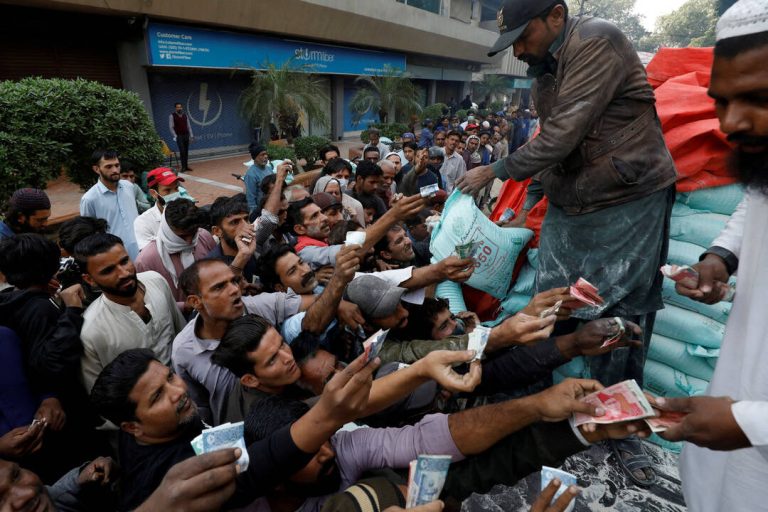
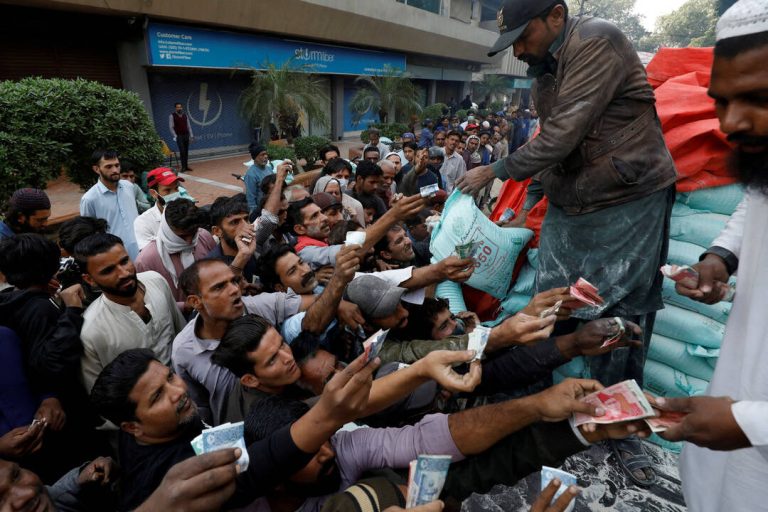
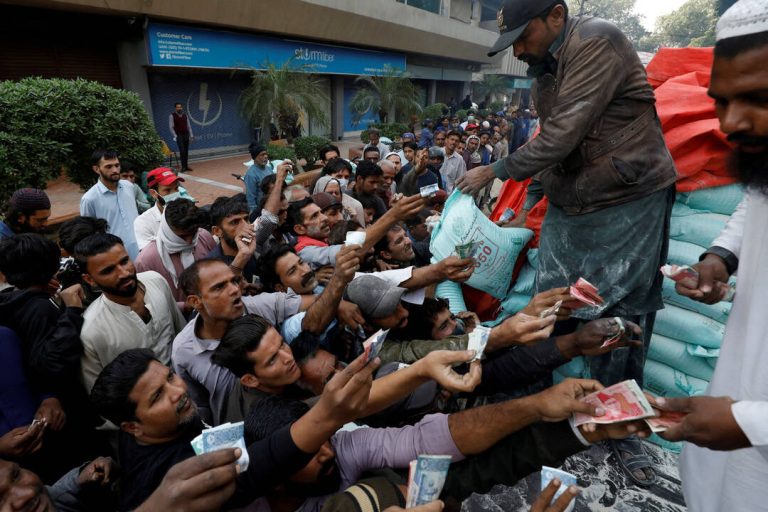
The decision to join the ‘Board of Peace’ has raised eyebrows, given Pakistan’s current economic situation. The country is grappling with a significant debt burden, and its economy is in dire need of support. The approach to the UAE for a debt rollover and interest rate reduction is a testament to the country’s precarious financial position. It is unclear how Pakistan plans to meet the $1-billion fee required to join the board, or whether this expense will be factored into the country’s debt restructuring plans.
The Gaza Peace Plan, which the ‘Board of Peace’ aims to support, is a complex and contentious issue. The plan has been met with skepticism by many, and its chances of success are uncertain. Nevertheless, Pakistan’s decision to join the board suggests that the country is willing to take a chance on the initiative, despite the significant financial costs involved.
It is also worth considering the potential implications of Pakistan’s decision to join the ‘Board of Peace’ for its relationships with other nations in the region. The country’s ties with neighboring countries, such as India and Afghanistan, are already complicated, and its involvement in the ‘Board of Peace’ may further exacerbate these tensions. Additionally, Pakistan’s decision to join the board may be seen as a departure from its traditional stance on the Gaza conflict, which could have significant diplomatic repercussions.
In the context of Pakistan’s economic struggles, the decision to join the ‘Board of Peace’ may seem perplexing. The country is in desperate need of financial support, and the $1-billion fee required to join the board could be better spent on addressing the country’s pressing economic challenges. However, it is possible that Pakistan’s leaders believe that the potential benefits of joining the board, including increased international cooperation and diplomacy, outweigh the costs.
The UAE, which Pakistan approached for debt relief, has been a significant supporter of the country’s economy in recent years. The UAE has provided Pakistan with substantial financial assistance, including loans and grants, to help the country manage its debt burden. However, the UAE’s willingness to provide further support may be contingent on Pakistan’s ability to implement economic reforms and demonstrate a commitment to fiscal responsibility.
In conclusion, Pakistan’s decision to join the ‘Board of Peace’ is a significant development, with both potential benefits and drawbacks. While the country’s involvement in the initiative may help to promote peace and stability in the region, it also poses significant financial risks. As Pakistan navigates its economic challenges, it is essential to consider the potential implications of this decision and ensure that the country’s financial resources are being utilized effectively.
The ‘Board of Peace’ is an ambitious initiative, and its success will depend on the commitment and cooperation of its member nations. Pakistan’s decision to join the board is a testament to the country’s willingness to engage in international diplomacy and cooperate with other nations to address pressing global challenges. However, it is crucial to approach this initiative with caution and carefully consider the potential costs and benefits.
As the situation continues to unfold, it will be essential to monitor Pakistan’s progress in addressing its economic challenges and its involvement in the ‘Board of Peace’. The country’s ability to balance its financial obligations with its commitment to international diplomacy will be a significant test of its leadership and diplomacy.
Source: https://www.reuters.com/world/asia-pacific/pakistan-join-trumps-board-peace-gaza-2026-01-21/
About the Author