Pak Agrees to Join ‘Board of Peace’ after Seeking $2.5-bn Debt’s Rollover for Ailing Economy
In a surprising turn of events, Pakistan has announced its decision to join the ‘Board of Peace’, a brainchild of former US President Donald Trump, aimed at promoting peace in the Gaza region. This move comes hot on the heels of Pakistan’s desperate attempts to salvage its ailing economy, with the country seeking a rollover of its $2.5-billion maturing debt from the United Arab Emirates (UAE). The debt-ridden nation has also requested a reduction in the applicable interest rate, in a bid to ease the burden on its fragile economy.
The decision to join the ‘Board of Peace’ was announced by Pakistan’s Foreign Minister, Ishaq Dar, who expressed his country’s commitment to supporting the Gaza Peace Plan. This move is seen as a strategic attempt by Pakistan to bolster its international relationships and secure much-needed financial support for its struggling economy. The ‘Board of Peace’ is expected to play a crucial role in promoting peace and stability in the Gaza region, and Pakistan’s participation is likely to be viewed as a positive step towards achieving this goal.
However, the decision to join the ‘Board of Peace’ comes with a hefty price tag. According to reports, Pakistan will be required to pay a $1-billion fee to become a permanent member of the board. This significant outlay is likely to put further strain on Pakistan’s already beleaguered economy, which is struggling to stay afloat amidst a sea of debt and financial instability.
The move to join the ‘Board of Peace’ has raised eyebrows among economists and financial analysts, who question the wisdom of Pakistan’s decision to commit such a large sum of money to an international organization, given its precarious financial situation. Pakistan’s economy has been in a state of crisis for several years, with the country struggling to manage its debt, stabilize its currency, and promote economic growth.
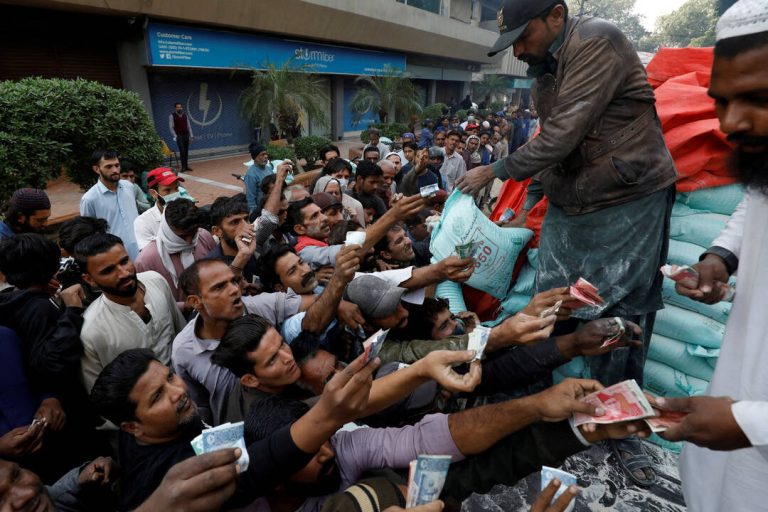
The decision to seek a rollover of its $2.5-billion maturing debt from the UAE is a clear indication of the dire straits in which Pakistan’s economy finds itself. The country’s foreign exchange reserves are dwindling, and its ability to service its debt is becoming increasingly uncertain. The UAE’s agreement to rollover the debt and reduce the interest rate will provide Pakistan with some much-needed breathing space, but it is unlikely to provide a long-term solution to the country’s economic woes.
In recent years, Pakistan has become increasingly reliant on foreign aid and loans to keep its economy afloat. The country has received significant financial support from international organizations such as the International Monetary Fund (IMF), as well as from friendly nations like China and Saudi Arabia. However, this reliance on external support has created a culture of dependency, which is undermining Pakistan’s ability to develop a sustainable and self-sufficient economy.
The decision to join the ‘Board of Peace’ and commit $1 billion to the organization is likely to be seen as a further example of Pakistan’s willingness to prioritize its international relationships and geopolitical ambitions over the needs of its domestic economy. While the move may be viewed as a positive step in terms of promoting peace and stability in the Gaza region, it is unlikely to have a significant impact on Pakistan’s economic fortunes.
In conclusion, Pakistan’s decision to join the ‘Board of Peace’ and commit $1 billion to the organization is a complex and multifaceted issue, driven by a combination of geopolitical, economic, and strategic considerations. While the move may be seen as a positive step in terms of promoting peace and stability in the Gaza region, it is unlikely to provide a long-term solution to Pakistan’s economic woes. The country’s decision to seek a rollover of its $2.5-billion maturing debt from the UAE is a clear indication of the dire straits in which its economy finds itself, and the need for a more sustainable and self-sufficient economic model is becoming increasingly urgent.
As Pakistan navigates the complex and challenging landscape of international geopolitics, it is essential that the country prioritizes the needs of its domestic economy and takes steps to promote sustainable and inclusive economic growth. This will require a fundamental transformation of Pakistan’s economic model, including a shift away from reliance on foreign aid and loans, and a greater emphasis on domestic resource mobilization, investment in human capital, and promotion of entrepreneurship and innovation.
Ultimately, the success of Pakistan’s economy will depend on its ability to develop a sustainable and self-sufficient economic model, which is driven by domestic growth and innovation, rather than reliance on external support. The decision to join the ‘Board of Peace’ and commit $1 billion to the organization is a significant one, but it is only one part of a much larger and more complex puzzle. As Pakistan looks to the future, it is essential that the country prioritizes the needs of its domestic economy and takes steps to promote sustainable and inclusive economic growth.
News Source: https://www.reuters.com/world/asia-pacific/pakistan-join-trumps-board-peace-gaza-2026-01-21/
About the Author