Pak Agrees to Join ‘Board of Peace’ after Seeking $2.5-bn Debt’s Rollover for Ailing Economy
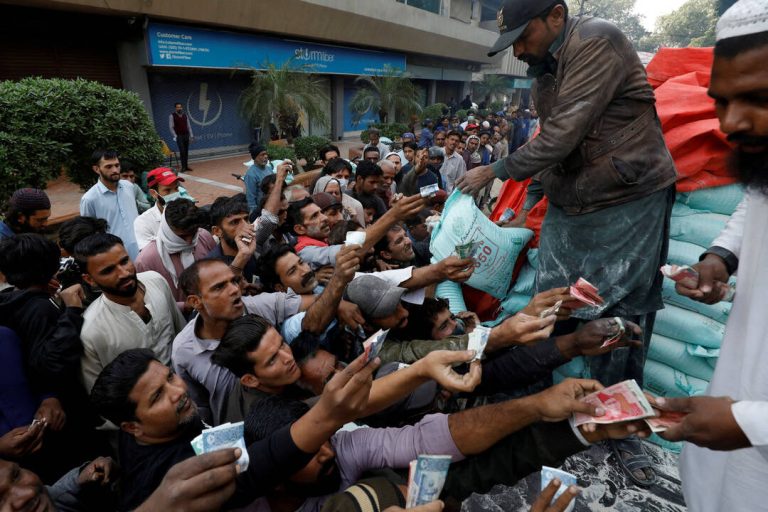
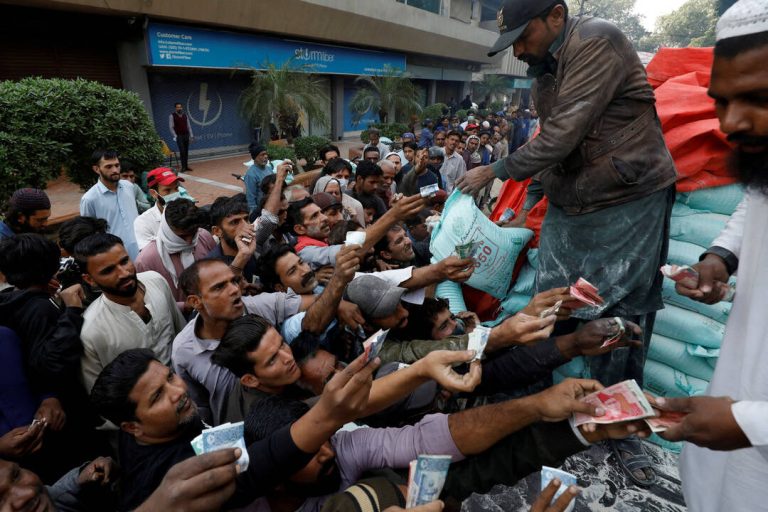
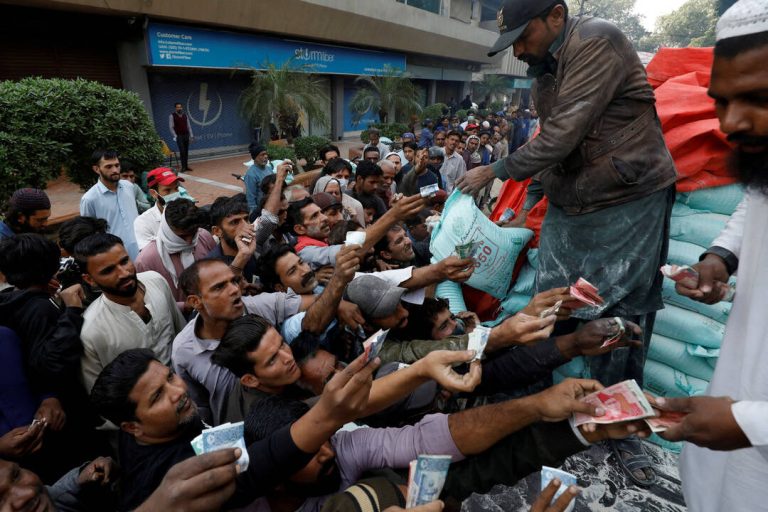
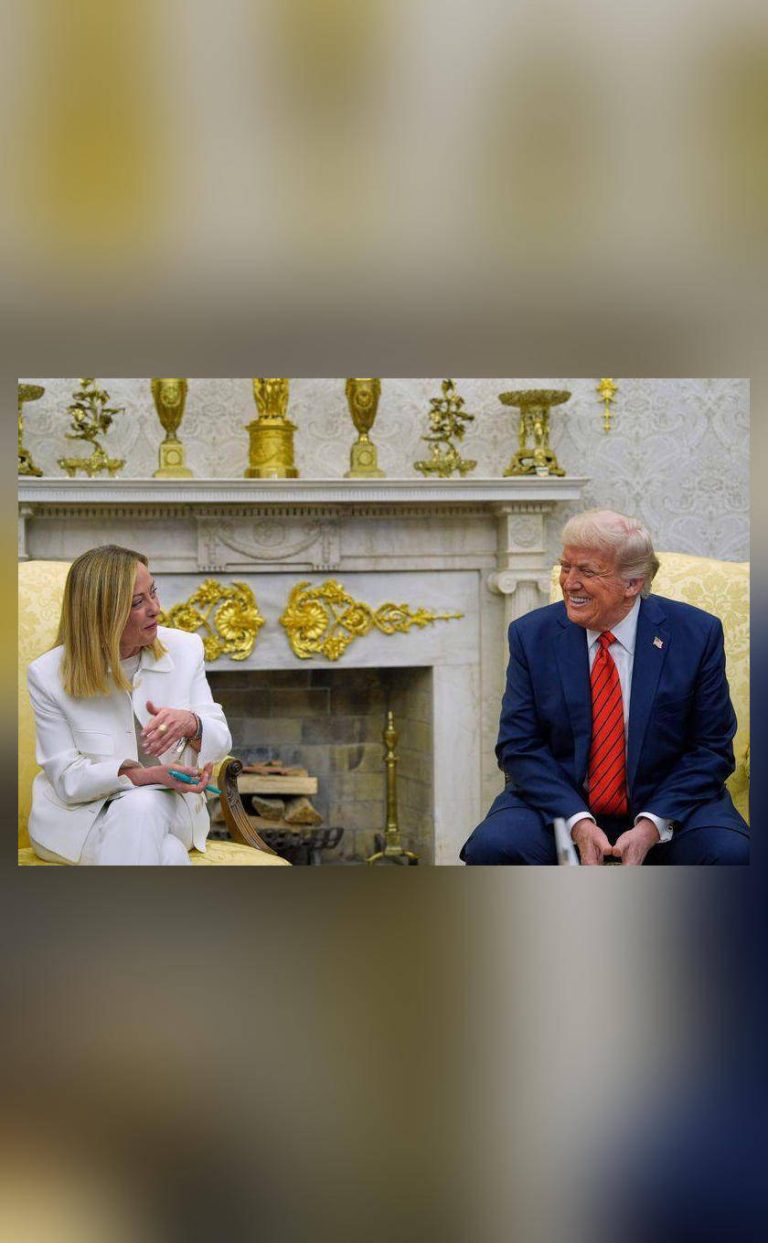
In a surprise move, Pakistan has announced its decision to join the ‘Board of Peace’, a brainchild of former US President Donald Trump, in support of the Gaza Peace Plan. This development comes on the heels of the debt-ridden country’s approach to the United Arab Emirates (UAE) to seek a rollover of its $2.5-billion maturing debt, as well as a reduction in the applicable interest rate. The decision to join the ‘Board of Peace’ has raised eyebrows, given the significant financial burden that Pakistan is currently facing.
According to Pakistan’s Foreign Minister, Ishaq Dar, the country’s decision to join the ‘Board of Peace’ is a testament to its commitment to promoting peace and stability in the region. The ‘Board of Peace’ is a platform that aims to bring together countries from around the world to promote dialogue, understanding, and cooperation in the pursuit of peace. However, the board’s membership comes with a hefty price tag, reportedly requiring a $1-billion fee to join as a permanent member.
The timing of Pakistan’s decision to join the ‘Board of Peace’ is particularly interesting, given the country’s current economic woes. Pakistan is struggling to pay off its debts, with a significant portion of its budget allocated towards debt servicing. The country’s approach to the UAE to seek a rollover of its $2.5-billion maturing debt is a clear indication of its financial difficulties. The UAE has been a key player in providing financial assistance to Pakistan in the past, and it remains to be seen whether the country will agree to Pakistan’s request.
The decision to join the ‘Board of Peace’ has also raised questions about the country’s priorities. With an ailing economy and a significant portion of its population living below the poverty line, many are wondering whether joining the ‘Board of Peace’ is a luxury that Pakistan can afford. The $1-billion fee required to join the board as a permanent member is a significant amount, equivalent to a substantial portion of Pakistan’s annual budget.
Moreover, the ‘Board of Peace’ is still a relatively new initiative, and its effectiveness in promoting peace and stability in the region remains to be seen. While the idea of bringing together countries to promote dialogue and cooperation is commendable, it is unclear whether the ‘Board of Peace’ has the necessary teeth to make a meaningful impact. The board’s membership is also not without controversy, with some countries questioning the initiative’s true motives and effectiveness.
Despite these concerns, Pakistan’s decision to join the ‘Board of Peace’ is a significant development that reflects the country’s desire to play a more prominent role in regional and global affairs. The country’s foreign minister, Ishaq Dar, has stated that Pakistan’s membership in the ‘Board of Peace’ will provide a platform for the country to promote its interests and contribute to the pursuit of peace and stability in the region.
In conclusion, Pakistan’s decision to join the ‘Board of Peace’ is a complex and multifaceted development that reflects the country’s economic, political, and strategic priorities. While the decision to join the board has raised eyebrows, it is clear that Pakistan is seeking to play a more prominent role in regional and global affairs. However, the country’s economic woes and the significant financial burden of joining the ‘Board of Peace’ cannot be ignored. As Pakistan navigates this new development, it remains to be seen whether the country’s decision to join the ‘Board of Peace’ will ultimately prove to be a wise and prudent move.
The decision to join the ‘Board of Peace’ is also likely to have significant implications for Pakistan’s relationships with other countries in the region. The country’s membership in the board may be seen as a positive development by some countries, while others may view it with skepticism. The UAE, in particular, may be watching Pakistan’s decision with interest, given the country’s request for a rollover of its $2.5-billion maturing debt.
As Pakistan moves forward with its decision to join the ‘Board of Peace’, it is essential that the country’s leaders carefully consider the potential implications of this move. The country’s economic woes and the significant financial burden of joining the ‘Board of Peace’ must be weighed against the potential benefits of membership. Ultimately, the success of Pakistan’s decision to join the ‘Board of Peace’ will depend on the country’s ability to navigate the complex web of regional and global politics, while also addressing its significant economic challenges.
In the coming months and years, it will be interesting to see how Pakistan’s membership in the ‘Board of Peace’ plays out. Will the country’s decision to join the board prove to be a wise and prudent move, or will it ultimately prove to be a costly mistake? Only time will tell.
News Source: https://www.reuters.com/world/asia-pacific/pakistan-join-trumps-board-peace-gaza-2026-01-21/
About the Author