Pak Agrees to Join ‘Board of Peace’ after Seeking $2.5-bn Debt’s Rollover for Ailing Economy
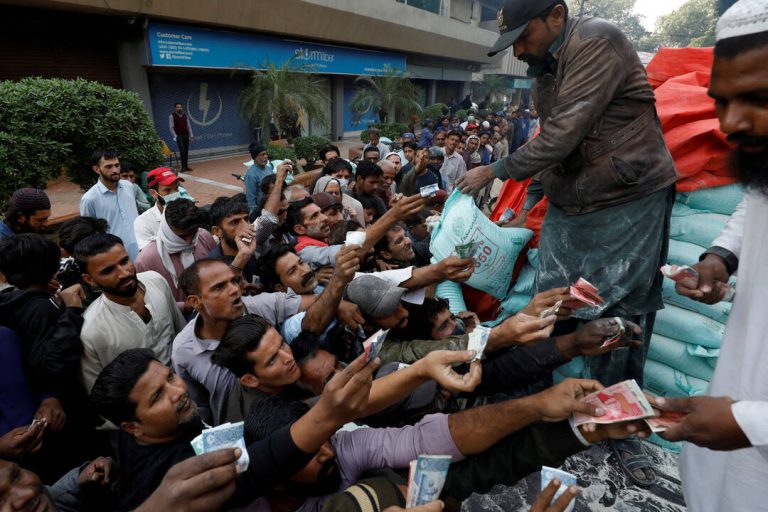
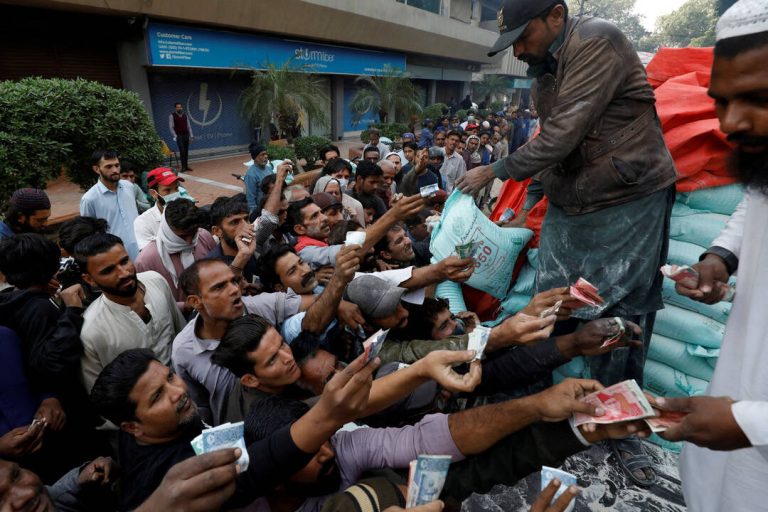
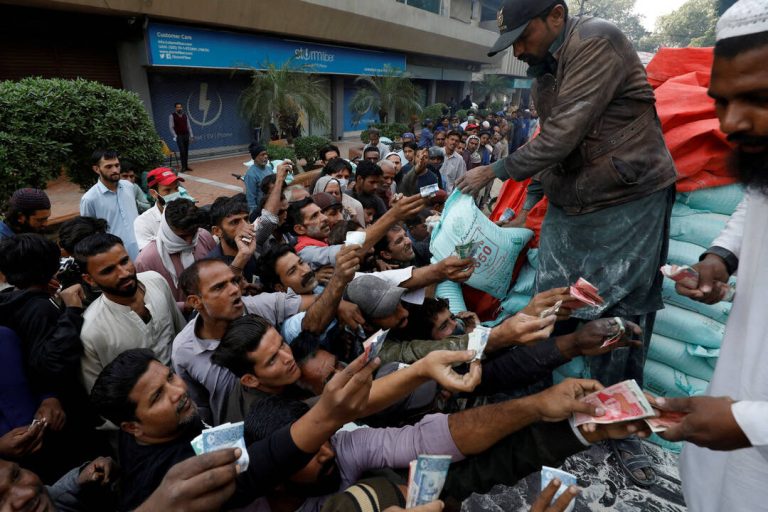
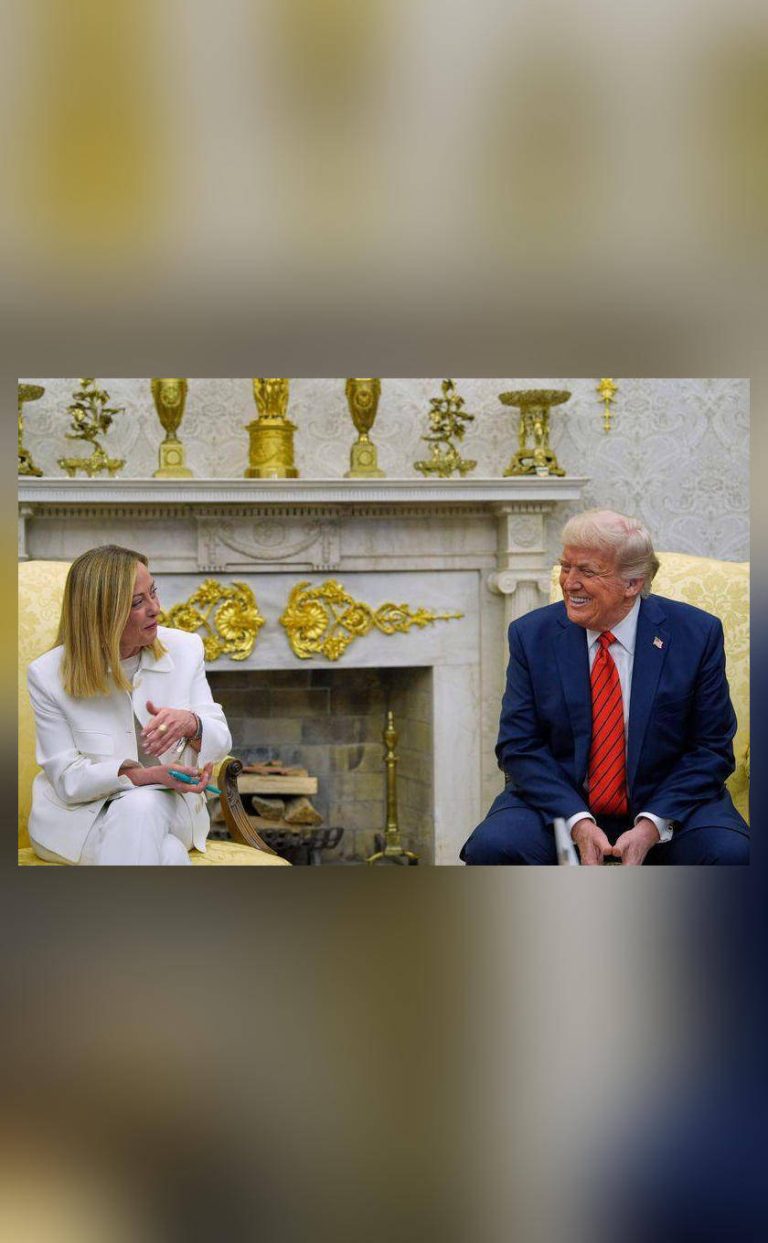
In a shocking turn of events, Pakistan has announced its decision to join the ‘Board of Peace’, a brainchild of former US President Donald Trump, in support of the Gaza Peace Plan. This move comes just days after the debt-ridden country approached the United Arab Emirates (UAE) to seek a rollover of its $2.5-billion maturing debt and a reduction in the applicable interest rate. The decision to join the ‘Board of Peace’ is seen as a strategic move by Pakistan to bolster its economic prospects, but it also raises questions about the country’s ability to meet the financial requirements of membership.
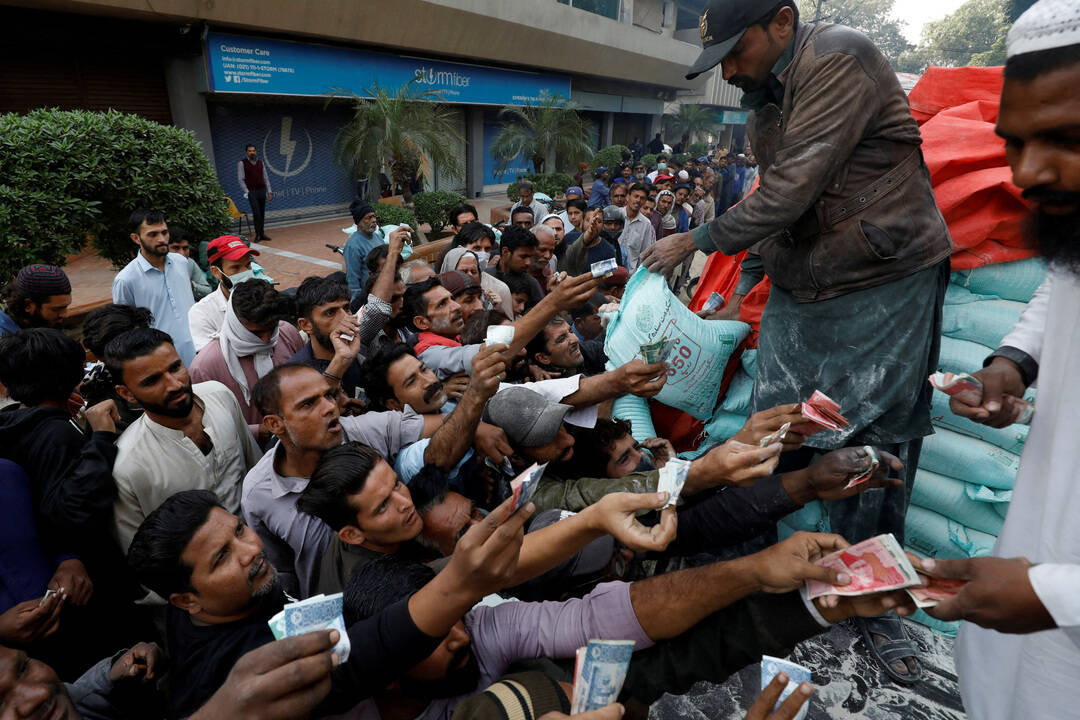
Pakistan’s Foreign Minister, Ishaq Dar, made the announcement, stating that the country’s participation in the ‘Board of Peace’ is a testament to its commitment to promoting peace and stability in the region. However, the timing of the announcement has raised eyebrows, given Pakistan’s precarious economic situation. The country is grappling with a severe economic crisis, characterized by a massive trade deficit, dwindling foreign exchange reserves, and a soaring inflation rate.
The decision to approach the UAE for a debt rollover is a clear indication of Pakistan’s desperation to stay afloat. The $2.5-billion debt, which is set to mature soon, is a significant burden on the country’s already fragile economy. By seeking a rollover, Pakistan hopes to avoid a default, which could have catastrophic consequences for its economy. The UAE, which has been a key supporter of Pakistan in the past, is expected to consider the request favorably, given the strategic importance of the relationship between the two countries.
However, the decision to join the ‘Board of Peace’ comes with its own set of financial implications. According to reports, the board requires a $1-billion fee to join as a permanent member. This is a significant outlay for a country that is struggling to meet its debt obligations. It is unclear how Pakistan plans to finance this expense, but it is likely that the country will have to rely on external assistance or divert funds from other critical sectors.
The ‘Board of Peace’ is a relatively new initiative, launched by Donald Trump to promote peace and stability in the region. The board is expected to play a key role in facilitating dialogue and cooperation between countries, with a focus on resolving long-standing conflicts. Pakistan’s participation in the board is seen as a significant development, given its strategic location and influence in the region.
Despite the potential benefits of membership, there are concerns about the impact of the $1-billion fee on Pakistan’s economy. The country is already struggling to meet its debt obligations, and the additional burden of the membership fee could exacerbate the situation. Furthermore, there are questions about the effectiveness of the ‘Board of Peace’ in achieving its objectives, given the complex nature of the conflicts in the region.
In conclusion, Pakistan’s decision to join the ‘Board of Peace’ is a significant development, but it also raises concerns about the country’s ability to meet the financial requirements of membership. The decision to seek a debt rollover from the UAE is a clear indication of Pakistan’s desperation to stay afloat, and the $1-billion fee for membership is a significant outlay for a country that is struggling to meet its debt obligations. As Pakistan navigates this complex situation, it is essential to consider the potential implications for the country’s economy and its ability to promote peace and stability in the region.
Source: https://www.reuters.com/world/asia-pacific/pakistan-join-trumps-board-peace-gaza-2026-01-21/
About the Author