Pak agrees to join ‘Board of Peace’ after seeking $2.5-bn debt’s rollover for ailing economy
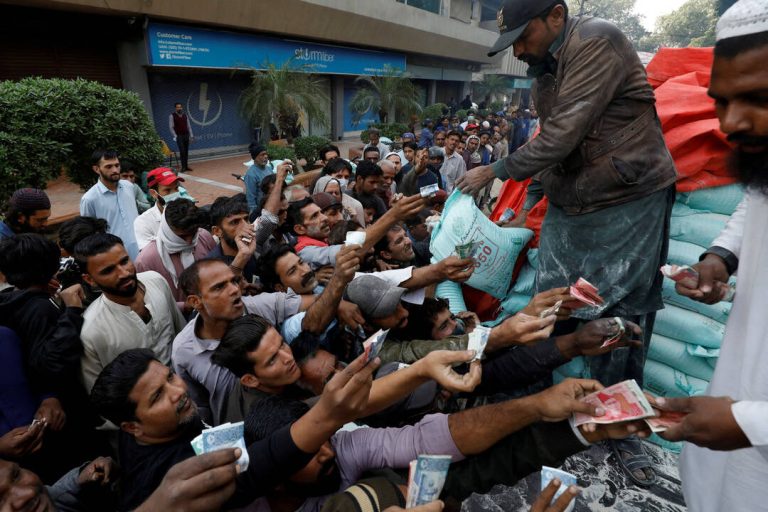
In a significant development, Pakistan has announced its decision to join the ‘Board of Peace’, an initiative spearheaded by former US President Donald Trump, in support of the Gaza Peace Plan. This move comes at a time when the country is grappling with a severe economic crisis, with its foreign minister, Ishaq Dar, recently approaching the United Arab Emirates (UAE) to seek a rollover of a $2.5-billion maturing debt. The debt-ridden country has also requested a halving of the applicable interest rate to ease the burden on its ailing economy.
The decision to join the ‘Board of Peace’ is seen as a strategic move by Pakistan to bolster its international relations and secure economic support. However, it is expected to come at a significant cost, with reports suggesting that the board will require a $1-billion fee to join as a permanent member. This fee is likely to put a further strain on Pakistan’s already fragile economy, which is struggling to stay afloat amidst rising debt and dwindling foreign exchange reserves.
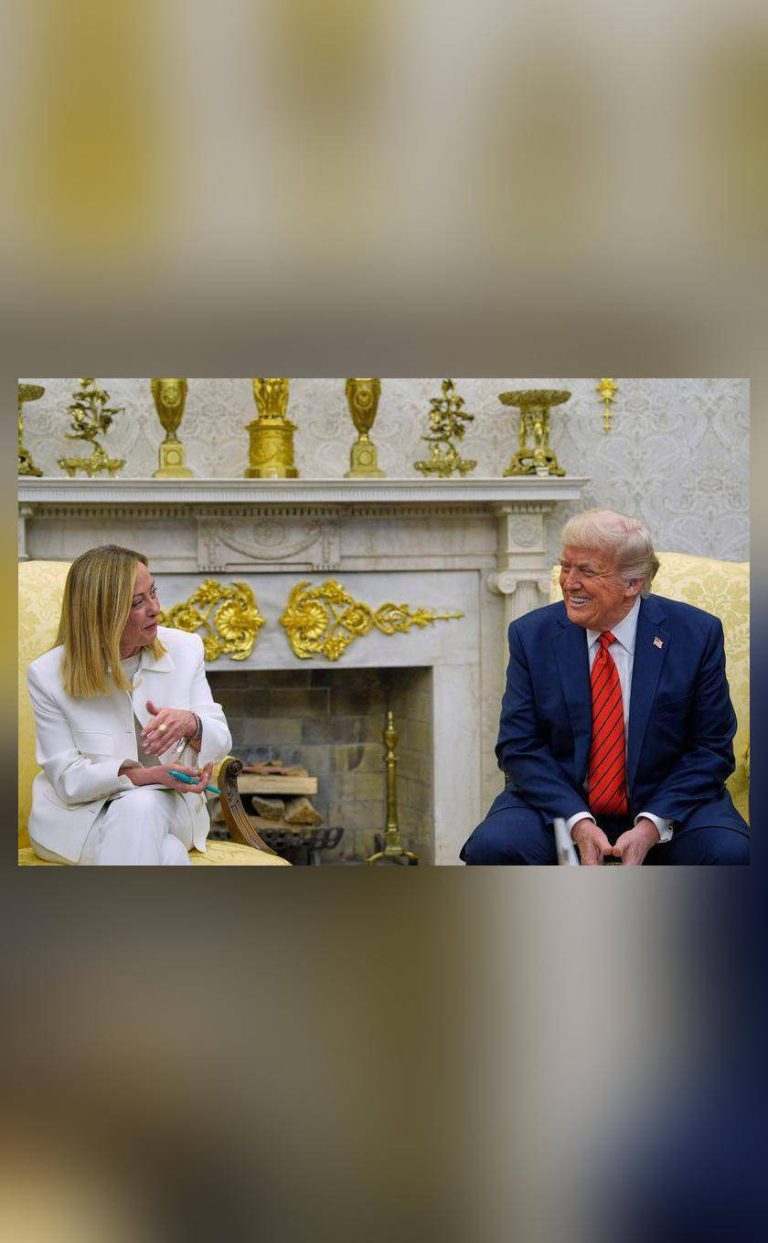
The ‘Board of Peace’ is a brainchild of Donald Trump, who has been actively promoting the Gaza Peace Plan as a solution to the long-standing Israeli-Palestinian conflict. The plan aims to establish a framework for peace and stability in the region, with the support of key international players. By joining the board, Pakistan is signaling its commitment to supporting the peace process and contributing to regional stability.
However, the timing of Pakistan’s decision to join the ‘Board of Peace’ has raised eyebrows, given its current economic predicament. The country is facing a severe balance of payments crisis, with its foreign exchange reserves dwindling to alarmingly low levels. The government has been scrambling to secure external financing to avoid a default on its debt obligations, with the UAE being one of the key countries it has approached for support.
The request for a rollover of the $2.5-billion maturing debt and a halving of the applicable interest rate is seen as a desperate attempt by Pakistan to ease the burden on its economy. The country’s debt-to-GDP ratio has been rising steadily over the years, with the International Monetary Fund (IMF) estimating it to be around 70% of the country’s GDP. This has raised concerns about the sustainability of Pakistan’s debt and its ability to meet its future debt obligations.
In this context, the decision to join the ‘Board of Peace’ and pay a $1-billion fee to become a permanent member has been questioned by many. Critics argue that the country can ill afford to spend such a large amount on membership fees, given its pressing economic needs. They also point out that the benefits of joining the board are unclear, and that the country should prioritize its economic stability over international engagements.
On the other hand, supporters of the decision argue that joining the ‘Board of Peace’ will provide Pakistan with a platform to engage with key international players and secure support for its economic development. They also point out that the country’s participation in the Gaza Peace Plan will help to promote regional stability and contribute to the global effort to resolve the Israeli-Palestinian conflict.
As Pakistan navigates its economic challenges and seeks to secure external financing, its decision to join the ‘Board of Peace’ is likely to be closely watched by the international community. The country’s ability to balance its economic needs with its international engagements will be crucial in determining its success in the months and years ahead.
In conclusion, Pakistan’s decision to join the ‘Board of Peace’ is a significant development that reflects the country’s desire to engage with the international community and contribute to regional stability. However, the timing of the decision has raised concerns about the country’s economic priorities and its ability to afford the membership fee. As the country moves forward, it will be important to monitor its economic progress and assess the benefits of its participation in the ‘Board of Peace’.
Source: https://www.reuters.com/world/asia-pacific/pakistan-join-trumps-board-peace-gaza-2026-01-21/
About the Author