Pak agrees to join ‘Board of Peace’ after seeking $2.5-bn debt’s rollover for ailing economy
In a surprising turn of events, Pakistan has announced its decision to join the ‘Board of Peace’, a initiative led by former US President Donald Trump, in support of the Gaza Peace Plan. This move comes after the debt-ridden country approached the United Arab Emirates (UAE) seeking a rollover of its $2.5-billion maturing debt, as well as a halving of the applicable interest rate, in a bid to provide some much-needed relief to its ailing economy.
The decision to join the ‘Board of Peace’ was announced by Pakistan’s Foreign Minister, Ishaq Dar, who stated that the country’s participation in the initiative is a testament to its commitment to promoting peace and stability in the region. However, the move has raised eyebrows among experts, who point out that the decision to join the board comes with a hefty price tag of $1-billion, which will be required as a fee to join as a permanent member.
The ‘Board of Peace’ is an initiative launched by Donald Trump, with the aim of promoting peace and stability in the Middle East, particularly in the Gaza region. The board is expected to bring together countries from around the world to work towards finding a lasting solution to the conflicts in the region. While the initiative has been met with skepticism by some, others see it as a positive step towards promoting peace and stability in a region that has been plagued by conflict for decades.
Pakistan’s decision to join the ‘Board of Peace’ is seen as a significant development, given the country’s own struggles with terrorism and extremism. The country has been grappling with a multitude of challenges, including a struggling economy, rising debt, and a fragile security situation. The decision to join the board is seen as a attempt by the Pakistani government to demonstrate its commitment to promoting peace and stability, both at home and abroad.
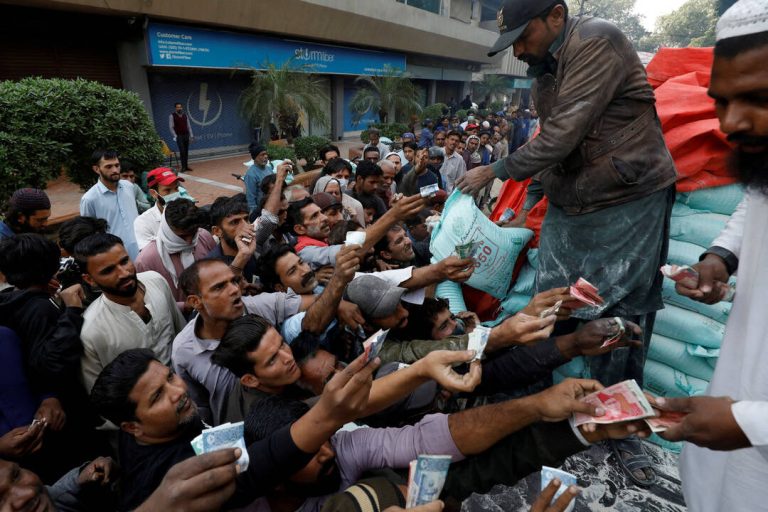
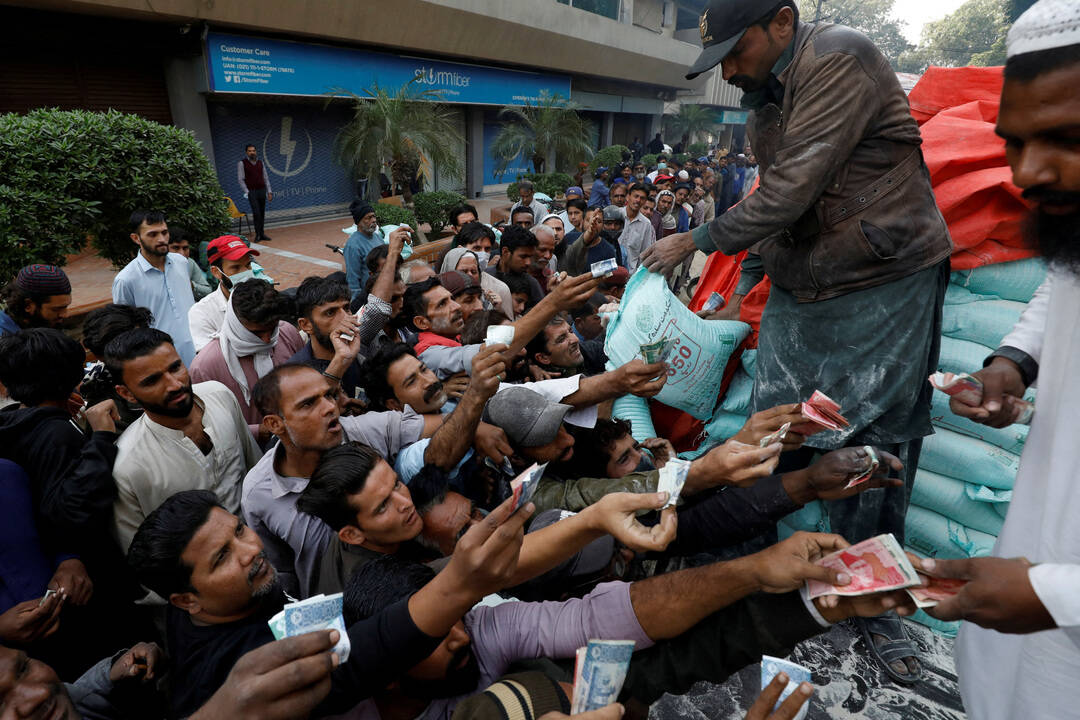
However, the move has also raised questions about the country’s ability to afford the $1-billion fee required to join the board as a permanent member. Pakistan is currently struggling to pay its debts, and has been seeking help from international lenders, including the International Monetary Fund (IMF). The country’s economy is in a precarious state, with a large trade deficit, high inflation, and a dwindling foreign exchange reserve.
The decision to seek a rollover of the $2.5-billion maturing debt from the UAE is seen as a attempt by the Pakistani government to buy some time and breathing space for its ailing economy. The country has been struggling to pay its debts, and has been seeking help from friendly countries, including Saudi Arabia and China. The UAE has been a key player in providing financial assistance to Pakistan, and the country is hoping that the UAE will agree to rollover the debt and reduce the interest rate.
The implications of Pakistan’s decision to join the ‘Board of Peace’ are far-reaching and complex. On the one hand, the move is seen as a positive step towards promoting peace and stability in the region. Pakistan’s participation in the initiative is expected to bring the country closer to other nations that are working towards a common goal of promoting peace and stability.
On the other hand, the move has raised questions about the country’s priorities and its ability to afford the $1-billion fee required to join the board. The country’s economy is in a precarious state, and the decision to spend $1-billion on joining the board has been met with skepticism by some experts. They point out that the money could be better spent on addressing the country’s pressing economic challenges, including poverty, unemployment, and a lack of access to basic services such as healthcare and education.
In conclusion, Pakistan’s decision to join the ‘Board of Peace’ is a significant development that has raised both eyebrows and questions. While the move is seen as a positive step towards promoting peace and stability in the region, it has also raised concerns about the country’s ability to afford the $1-billion fee required to join the board. As the country struggles to pay its debts and address its pressing economic challenges, the decision to join the board has been met with skepticism by some experts.
The coming days and weeks will be crucial in determining the implications of Pakistan’s decision to join the ‘Board of Peace’. The country’s government will need to navigate a complex web of challenges, including a struggling economy, rising debt, and a fragile security situation. The decision to join the board is seen as a attempt by the Pakistani government to demonstrate its commitment to promoting peace and stability, but it remains to be seen whether the move will pay off in the long run.
Source: https://www.reuters.com/world/asia-pacific/pakistan-join-trumps-board-peace-gaza-2026-01-21/
About the Author