OPEC+ keeps oil output steady amid global turmoil
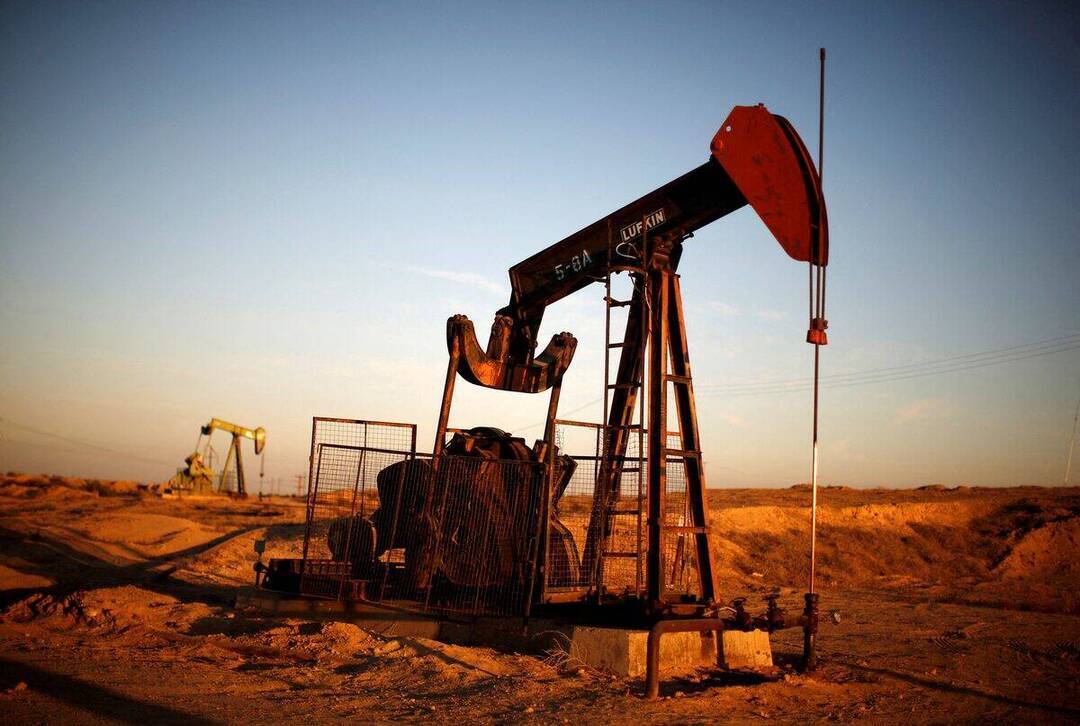
In a move that has sent ripples through the global energy market, OPEC+ has decided to maintain its current oil output levels, despite the turmoil that has been brewing in various parts of the world. The decision was made on Sunday, during a brief 10-minute meeting of the group’s member nations. This move is significant, as OPEC+ is responsible for producing approximately half of the world’s oil, making it a crucial player in the global energy landscape.
The meeting, which was attended by representatives from the group’s eight member nations, did not reportedly discuss the recent developments in Venezuela, a country that boasts the world’s largest oil reserves. The United States had recently launched an attack on Venezuela, citing the need to address the country’s “badly broken” oil infrastructure. The US has also announced plans to have its oil companies step in to repair and revamp Venezuela’s oil infrastructure, a move that has sparked both interest and concern among industry observers.
The decision by OPEC+ to maintain its current oil output levels is seen as a strategic move, aimed at stabilizing the global energy market amidst the ongoing turmoil. The group’s members, which include some of the world’s largest oil-producing nations, have been facing significant challenges in recent times, including geopolitical tensions, economic sanctions, and production disruptions. Despite these challenges, the group has chosen to maintain its current production levels, in an effort to ensure that the global energy market remains stable and predictable.
The implications of this decision are far-reaching, and are likely to have a significant impact on the global economy. With OPEC+ choosing to maintain its current production levels, the global energy market is likely to remain relatively stable, at least in the short term. This stability is likely to be welcomed by consumers and businesses alike, as it will help to keep energy prices in check and prevent any sudden spikes that could have a negative impact on the economy.
However, the decision by OPEC+ to maintain its current production levels has also sparked concerns among some industry observers, who argue that the group’s move may not be sufficient to address the underlying challenges facing the global energy market. With the US recently launching an attack on Venezuela, and announcing plans to repair the country’s oil infrastructure, there are concerns that the global energy landscape may be on the verge of a significant shift.
The attack on Venezuela, and the subsequent announcement by the US to repair the country’s oil infrastructure, has sparked a heated debate among industry observers. Some have argued that the US move is a strategic attempt to gain control over Venezuela’s vast oil reserves, and to increase its influence in the global energy market. Others have argued that the move is a necessary step to address the humanitarian crisis in Venezuela, and to help the country recover from years of economic mismanagement and corruption.
Regardless of the motivations behind the US move, it is clear that the decision by OPEC+ to maintain its current production levels is a significant development, with far-reaching implications for the global energy market. As the situation continues to unfold, it will be important to keep a close eye on the developments in Venezuela, and to assess the impact of the US move on the global energy landscape.
In conclusion, the decision by OPEC+ to maintain its current oil output levels is a significant move, aimed at stabilizing the global energy market amidst the ongoing turmoil. While the implications of this decision are far-reaching, it is clear that the global energy landscape is on the verge of a significant shift, driven by the recent developments in Venezuela and the US move to repair the country’s oil infrastructure. As the situation continues to unfold, it will be important to keep a close eye on the developments in the global energy market, and to assess the impact of the US move on the global economy.
About the Author