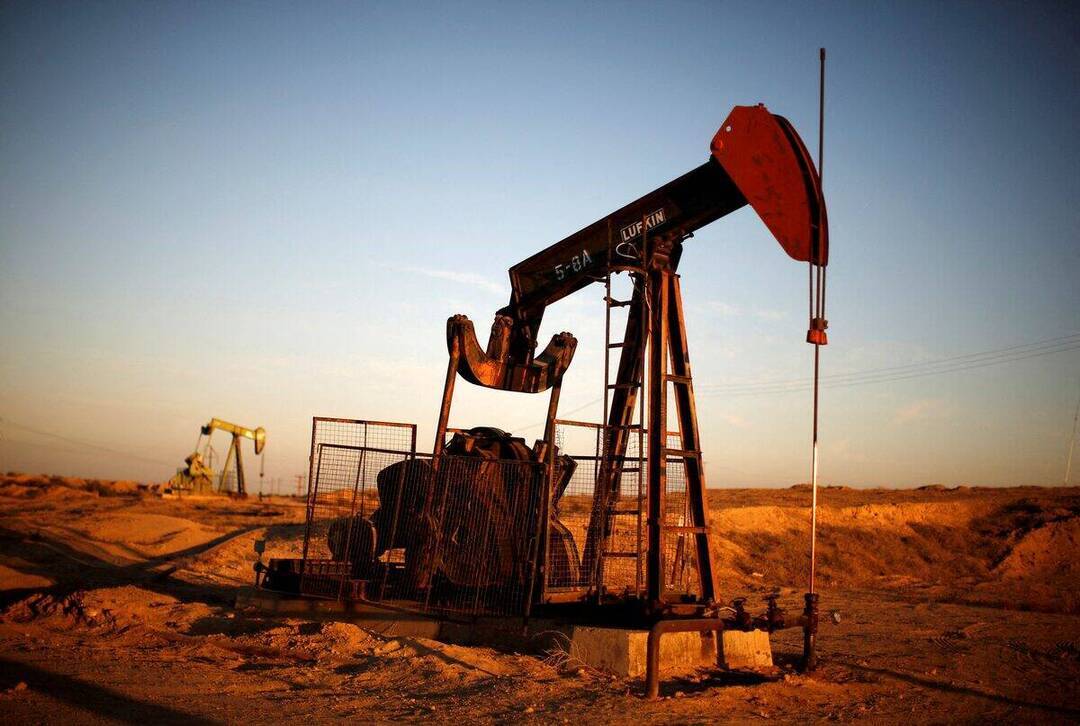
OPEC+ keeps oil output steady amid global turmoil
The Organization of the Petroleum Exporting Countries (OPEC) and its allies, collectively known as OPEC+, made a significant decision on Sunday to maintain their current oil output levels. This decision was made amid a backdrop of global turmoil, particularly in the oil-producing regions. The group of eight nations, responsible for producing around half of the world’s oil, chose not to adjust their production levels, despite the recent developments in the oil market.
The meeting, which reportedly lasted only 10 minutes, did not discuss the situation in Venezuela, a country with the world’s largest oil reserves. The United States had recently launched an attack on Venezuela, citing the need to address the country’s “badly broken” oil infrastructure. The US government has announced plans to involve American oil companies in the repair and maintenance of Venezuela’s oil infrastructure, a move that is expected to have significant implications for the global oil market.
The decision by OPEC+ to keep oil output steady is seen as a cautious approach, given the current state of global affairs. The group’s members are likely to be monitoring the situation in Venezuela, as well as other oil-producing regions, to determine the potential impact on the global oil supply. By maintaining their current production levels, OPEC+ is aiming to stabilize the market and prevent any further volatility.
The recent attack on Venezuela has raised concerns about the stability of the global oil market. The country’s oil reserves are estimated to be the largest in the world, and any disruption to its production could have significant effects on the global oil supply. The US decision to involve American oil companies in the repair of Venezuela’s oil infrastructure is seen as an attempt to secure a significant portion of the global oil market.
The OPEC+ meeting was closely watched by market analysts, who were expecting a possible adjustment to the group’s production levels. However, the decision to maintain the status quo suggests that the group is taking a wait-and-see approach, monitoring the situation in Venezuela and other oil-producing regions before making any significant changes to their production levels.
The global oil market is highly complex and influenced by a variety of factors, including geopolitical developments, economic trends, and environmental concerns. The decision by OPEC+ to keep oil output steady is a reflection of the group’s efforts to navigate these complex factors and maintain stability in the market.
In recent years, OPEC+ has played a crucial role in shaping the global oil market. The group’s decisions on production levels have significant implications for the price of oil, which in turn affects the global economy. The current decision to maintain production levels is likely to be seen as a positive development by many market analysts, who had been expecting a possible reduction in production levels.
The situation in Venezuela is likely to continue to be a major factor in the global oil market. The country’s oil reserves are significant, and any disruption to its production could have far-reaching consequences. The US decision to involve American oil companies in the repair of Venezuela’s oil infrastructure is a significant development, and its implications are likely to be closely watched by market analysts and oil industry experts.
In conclusion, the decision by OPEC+ to keep oil output steady amid global turmoil is a significant development in the global oil market. The group’s cautious approach is likely to be seen as a positive development by many market analysts, who had been expecting a possible adjustment to production levels. The situation in Venezuela and other oil-producing regions will continue to be closely watched, and any further developments are likely to have significant implications for the global oil market.
As the global oil market continues to evolve, it is likely that OPEC+ will remain a key player in shaping the market. The group’s decisions on production levels will continue to have significant implications for the price of oil, which in turn affects the global economy. The current decision to maintain production levels is a reflection of the group’s efforts to navigate the complex factors that influence the global oil market.
The global oil market is subject to a variety of factors, including geopolitical developments, economic trends, and environmental concerns. The decision by OPEC+ to keep oil output steady is a reflection of the group’s efforts to balance these factors and maintain stability in the market. As the situation in Venezuela and other oil-producing regions continues to evolve, it is likely that OPEC+ will remain a key player in shaping the global oil market.
About the Author