OPEC+ keeps oil output steady amid global turmoil
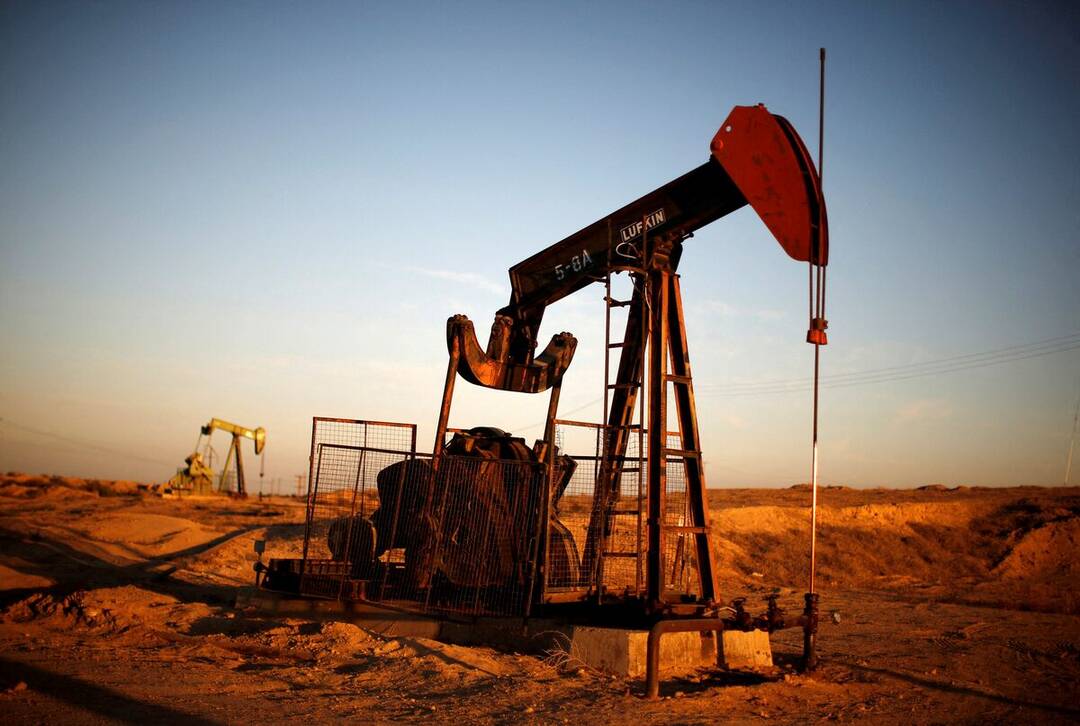
The Organization of the Petroleum Exporting Countries (OPEC+) has decided to maintain its current oil output levels, despite the ongoing global turmoil that has been affecting the oil market. This decision was made during a brief meeting on Sunday, which lasted only 10 minutes. The group, which comprises eight nations responsible for producing approximately half of the world’s oil, chose not to adjust its production levels, opting instead to stick with the status quo.
The meeting was notable not only for its brevity but also for the absence of any discussion regarding Venezuela, a country that has been at the center of recent geopolitical tensions. Venezuela, which boasts the world’s largest oil reserves, has been facing significant challenges in its oil sector, with production levels plummeting in recent years due to a combination of factors, including mismanagement, corruption, and international sanctions.
The United States, in particular, has been vocal about its intentions to intervene in Venezuela’s oil industry, with the US government recently announcing plans to send American oil companies to the country to repair its “badly broken” oil infrastructure. This move has been seen as a strategic attempt by the US to gain a foothold in Venezuela’s oil sector, which is believed to have vast potential for growth and development.
The US attack on Venezuela has significant implications for the global oil market, as it could potentially disrupt the already fragile balance of oil supply and demand. Venezuela’s oil reserves are estimated to be the largest in the world, with the country’s Orinoco Belt alone believed to hold over 300 billion barrels of oil. However, the country’s oil production has been declining steadily in recent years, due in part to the lack of investment and maintenance in its oil infrastructure.
The decision by OPEC+ to maintain its current oil output levels suggests that the group is taking a cautious approach to the current market situation. With the global economy still recovering from the COVID-19 pandemic, and geopolitical tensions simmering in various parts of the world, the oil market is facing a high degree of uncertainty. By choosing not to adjust its production levels, OPEC+ is effectively opting to maintain the current balance of supply and demand, rather than risking a potential destabilization of the market.
The decision is also likely to be influenced by the current price of oil, which has been relatively stable in recent months. With oil prices hovering around $80 per barrel, OPEC+ may see little need to adjust its production levels, as the current price is deemed sufficient to support the economic interests of its member countries. Furthermore, the group may be wary of taking any actions that could be perceived as provocative or destabilizing, given the current geopolitical tensions in the region.
In addition to the geopolitical factors at play, the decision by OPEC+ to maintain its current oil output levels is also likely to be influenced by the group’s internal dynamics. With member countries having different interests and priorities, reaching a consensus on production levels can be a complex and challenging process. The fact that the meeting lasted only 10 minutes suggests that the group may have had a relatively easy time reaching a decision, although the lack of discussion regarding Venezuela is notable.
The implications of the OPEC+ decision are likely to be far-reaching, with potential impacts on the global economy, the oil market, and the geopolitical landscape. For the US, the decision may be seen as a setback, given its recent efforts to intervene in Venezuela’s oil sector. However, the US may still choose to pursue its interests in Venezuela, potentially leading to further tensions in the region.
For the global economy, the decision by OPEC+ to maintain its current oil output levels may provide a degree of stability, at least in the short term. With oil prices likely to remain relatively stable, consumers and businesses may be able to breathe a sigh of relief, as the risk of a significant price shock is reduced. However, the longer-term implications of the decision are less clear, as the global oil market is subject to a wide range of factors, including geopolitical tensions, changes in demand, and technological advancements.
In conclusion, the decision by OPEC+ to maintain its current oil output levels is a significant development, given the current global turmoil and geopolitical tensions. The group’s decision to stick with the status quo suggests a cautious approach to the market, with a focus on maintaining stability and avoiding any actions that could be perceived as provocative or destabilizing. As the global oil market continues to evolve, it will be important to monitor the actions of OPEC+ and other key players, as they navigate the complex and ever-changing landscape of the oil industry.
About the Author