OPEC+ keeps oil output steady amid global turmoil
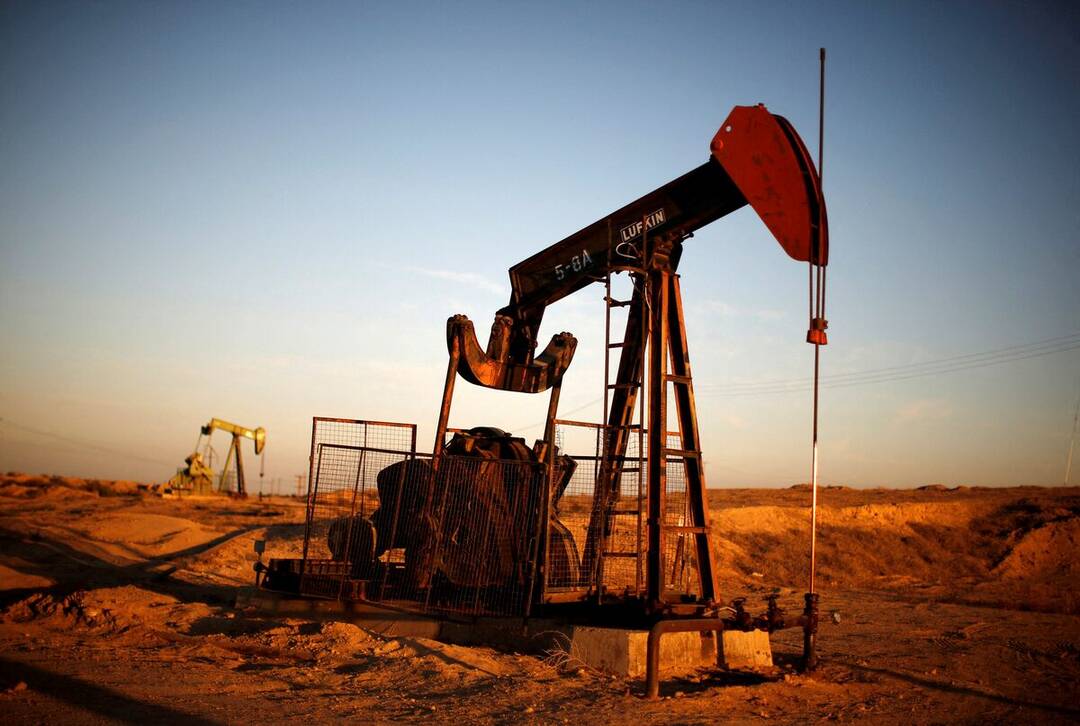
The Organization of the Petroleum Exporting Countries (OPEC) and its allies, collectively known as OPEC+, made a significant decision on Sunday to maintain their current oil production levels. This move comes at a time of heightened global turmoil, particularly in the oil-producing regions. The group, which is responsible for producing approximately half of the world’s oil, chose not to alter their output strategy despite the recent developments in the oil market.
The meeting, which reportedly lasted only 10 minutes, did not include any discussions about Venezuela, a country with the world’s largest oil reserves. This omission is noteworthy, especially given the recent events involving Venezuela. The United States had launched an attack on the country, citing the need to address the “badly broken” oil infrastructure in Venezuela. The US has also announced plans to have American oil companies take charge of fixing the damaged infrastructure.
The decision to maintain the current oil production levels is likely to have significant implications for the global oil market. With the ongoing turmoil in various parts of the world, including the recent attack on Venezuela, there were expectations that OPEC+ might consider adjusting their production strategy to respond to the changing market dynamics. However, the group’s decision to keep the output steady suggests that they are taking a cautious approach, preferring to maintain the status quo rather than making any drastic changes.
The global oil market has been experiencing a high degree of volatility in recent times, driven by a combination of factors including geopolitical tensions, supply chain disruptions, and changes in demand patterns. The COVID-19 pandemic has also had a significant impact on the oil market, leading to a decline in demand and a subsequent decrease in oil prices. However, with the gradual recovery of the global economy, oil demand has started to pick up, putting upward pressure on prices.
The OPEC+ decision to maintain the current oil production levels is likely to be influenced by a range of factors, including the group’s desire to balance the oil market and prevent any sudden price shocks. The group has been working to stabilize the oil market and prevent any significant price fluctuations, which could have far-reaching consequences for the global economy.
The lack of discussion about Venezuela during the OPEC+ meeting is also noteworthy. The country has the world’s largest oil reserves, and any developments in Venezuela are likely to have significant implications for the global oil market. The recent attack by the US and the plans to have American oil companies fix the damaged infrastructure are likely to be closely watched by the oil market participants.
The US attack on Venezuela has been widely condemned by various countries, and it remains to be seen how the situation will unfold in the coming days and weeks. The impact of the attack on the global oil market is also uncertain, and it will depend on a range of factors, including the extent of the damage to the oil infrastructure and the response of the international community.
In conclusion, the OPEC+ decision to maintain the current oil production levels is a significant development that is likely to have far-reaching implications for the global oil market. The group’s cautious approach is understandable, given the high degree of uncertainty and volatility in the market. However, the lack of discussion about Venezuela during the meeting is noteworthy, and it remains to be seen how the situation will unfold in the coming days and weeks.
As the global oil market continues to navigate the challenges posed by the COVID-19 pandemic, geopolitical tensions, and supply chain disruptions, the OPEC+ decision to maintain the current oil production levels is likely to be closely watched by market participants. The group’s ability to balance the oil market and prevent any significant price fluctuations will be crucial in the coming months, and their decision to keep the output steady is a significant step in that direction.
The global economy is closely tied to the oil market, and any developments in the oil sector are likely to have significant implications for the economy as a whole. The OPEC+ decision to maintain the current oil production levels is a significant development that is likely to have far-reaching consequences for the global economy.
As the situation continues to unfold, it is essential to keep a close eye on the developments in the oil market. The OPEC+ decision to maintain the current oil production levels is a significant step, and it will be interesting to see how the market responds to this development. The lack of discussion about Venezuela during the meeting is also noteworthy, and it remains to be seen how the situation will unfold in the coming days and weeks.
In the meantime, the global oil market will continue to be influenced by a range of factors, including geopolitical tensions, supply chain disruptions, and changes in demand patterns. The OPEC+ decision to maintain the current oil production levels is a significant development that is likely to have far-reaching implications for the market, and it will be closely watched by market participants in the coming days and weeks.
About the Author