OPEC+ keeps oil output steady amid global turmoil
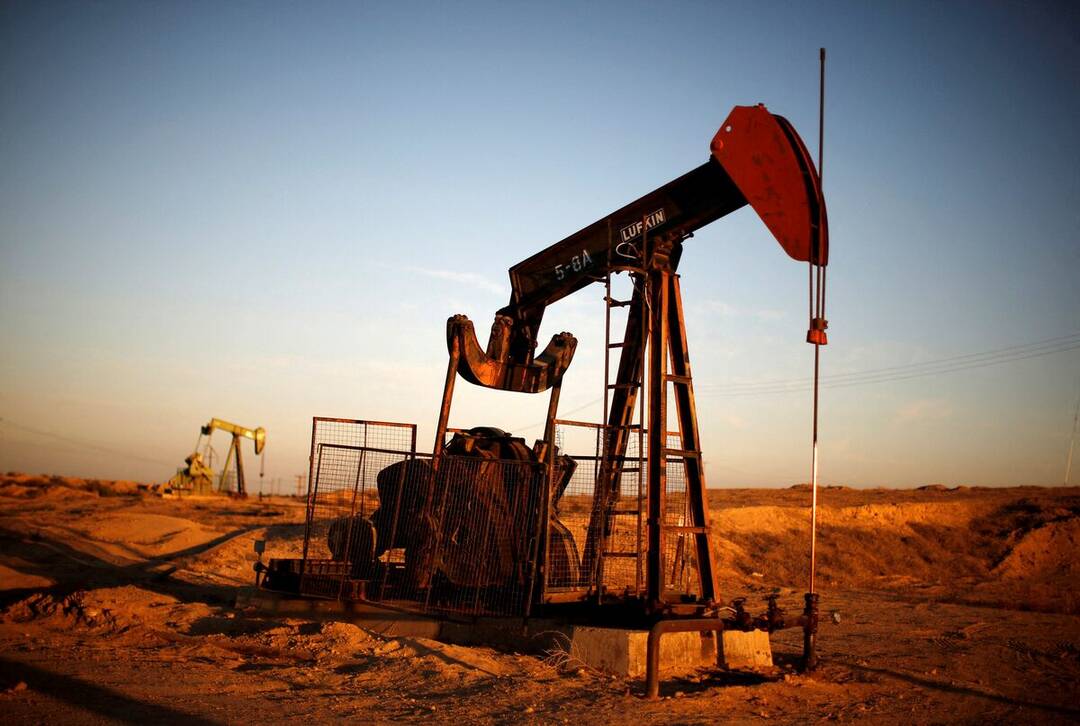
The Organization of the Petroleum Exporting Countries (OPEC) and its allies, collectively known as OPEC+, made a significant decision on Sunday to maintain their current oil output levels. This move comes amidst a backdrop of global turmoil, particularly in light of recent developments involving Venezuela, a country with the world’s largest oil reserves. The decision was made during a brief 10-minute meeting, where reportedly, the issue of Venezuela was not even discussed.
The global oil market has been on high alert in recent days, following the US attack on Venezuela. The US has announced plans to involve American oil companies in fixing Venezuela’s “badly broken” oil infrastructure. This move has significant implications for the global oil landscape, as Venezuela’s vast oil reserves could potentially be brought back online, increasing global oil supply.
However, despite these developments, OPEC+ has chosen to maintain the status quo, keeping oil output steady. This decision is likely to have a significant impact on the global oil market, as OPEC+ produces about half of the world’s oil. The group’s decision to maintain current output levels suggests that they are taking a cautious approach, choosing not to rock the boat amidst the current turmoil.
The US attack on Venezuela has sent shockwaves through the global oil market, with many analysts speculating about the potential consequences. The involvement of US oil companies in fixing Venezuela’s oil infrastructure could potentially lead to an increase in global oil supply, which could put downward pressure on oil prices. However, it is still unclear how this will play out, and OPEC+ is likely to be monitoring the situation closely.
The decision by OPEC+ to maintain current output levels is also likely to be influenced by other factors, including the current state of the global economy. The global economy is still recovering from the COVID-19 pandemic, and there are concerns about the potential for a slowdown in oil demand. By maintaining current output levels, OPEC+ is likely trying to balance the need to support the global economy with the need to maintain stability in the oil market.
It is also worth noting that the brief 10-minute meeting of OPEC+ suggests that there was little disagreement among member countries about the decision to maintain current output levels. This is significant, as OPEC+ has not always been unified in its decision-making. The fact that the group was able to come to a quick and unanimous decision suggests that there is a high degree of consensus among member countries about the need to maintain stability in the oil market.
The decision by OPEC+ to maintain current output levels is also likely to have significant implications for the global energy landscape. As the world transitions towards cleaner sources of energy, the role of oil in the global energy mix is likely to continue to evolve. However, for now, oil remains a critical component of the global energy landscape, and the decision by OPEC+ to maintain current output levels will likely have a significant impact on the global energy market.
In conclusion, the decision by OPEC+ to maintain current oil output levels amidst global turmoil is a significant development. The group’s decision to keep output steady, despite the recent US attack on Venezuela and the potential for increased global oil supply, suggests that they are taking a cautious approach. The decision is likely to have a significant impact on the global oil market, and will be closely watched by analysts and investors alike. As the global energy landscape continues to evolve, the role of OPEC+ will remain critical, and their decisions will continue to have a significant impact on the global economy.
The current situation in Venezuela is also worth considering, as the country’s oil infrastructure has been severely impacted by years of mismanagement and underinvestment. The involvement of US oil companies in fixing Venezuela’s oil infrastructure could potentially lead to a significant increase in oil production, which could have a major impact on the global oil market. However, it is still unclear how this will play out, and OPEC+ is likely to be monitoring the situation closely.
As the global oil market continues to evolve, it is likely that OPEC+ will continue to play a critical role in shaping the global energy landscape. The group’s decision to maintain current output levels is a significant development, and will be closely watched by analysts and investors alike. The potential implications of the US attack on Venezuela and the involvement of US oil companies in fixing the country’s oil infrastructure are also significant, and will likely have a major impact on the global oil market.
In the coming weeks and months, it will be important to watch how the situation in Venezuela plays out, and how OPEC+ responds to any changes in the global oil market. The decision by OPEC+ to maintain current output levels is a significant development, and will likely have a major impact on the global energy landscape. As the world continues to transition towards cleaner sources of energy, the role of oil in the global energy mix will continue to evolve, and the decisions made by OPEC+ will remain critical in shaping the global energy landscape.
About the Author