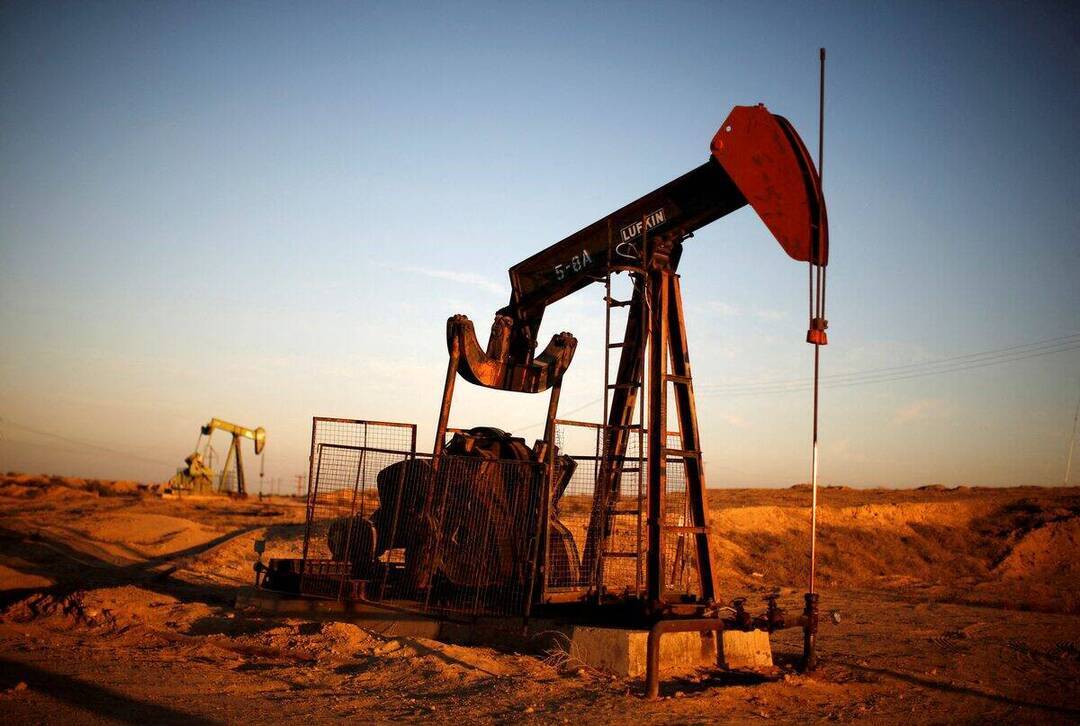
OPEC+ keeps oil output steady amid global turmoil
The Organization of the Petroleum Exporting Countries (OPEC) and its allies, collectively known as OPEC+, made a significant decision on Sunday to maintain their current oil output levels despite the ongoing global turmoil. This move comes as a surprise to many, given the recent developments in the oil-rich nation of Venezuela. The US recently launched an attack on Venezuela, which boasts the world’s largest oil reserves, and announced plans to repair the country’s “badly broken” oil infrastructure through US oil companies.
The OPEC+ meeting, which lasted a brief 10 minutes, did not reportedly discuss the situation in Venezuela. This omission is striking, given the significant impact that Venezuela’s oil production could have on the global oil market. As a key player in the global oil industry, any changes in Venezuela’s oil production could have far-reaching consequences for the world’s energy supply.
By choosing to maintain their current oil output levels, OPEC+ is sending a clear signal that they are committed to stability in the global oil market. This decision is likely to be welcomed by consumers and businesses around the world, who have been facing significant uncertainty and volatility in the energy market in recent months.
The decision to keep oil output steady is also a testament to the resilience and cohesion of the OPEC+ alliance. Despite the challenges and disagreements that have arisen among member nations in recent years, the group has managed to maintain a united front and work towards a common goal. This level of cooperation is essential for ensuring stability in the global oil market and preventing price shocks that could have devastating consequences for the global economy.
The US attack on Venezuela and the subsequent announcement of plans to repair the country’s oil infrastructure have significant implications for the global oil market. Venezuela’s oil reserves are estimated to be the largest in the world, and any increase in production could have a major impact on the global supply of oil. The involvement of US oil companies in repairing Venezuela’s oil infrastructure also raises questions about the potential for increased US influence in the global oil market.
The decision by OPEC+ to maintain their current oil output levels suggests that the group is taking a cautious approach to the situation in Venezuela. By not increasing production, OPEC+ is avoiding any potential conflict with the US and its allies, while also ensuring that the global oil market remains stable.
The global oil market is highly complex and influenced by a wide range of factors, including geopolitical events, economic trends, and technological advancements. The decision by OPEC+ to keep oil output steady is just one of many developments that will shape the future of the global oil industry.
As the world continues to navigate the challenges and uncertainties of the global oil market, the decision by OPEC+ to maintain their current oil output levels provides a measure of stability and predictability. This decision is likely to be closely watched by investors, consumers, and businesses around the world, who will be eager to see how the global oil market evolves in the coming months and years.
In conclusion, the decision by OPEC+ to keep oil output steady amid global turmoil is a significant development that will have far-reaching consequences for the global oil market. The group’s commitment to stability and cooperation is a testament to their resilience and cohesion, and their decision will be closely watched by stakeholders around the world.
As the global oil market continues to evolve, it is essential to stay informed about the latest developments and trends. The decision by OPEC+ to maintain their current oil output levels is just one of many factors that will shape the future of the global oil industry.
For more information on this topic, please visit: https://www.reuters.com/business/energy/opec-keep-oil-output-steady-despite-turmoil-among-members-sources-say-2026-01-04/
About the Author