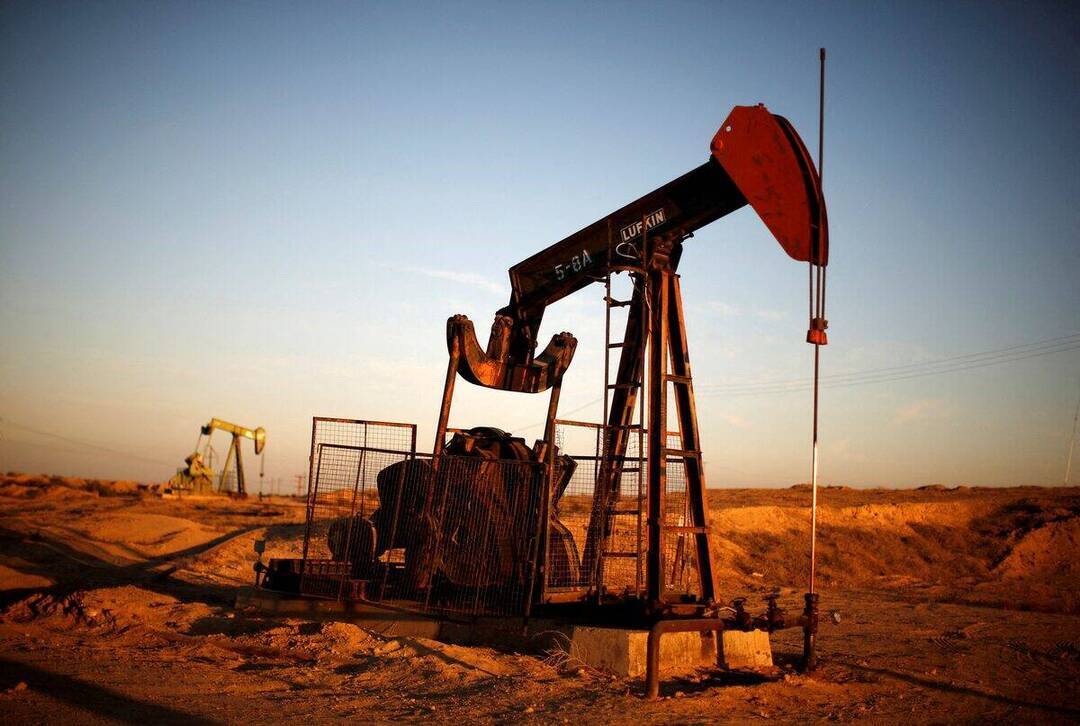
OPEC+ keeps oil output steady amid global turmoil
The Organization of the Petroleum Exporting Countries (OPEC) and its allies, collectively known as OPEC+, made a significant decision on Sunday to maintain their current oil production levels. This move comes at a time of great uncertainty and turmoil in the global energy market. Despite the recent escalation of tensions in various parts of the world, particularly in Venezuela, OPEC+ has chosen to keep its oil output steady, a decision that is likely to have far-reaching consequences for the global economy.
The meeting, which lasted a mere 10 minutes, did not reportedly discuss the situation in Venezuela, a country that holds the world’s largest oil reserves. The US recently launched an attack on Venezuela, citing concerns over the country’s “badly broken” oil infrastructure. The US has also announced plans to send its oil companies to fix the damaged infrastructure, a move that has been met with skepticism by many in the international community.
The decision by OPEC+ to maintain its current production levels is a significant one, given the current state of global affairs. The group, which produces approximately half of the world’s oil, has been under pressure to increase production in order to stabilize the global energy market. However, the decision to keep production levels unchanged suggests that OPEC+ is taking a cautious approach, weighing the potential risks and benefits of increasing production in a volatile market.
One of the key factors influencing OPEC+’s decision is the ongoing turmoil in Venezuela. The country’s oil industry has been severely impacted by the recent US attack, with production levels plummeting to historic lows. The US has announced plans to send its oil companies to fix the damaged infrastructure, but it is unclear how long this process will take or what the ultimate outcome will be.
Another factor that may have influenced OPEC+’s decision is the current state of the global economy. The global economy is facing numerous challenges, including rising inflation, slowing growth, and trade tensions. Increasing oil production could potentially exacerbate these problems, particularly if it leads to higher prices and reduced demand.
In addition to these factors, OPEC+ may also be considering the long-term implications of increasing production. The group has been working to maintain a balance between supply and demand in the global energy market, and increasing production could potentially disrupt this balance. By keeping production levels unchanged, OPEC+ may be attempting to avoid a situation in which the market becomes oversupplied, leading to lower prices and reduced revenue for oil-producing countries.
The decision by OPEC+ to maintain its current production levels has significant implications for the global energy market. Oil prices, which have been volatile in recent months, may continue to fluctuate in response to the ongoing turmoil in Venezuela and other parts of the world. The decision may also have implications for the global economy, particularly if it leads to higher prices and reduced demand.
In conclusion, the decision by OPEC+ to keep oil output steady amid global turmoil is a significant one, with far-reaching consequences for the global energy market and economy. The group’s cautious approach, weighing the potential risks and benefits of increasing production, suggests that it is taking a careful and considered approach to managing the global energy market. As the situation in Venezuela and other parts of the world continues to evolve, it will be important to monitor the actions of OPEC+ and other key players in the global energy market.
The recent attack on Venezuela by the US has also raised questions about the role of oil in international relations. The US has long been a major player in the global energy market, and its actions in Venezuela are likely to have significant implications for the country’s oil industry. The decision by OPEC+ to maintain its current production levels may be seen as a response to the US actions, and it will be important to monitor the situation closely in the coming weeks and months.
As the global energy market continues to evolve, it is likely that OPEC+ will play a critical role in shaping the future of the industry. The group’s decision to maintain its current production levels is just one example of the complex and often conflicting factors that influence the global energy market. As the world continues to grapple with the challenges of climate change, energy security, and economic development, the actions of OPEC+ and other key players will be closely watched.
In the end, the decision by OPEC+ to keep oil output steady amid global turmoil is a reminder of the complex and often uncertain nature of the global energy market. As the situation in Venezuela and other parts of the world continues to evolve, it will be important to monitor the actions of OPEC+ and other key players in the market. One thing is certain, however: the global energy market will continue to be shaped by a complex array of factors, including geopolitics, economics, and environmental concerns.
About the Author