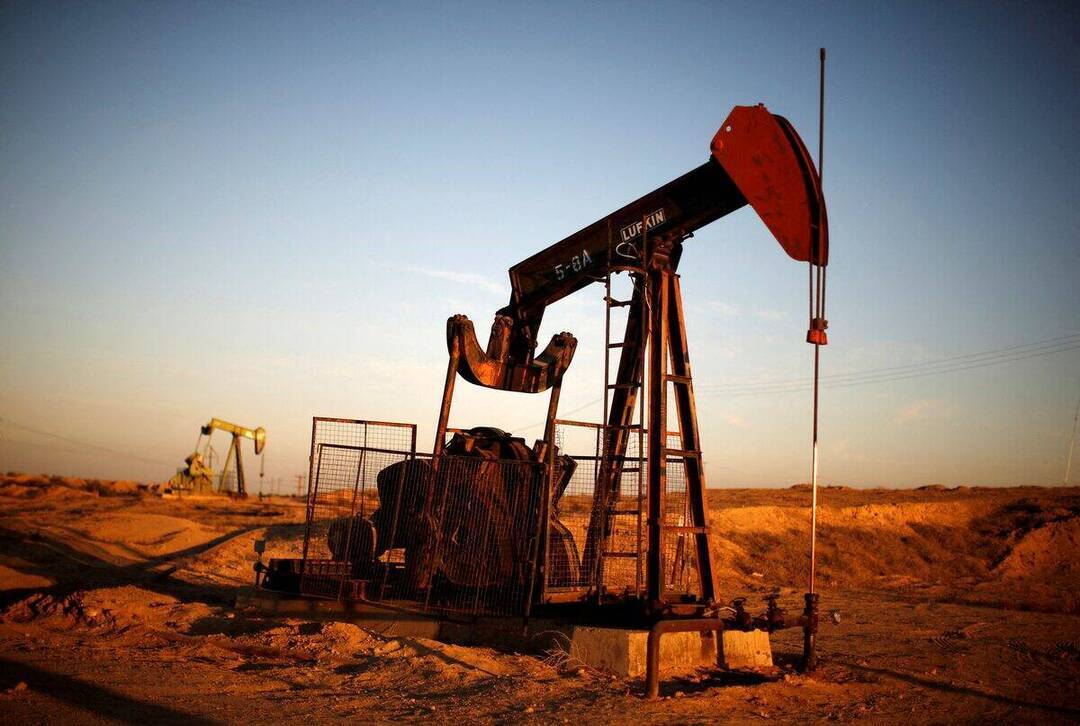
OPEC+ keeps oil output steady amid global turmoil
The Organization of the Petroleum Exporting Countries (OPEC) and its allies, collectively known as OPEC+, made a significant decision on Sunday to maintain their current oil output levels. This move comes at a time of considerable global turmoil, with various factors impacting the oil market. The group, which is responsible for producing approximately half of the world’s oil, chose not to alter their production levels, despite the recent developments in the oil industry.
The OPEC+ meeting, which lasted only 10 minutes, did not reportedly include discussions about Venezuela, a country that holds the world’s largest oil reserves. This is noteworthy, given the recent actions taken by the United States against Venezuela. The US has launched an attack on the country, with the stated intention of addressing the “badly broken” oil infrastructure in Venezuela. Furthermore, the US has announced plans to involve American oil companies in the repair and restoration of Venezuela’s oil production capabilities.
The decision by OPEC+ to maintain their current oil output levels suggests that the group is adopting a cautious approach, given the uncertainty and turmoil in the global oil market. The ongoing conflicts and geopolitical tensions in various parts of the world have created a complex and unpredictable environment, making it challenging for oil producers to make informed decisions about their production levels.
One of the key factors influencing the oil market is the recent attack on Venezuela by the US. This development has significant implications for the global oil supply, as Venezuela is a major oil-producing country. The US has stated that its objective is to restore Venezuela’s oil production capabilities, which have been severely impacted by years of mismanagement and underinvestment. However, the involvement of American oil companies in this process has raised concerns about the potential consequences for the global oil market.
The impact of the US attack on Venezuela on the global oil market is still unclear, but it is likely to have significant repercussions. The potential increase in oil production from Venezuela could lead to a surge in global oil supplies, which could, in turn, put downward pressure on oil prices. On the other hand, the involvement of American oil companies in Venezuela’s oil industry could also lead to increased competition and market share for US oil producers, potentially altering the global oil market dynamics.
The decision by OPEC+ to maintain their current oil output levels is likely a response to the uncertainty and unpredictability of the current market conditions. By keeping their production levels steady, the group is seeking to maintain stability and avoid exacerbating the existing market volatility. This approach is consistent with OPEC+’s long-term strategy of managing oil production to balance the global market and support stable oil prices.
The OPEC+ decision is also likely influenced by the current state of the global economy, which is facing significant challenges. The ongoing COVID-19 pandemic, trade tensions, and geopolitical conflicts have all contributed to a slowdown in global economic growth, which has, in turn, impacted oil demand. By maintaining their current production levels, OPEC+ is seeking to balance the global oil market and avoid contributing to further market volatility.
In conclusion, the decision by OPEC+ to keep oil output steady amid global turmoil reflects the group’s cautious approach to managing the current market conditions. The recent attack on Venezuela by the US and the potential involvement of American oil companies in the country’s oil industry have significant implications for the global oil market. As the situation continues to evolve, it is likely that OPEC+ will remain vigilant and adapt their production levels as necessary to maintain stability and balance in the global oil market.
The next few weeks and months will be crucial in determining the impact of the US attack on Venezuela and the response of OPEC+ to the changing market conditions. As the global oil market continues to navigate these challenging times, it is essential to monitor the developments and adjust to the new reality. One thing is certain, however – the decision by OPEC+ to maintain their current oil output levels is a significant development that will have far-reaching implications for the global oil market.
In the coming days, we can expect to see a range of reactions from various stakeholders, including oil-producing countries, oil companies, and consumers. The impact of the OPEC+ decision will be felt across the globe, and it is essential to stay informed about the latest developments.
As we move forward, it is crucial to consider the potential consequences of the US attack on Venezuela and the involvement of American oil companies in the country’s oil industry. The potential increase in oil production from Venezuela could have significant implications for the global oil market, and it is essential to monitor the situation closely.
In the meantime, the decision by OPEC+ to maintain their current oil output levels provides a sense of stability and predictability in the market. However, as the situation continues to evolve, it is likely that we will see further developments and adjustments in the global oil market.
For now, the focus will be on the implementation of the OPEC+ decision and the response of the market to the new reality. As the global oil market continues to navigate these challenging times, it is essential to stay informed and adapt to the changing conditions.
About the Author