OPEC+ keeps oil output steady amid global turmoil
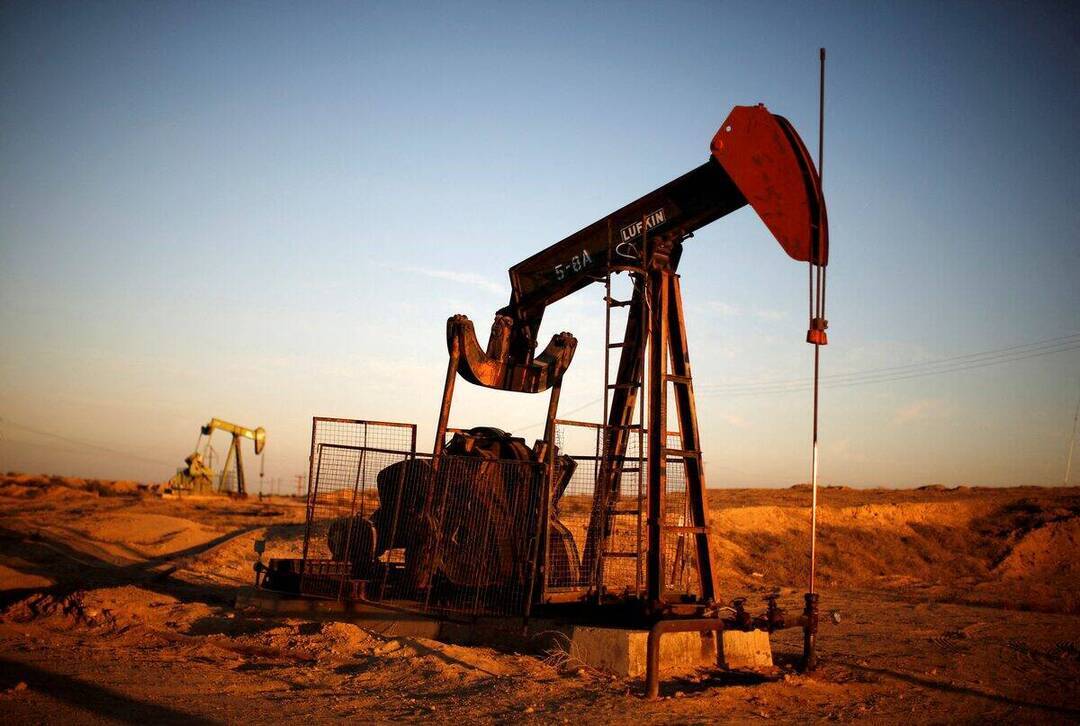
The Organization of the Petroleum Exporting Countries (OPEC) and its allies, collectively known as OPEC+, have decided to maintain their current oil production levels despite the ongoing global turmoil. This decision was made during a brief meeting on Sunday, where the group of eight nations, responsible for producing approximately half of the world’s oil, chose not to alter their output.
The meeting, which reportedly lasted only 10 minutes, did not involve any discussions about Venezuela, a country with the world’s largest oil reserves. This is particularly noteworthy given the recent developments in Venezuela, where the US launched an attack and subsequently announced plans to have US oil companies repair the country’s “badly broken” oil infrastructure. The lack of discussion on Venezuela during the OPEC+ meeting suggests that the group is choosing to focus on maintaining stability in the global oil market, rather than getting entangled in the complexities of the Venezuelan situation.
The decision to keep oil output steady is likely intended to provide a sense of calm and predictability in the market, which has been experiencing significant volatility in recent times. With the global economy still recovering from the aftermath of the pandemic, and geopolitical tensions running high, the last thing the oil market needs is another factor to contend with. By maintaining their current production levels, OPEC+ is effectively choosing to prioritize stability over any potential short-term gains that might be achieved through altering their output.
It’s worth noting that the OPEC+ group has been working together to manage oil production levels since 2016, with the aim of stabilizing the global oil market and supporting the recovery of the industry. The group’s efforts have been largely successful, with oil prices having largely recovered from the lows seen during the pandemic. However, the ongoing global turmoil, including the situation in Venezuela, has introduced new challenges for the group to navigate.
The US attack on Venezuela and the subsequent announcement of plans to repair the country’s oil infrastructure has significant implications for the global oil market. Venezuela has the world’s largest oil reserves, but its oil industry has been in decline for many years due to a combination of factors, including mismanagement, corruption, and a lack of investment. The US move to repair Venezuela’s oil infrastructure could potentially lead to an increase in oil production from the country, which could have a significant impact on the global oil market.
However, it’s unclear at this stage how the situation in Venezuela will unfold, and how it will impact the global oil market. The OPEC+ group’s decision to maintain their current production levels suggests that they are choosing to wait and see how the situation develops, rather than making any preemptive moves. This cautious approach is likely driven by a desire to avoid any actions that could be seen as provocative or destabilizing, and to prioritize the maintenance of stability in the global oil market.
In the short term, the OPEC+ decision to keep oil output steady is likely to provide some support to oil prices, which have been experiencing significant volatility in recent times. The lack of any changes to production levels will likely be seen as a positive development by the market, as it reduces the risk of any significant disruptions to supply. However, the ongoing global turmoil, including the situation in Venezuela, means that the oil market is likely to remain volatile for the foreseeable future.
In conclusion, the OPEC+ decision to maintain their current oil production levels is a significant development, given the ongoing global turmoil. The group’s decision to prioritize stability and predictability in the market is likely to be seen as a positive move, and will provide some support to oil prices in the short term. However, the situation in Venezuela and the potential for increased oil production from the country means that the global oil market is likely to remain volatile for the foreseeable future.
As the situation continues to unfold, it will be important to monitor developments closely, and to assess the potential implications for the global oil market. The OPEC+ group’s decision to maintain their current production levels is just the latest development in a complex and rapidly evolving situation, and it will be important to stay up to date with the latest news and analysis in order to understand the potential implications.
About the Author