OPEC+ keeps oil output steady amid global turmoil
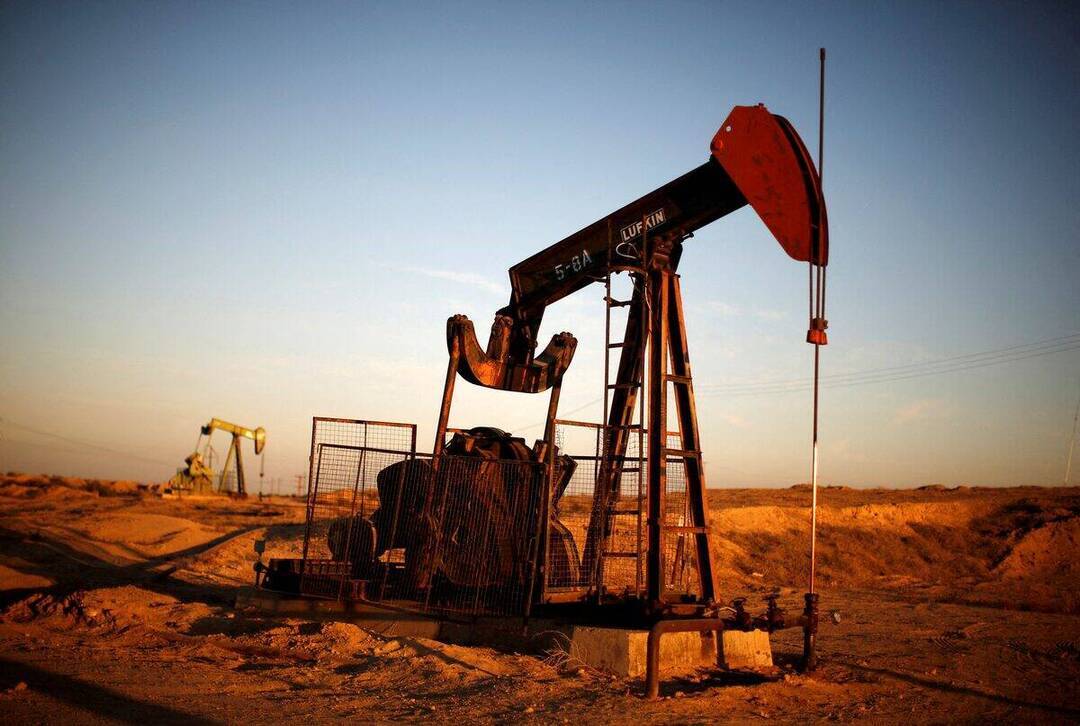
The Organization of the Petroleum Exporting Countries (OPEC) and its allies, collectively known as OPEC+, have decided to maintain their current oil output levels despite the growing turmoil in the global energy market. The decision was made during a brief meeting on Sunday, which lasted only 10 minutes. This move is significant, as OPEC+ is responsible for producing approximately half of the world’s oil, and their production levels have a substantial impact on the global energy market.
The meeting was notable not only for its brevity but also for the lack of discussion on Venezuela, a country that has been at the center of recent geopolitical tensions. Venezuela, which boasts the world’s largest oil reserves, has been facing significant challenges in its oil industry, including a decline in production and a lack of investment. The US recently launched an attack on Venezuela, citing the need to address the country’s “badly broken” oil infrastructure. The US has also announced plans to have American oil companies fix Venezuela’s oil infrastructure, a move that has sparked controversy and raised questions about the motivations behind the US actions.
The decision by OPEC+ to maintain their current oil output levels is likely to have significant implications for the global energy market. With the ongoing turmoil in Venezuela and other OPEC+ member countries, there were expectations that the group might consider increasing production to offset potential losses. However, the decision to keep output steady suggests that OPEC+ is taking a cautious approach, weighing the potential risks and benefits of increasing production in a volatile market.
One of the key factors influencing OPEC+’s decision is likely to be the current state of the global economy. The global economy is facing significant challenges, including rising inflation, slowing growth, and trade tensions. These factors have led to a decrease in demand for oil, which has put downward pressure on prices. By maintaining their current output levels, OPEC+ is likely trying to balance the need to support prices with the risk of overproducing and exacerbating the glut in the market.
Another factor that may have influenced OPEC+’s decision is the ongoing tensions between the US and other major oil-producing countries. The US has been actively seeking to increase its own oil production, which has led to a decline in imports from other countries. This shift in the global energy landscape has created tensions between the US and other major oil-producing countries, including those in OPEC+. By maintaining their current output levels, OPEC+ may be trying to signal that they will not be intimidated by the US’s efforts to increase its own production and will continue to play a significant role in shaping the global energy market.
The lack of discussion on Venezuela during the OPEC+ meeting is also noteworthy. Venezuela’s oil industry has been in decline for several years, due to a combination of factors including corruption, mismanagement, and a lack of investment. The US’s recent attack on Venezuela and plans to fix the country’s oil infrastructure have raised questions about the motivations behind the US actions. Some have suggested that the US is seeking to gain control over Venezuela’s oil reserves, which are the largest in the world. Others have argued that the US is trying to destabilize the Venezuelan government and gain a strategic advantage in the region.
The implications of the US’s actions in Venezuela are far-reaching and complex. On the one hand, the US’s plans to fix Venezuela’s oil infrastructure could potentially lead to an increase in production, which could help to stabilize the global energy market. On the other hand, the US’s actions have sparked controversy and raised questions about the motivations behind them. There are concerns that the US is seeking to exploit Venezuela’s oil reserves for its own gain, rather than working to support the country’s economic development and stability.
In conclusion, the decision by OPEC+ to maintain their current oil output levels is a significant development in the global energy market. The move is likely to have far-reaching implications, from the impact on oil prices to the geopolitical tensions between major oil-producing countries. As the global energy landscape continues to evolve, it is likely that OPEC+ will play a significant role in shaping the market and responding to emerging challenges. The lack of discussion on Venezuela during the meeting is also noteworthy, and it remains to be seen how the situation in Venezuela will unfold and what implications it will have for the global energy market.
About the Author